 Short Span Steel Bridges
AISI and Partners Receive EPA Grant to Enhance Emissions Reporting for Steel Construction Projects
The University of Massachusetts Amherst, the American Iron and Steel Institute (AISI) and the American Institute of Steel Construction (AISC) were selected as a team to receive a grant from the U.S. Environmental Protection Agency (EPA) to enhance clean steel production by helping document emissions intensity of steel and other construction materials.
“Federal roads, bridges, highways and other infrastructure projects use a lot of American steel, which is the cleanest steel in the world. I am proud that AISI is a part of this dynamic team that is developing tools that continue to highlight American steel’s sustainability and set a new standard for transparency in steel manufacturing,” said AISI President and CEO Kevin Dempsey. “This initiative will create a much-needed database that will immensely improve reporting for numerous stakeholders and help reduce environmental impacts.”
The grant program, authorized under the Inflation Reduction Act, will enable the team to develop life cycle inventory and Environmental Product Declaration (EPD) tools that will automatically generate steel product EPDs — making the reporting process more efficient and seamless. The grant will also enable the group to develop an EPD repository, update the steel Product Category Rules for reporting the carbon emissions associated with producing specific steel products; and provide extensive educational outreach to students and design, construction and steel industry professionals. The steel program funding was part of the EPA’s announcement today on the selection of 38 grant recipients across the country, totaling nearly $160 million, to support efforts to report and reduce climate pollution from the manufacturing of construction materials and products. Additional details on the grant can be found here.
Read the Original Press Release
AISI serves as the voice of the American steel industry in the public policy arena and advances the case for steel in the marketplace as the preferred material of choice. AISI’s membership is comprised of integrated and electric arc furnace (EAF) steelmakers reflecting the production of both carbon and stainless steels which are critical to the everyday lives of all Americans — including national security, roads and bridges, the electrical grid, clean energy technologies and the automotive market. AISI also represents nearly 80 associate members who are suppliers to or customers of the steel industry. For more news about steel and its applications, view AISI’s website at www.steel.org. Follow AISI on Facebook, LinkedIn, Twitter (@AISISteel) or Instagram.
Does steel provide a sustainable option for bridges?
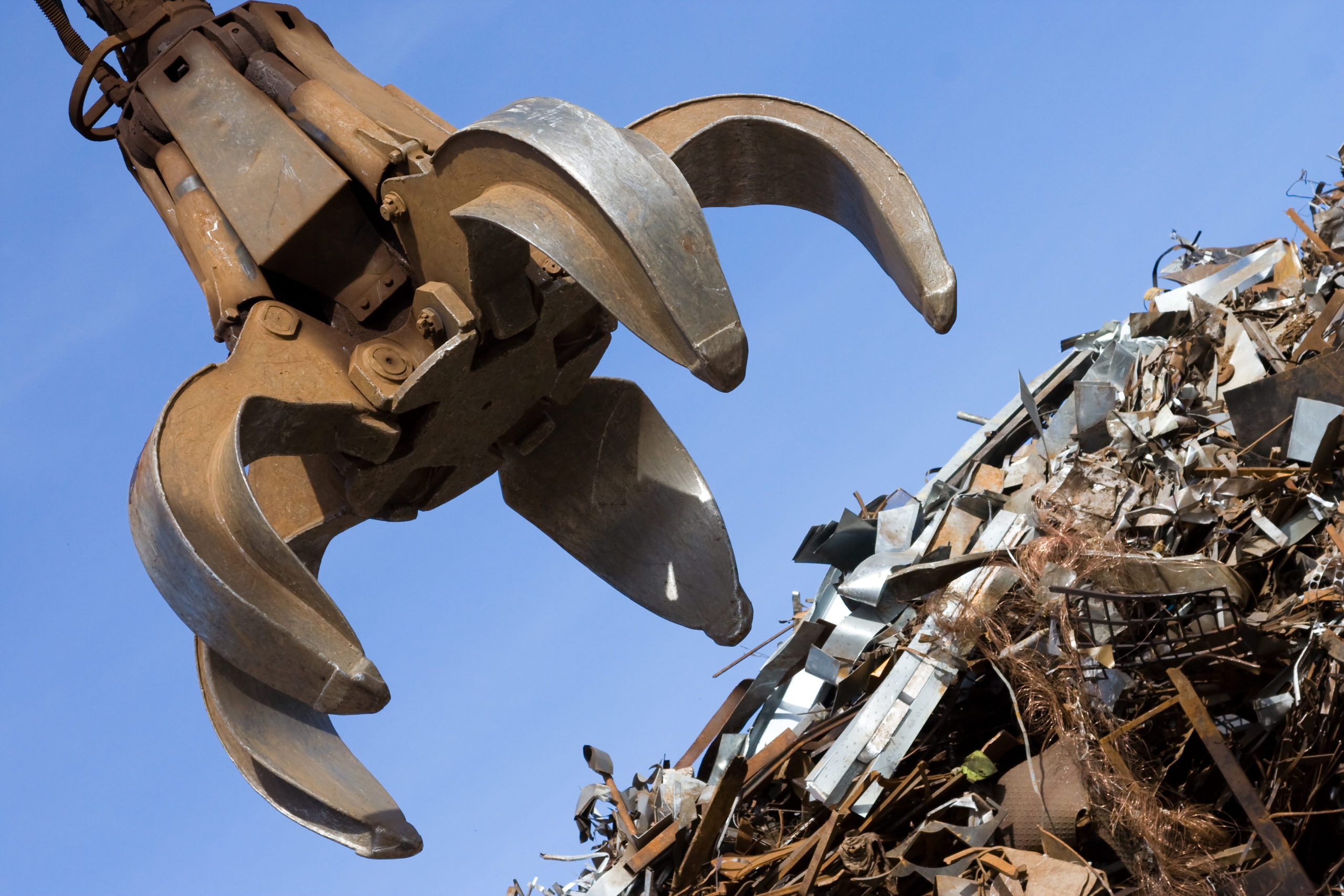
Steel is the most recycled material on the planet. Some of the sustainable advantages of steel include:
- Steel from a disassembled bridge can be used again for another project.
- Steel bridges can last 100 years or more, with minimal maintenance over their long service lives.
- The high strength of steel permits longer spans, which minimizes disruption to underlying habitats.
- Steel is highly resistant to extreme natural disasters such as earthquakes.
- The American steel industry has achieved a 31 percent reduction in energy intensity and a 36 percent reduction in greenhouse gas intensity since 1990.
 News
News
Missouri Steel Bridge Bundle Project Wins Prize Bridge Award
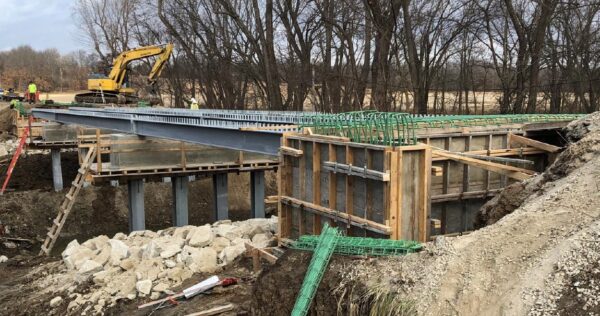
The National Steel Bridge Alliance (NSBA) named Missouri’s FARM Bridges Design/Build Bundle the 2026 Prize Bridge Award winner in the Short Span category. Fabricated by SSSBA member DeLong’s, the project delivered 31 rural bridges across 15 counties using galvanized steel and SDCL design for a 100-year service life.
 Design
NSBA Releases Updated Bolted Splice Spreadsheet 4.01
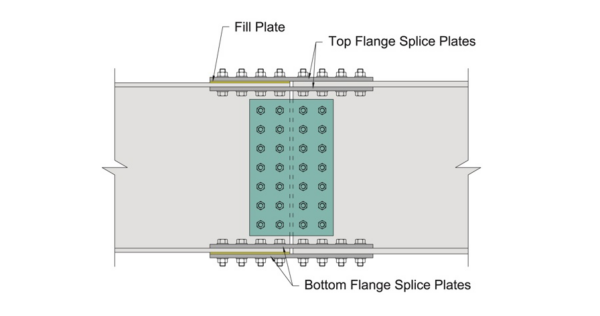
NSBA’s Bolted Splice Spreadsheet 4.01 streamlines connection design with expanded options and updated AASHTO LRFD provisions for faster, more economical solutions.
 News
News
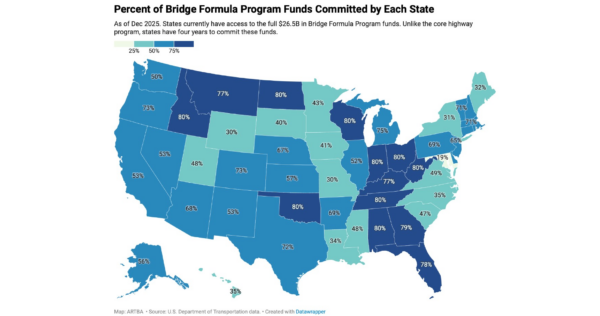
ARTBA Reports $15 Billion Committed Through Bridge Formula Program as Needs Remain
According to an ARTBA analysis, states have committed $15 billion through the bridge formula program, yet one in three bridges still needs work.