 Short Span Steel Bridges
 Hot-Dip Galvanizing Environmental Advantages
In this video (above), Melissa Lindsley, Executive Director of the American Galvanizers Association, provides information on the sustainable benefits of hot-dip galvanized steel.
Excepts from this article provided by the American Galvanizers Association
The production of any building material requires material and energy inputs and emission and waste outputs. The key to sustainable development is to ultimately lower the environmental impact of producing a product, through optimization of manufacturing.
Specifiers who are committed to sustainable development have pushed for more transparency and objective measures of building materials environmental impact in order to select those with less burden to current and future generations.
Hot-dip galvanized (HDG) steel has a number of environmental advantages that minimize the impact to the environment over the life of the project.
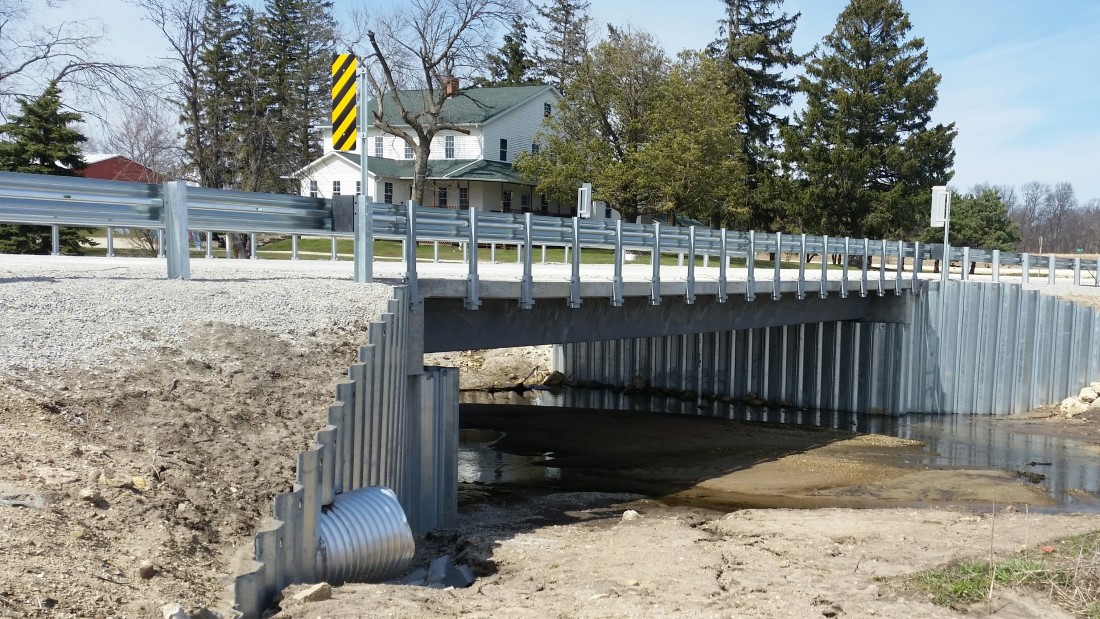
The Amish Sawmill Bridge features the use of hot-dip galvanized steel.
Natural, Abundant Materials
Hot-dip galvanized steel is made from two naturally occurring, abundant elements zinc and iron ore. Iron ore (steel), the base metal, is the 4th most abundant element in the Earth’s crust.
Zinc, which comprises 98% of the hot-dip galvanized coating, is a natural, healthy metal. Zinc exists naturally in the air, water, and soil and is the 24th most abundant element in the Earth’s crust. More than 5.8 million tons of zinc is naturally cycled through the environment by plant and animal life, rainfall, and other natural phenomena.
In addition to being natural and abundant, zinc is essential to life. All living things, from the smallest microorganisms to humans require zinc to live.

The American Galvanizers Association developed a Hot-Dip Galvanized Steel Coating Appearance 5-part video series. This series follows steel samples throughout fabrication and hot-dip galvanizing to show variations in coating appearance and distinctly highlights the causes.
Infinitely Renewable Resources
In addition to being natural and abundant, both zinc and steel are infinitely recyclable without the loss of any physical or chemical properties. This means rather than being down-cycled into other products or uses, zinc and steel can be used as zinc and steel again and again, without compromising their integrity.

The Fore River Temporary Bridge (Massachusetts) was dismantled and repurposed to becomes the New Riviere Cochon Gras Bridge (Haiti). The bridge had more than 50 years of “life” still remaining before significant maintenance would be required.
The 100% recyclability of hot-dip galvanized steel is a great benefit to minimizing environmental impact, but it is only half of the story. The fact the primary components of hot-dip galvanizing, zinc and steel, can be recycled is important, but there are two measures of recyclability that ultimately define the positive contribution to the environment: recycling rate and reclamation rate.
Recycling content is the amount of a product produced from recycled sources. Reclamation rate measures how often a product is actually recycled at the end of its useful life. Steel is the most recycled material in the world, and zinc also has a very high reclamation rate. This leads to a high recycling rate, as the reclaimed zinc and steel is often put right back into use.
The table below shows the Recycling and Reclamation Rates for both zinc and steel:
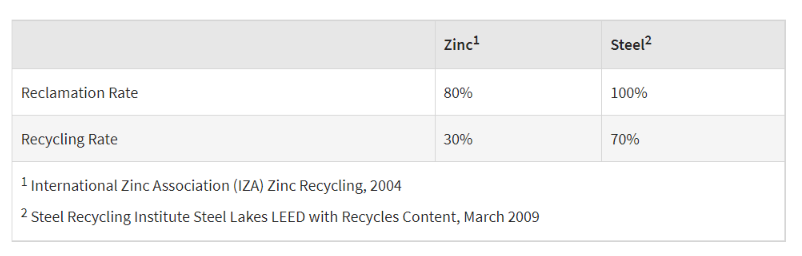
Recycling and Reclamation Rates for zinc and steel
Does steel provide a sustainable option for bridges?
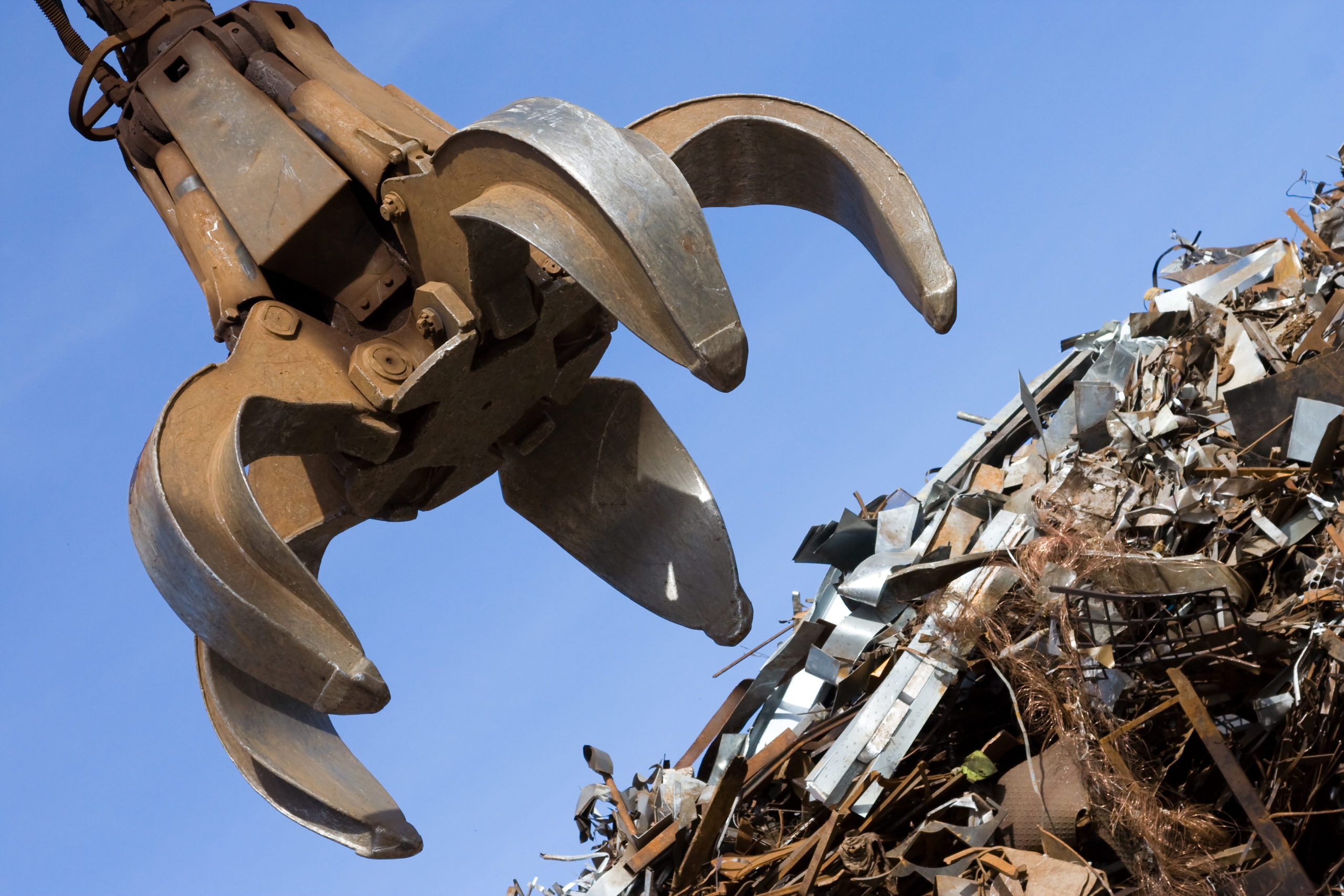
Steel is the most recycled material on the planet. Some of the sustainable advantages of steel include:
- Steel from a disassembled bridge can be used again for another project.
- Steel bridges can last 100 years or more, with minimal maintenance over their long service lives.
- The high strength of steel permits longer spans, which minimizes disruption to underlying habitats.
- Steel is highly resistant to extreme natural disasters such as earthquakes.
- The American steel industry has achieved a 31 percent reduction in energy intensity and a 36 percent reduction in greenhouse gas intensity since 1990.
 News
News
Missouri Steel Bridge Bundle Project Wins Prize Bridge Award
The National Steel Bridge Alliance (NSBA) named Missouri’s FARM Bridges Design/Build Bundle the 2026 Prize Bridge Award winner in the Short Span category. Fabricated by SSSBA member DeLong’s, the project delivered 31 rural bridges across 15 counties using galvanized steel and SDCL design for a 100-year service life.
 Durability & Coatings
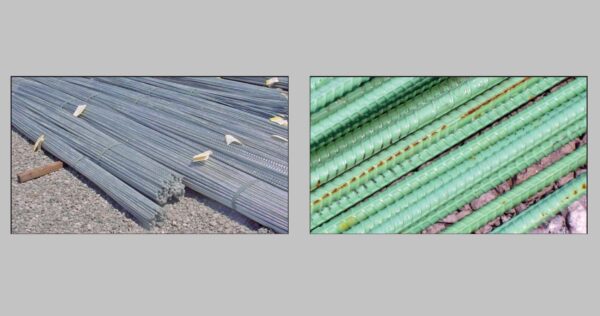
HDG Rebar vs. Epoxy-Coated Rebar
A new publication by the American Galvanizers Association compares the performance of hot-dip galvanized (HDG) rebar and epoxy-coated rebar in reinforced structures.
 Durability & Coatings
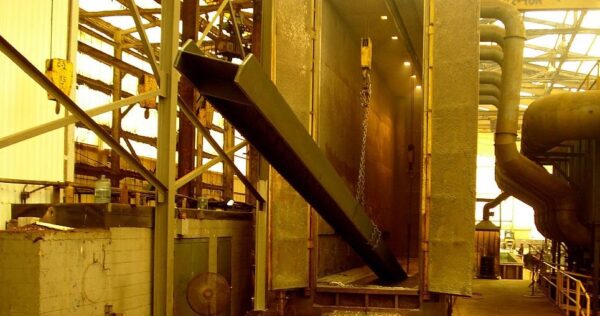
Determining and Overcoming the Size Limitations of Hot-Dip Galvanizing
The American Galvanizers Association explains how kettle size limits can be overcome with strategies like modular design, progressive dipping, and other creative solutions.