 Short Span Steel Bridges
IIJA: Construction Industry Ready to Dive Into Infrastructure Projects
Excerpts from this article provided by Construction Equipment Guide
The ink is still drying on the Infrastructure Investment and Jobs Act (IIJA) as the construction industry awaits bid-letting and Congress turns to the reconciliation budget bill. After a long, hard-fought battle for funding, the industry is ready to get to work on these broad-spectrum infrastructure projects, which will color the national construction picture for years to come.
“America finally has a generation-defining infrastructure bill — and if the reconciliation budget comes through, too, America will begin a building spree larger than what happened during the New Deal,” observed Brookings Institution.
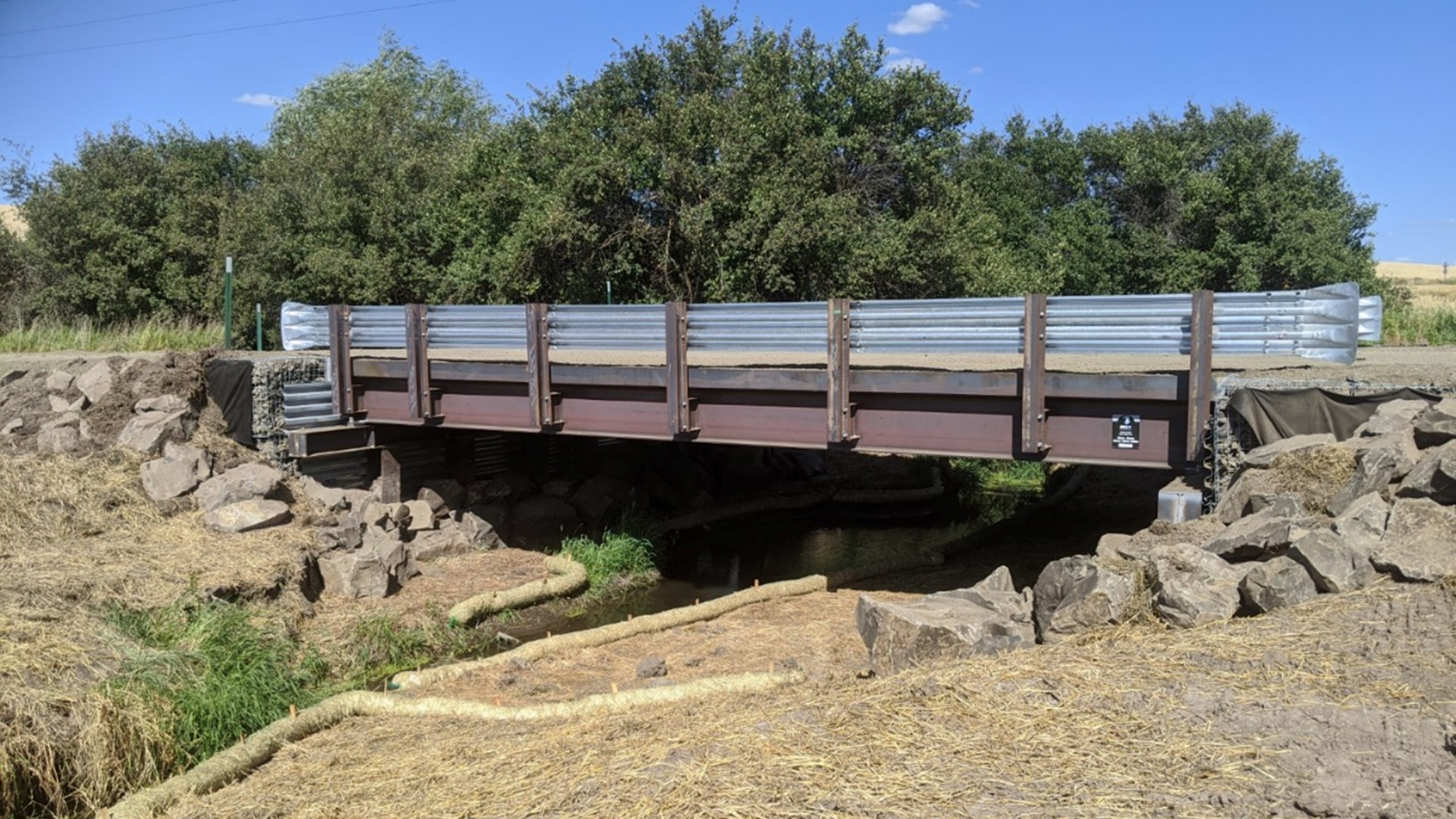
Whitman County, Washington, saved 32 percent by using a steel superstructure instead of concrete.
It’s “worth pausing to consider” the enormity of the total investment if both proposals become law, said the think-tank: The current House reconciliation version proposes roughly $500 billion in new infrastructure spending over 10 years, the organization noted.
“Combined with IIJA, the federal government could be spending $160 billion above baseline for the next five years. That would push federal spending above New Deal investments in infrastructure — as measured by federal spending as a percentage of GDP — but likely to fall short of the historic federal peak around the late 1970s.”
After non-stop lobbying for a broad infrastructure bill, the construction industry’s reaction to its signing was enthusiastic but cautious. ARTBA dubbed the IIJA “the most significant measure in more than 50 years to meaningfully address the condition and performance of the U.S. transportation network.”
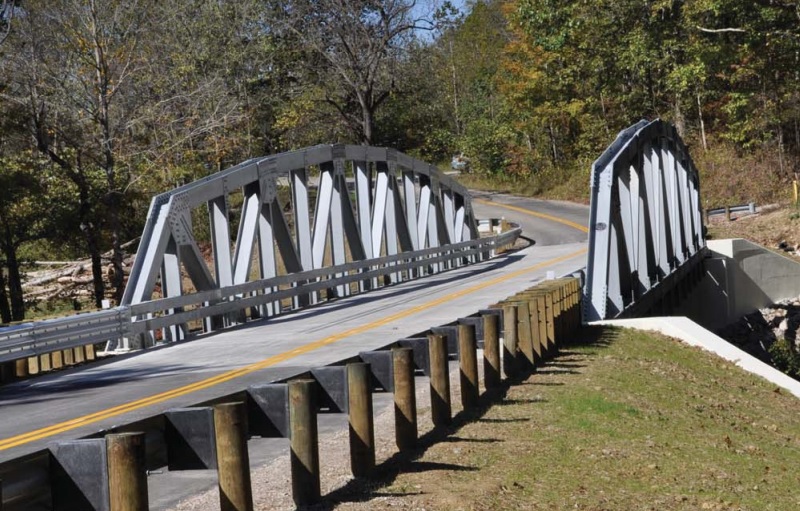
Truss bridges are one of the oldest bridge types in America. Virtually anywhere that a bridge is needed, a truss bridge can do the job.
Bill Recognizes the Need for Local Decision Making
The IIJA is not another stimulus effort; it represents a generational shift in how and what types of projects get done, noted Brookings. Federal agencies, including DOT, DOE and EPA, have to oversee the surge in funding, including administering new grants and designing new programs.
“States and localities, from transportation departments to water utilities, have to identify and execute needed projects on the ground. And this federal, state and local coordination all comes amid continued challenges overseeing other expanded funding from the American Rescue Plan earlier this year,” said Brookings.
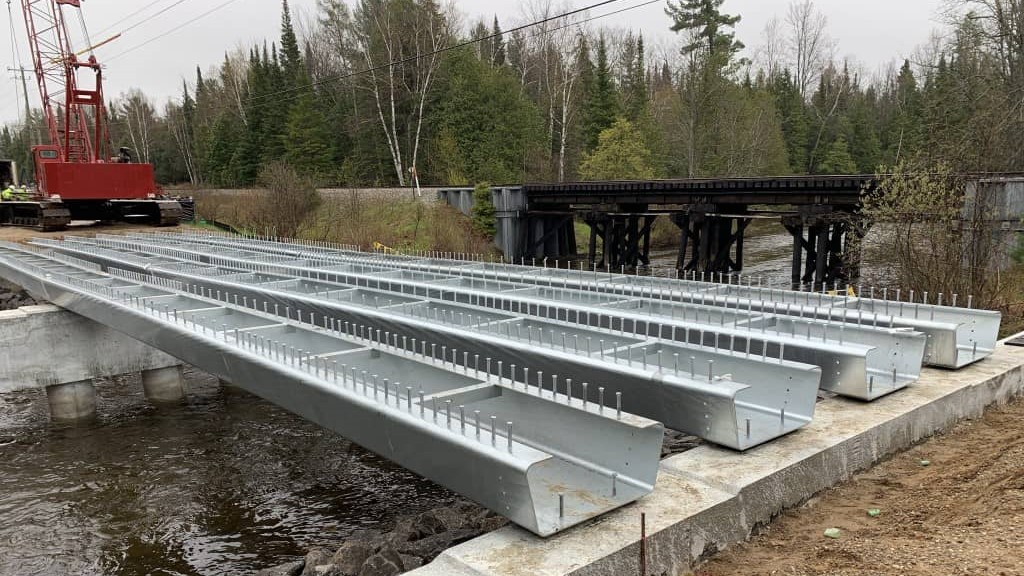
The Michigan DOT selected steel press-brake tub girders (PBTG) for a 19-bridge bundling project. PBTG can last 100 years or more, with minimal maintenance over their long service lives.
The types of projects pursued, and the programs channeling resources to projects, will dictate the pace at which funds reach their targets, noted Brookings. State-of-good-repair projects obviously happen faster than new system expansions.
“From roads and bridges to better protecting communities against natural disasters to modernizing our water infrastructure network, this new law will deliver significant upgrades in every state and benefit every person,” he said. “The commitment of $550 billion in new federal spending over five years represents a generational improvement that still recognizes the need for local decision-making.”
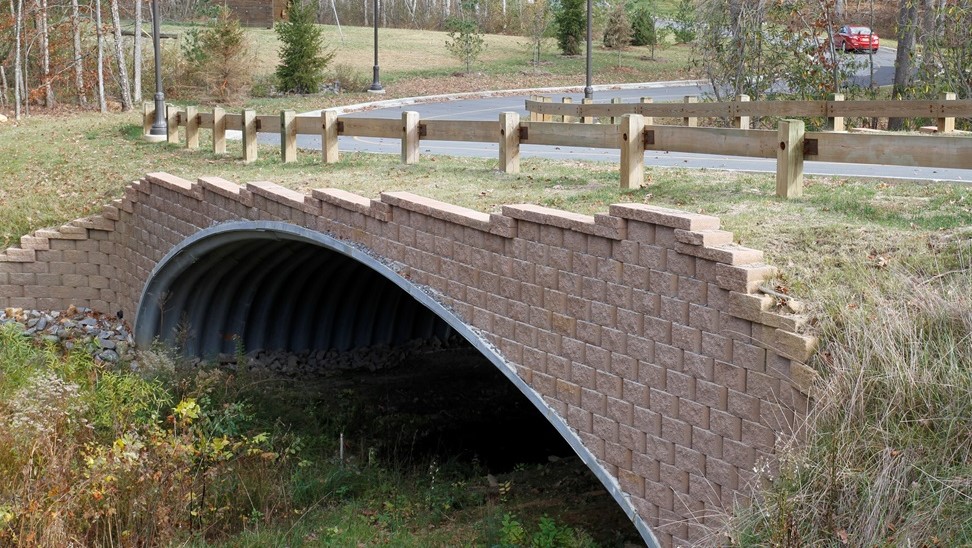
Buried bridges provide a low installed cost compared to other options, often less than half the cost of a typical bridge. Structures may be installed in days and often without disruption.
Six Priorities of IIJA
The American Association of State Highway and Transportation Officials (AASHTO) listed six priorities the Biden administration expects to follow during the legislation’s implementation:
- Invest public dollars efficiently, avoid waste and focus on measurable outcomes for the American people;
- Buy American and increase the competitiveness of the U.S. economy, especially via “Made-in-America” purchasing requirements, while also bolstering domestic manufacturing and manufacturing supply chains;
- Create good-paying job opportunities for Americans by focusing on prevailing wages and the free and fair chance to join a union;
- Invest public dollars equitably, including through the “Justice40 Initiative,” which seeks to make 40 percent of the overall benefits from federal investments in climate and clean energy flow to disadvantaged communities;
- Build resilient infrastructure that can withstand the impacts of climate change and helps combat the climate crisis; and
- Effectively coordinate with state, local, tribal and territorial governments in implementing IIJA’s critical investments.
Read the full article from Construction Equipment Guide
Does steel provide a sustainable option for bridges?
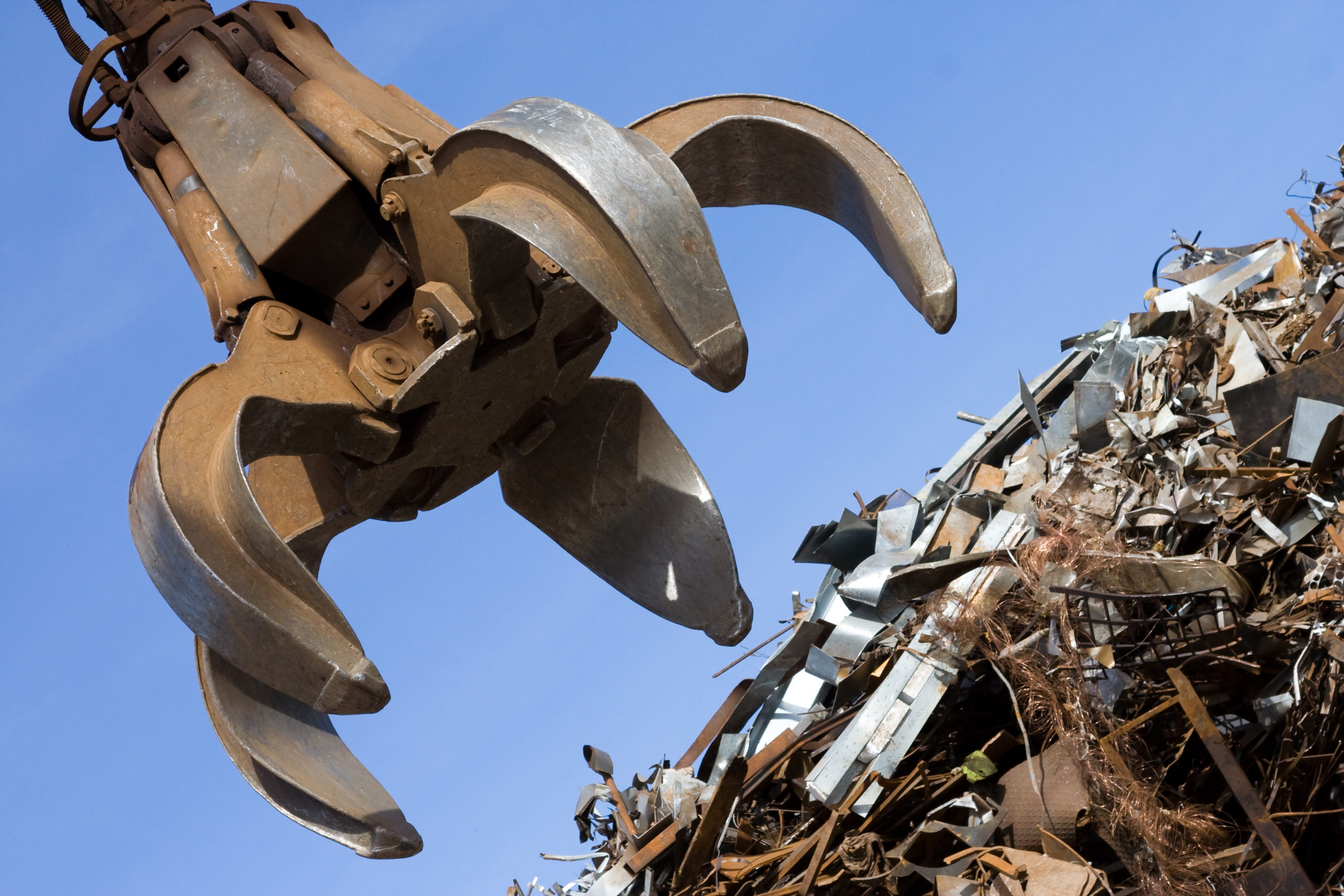
Steel is the most recycled material on the planet. Some of the sustainable advantages of steel include:
- Steel from a disassembled bridge can be used again for another project.
- Steel bridges can last 100 years or more, with minimal maintenance over their long service lives.
- The high strength of steel permits longer spans, which minimizes disruption to underlying habitats.
- Steel is highly resistant to extreme natural disasters such as earthquakes.
- The American steel industry has achieved a 31 percent reduction in energy intensity and a 36 percent reduction in greenhouse gas intensity since 1990.
 News
News
AISI Corrosion Advisory Group to Meet October 27 in Ohio
The AISI Corrosion Advisory Group (CAG) will meet October 27 at the Sherwin-Williams Research & Development Center in Ohio. Discussions will focus on corrosion research, coatings, steel durability and related industry needs.
 Events
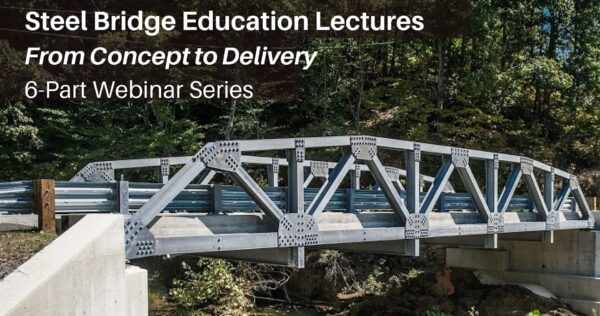
Free 6-Part Live Lecture Series: Steel Bridge Design — From Concept to Delivery (Starts Sept. 7)
SSSBA and the University of Wyoming are offering a free six-part lecture series, September 7–23. The series covers key aspects of steel bridge design, fabrication and construction, with live and recorded participation available.
 Design
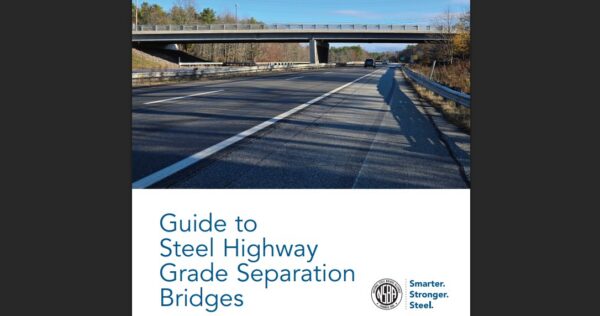
NSBA Releases Guide to Steel Highway Grade Separation Bridges
NSBA has released the new Guide to Steel Highway Grade Separation Bridges, a comprehensive industry resource designed to support the planning, design and construction of steel highway overpass structures.