 Short Span Steel Bridges
Investing in Bridge Infrastructure: We Are Only Getting Started
Photo: Construction workers set a Press-Brake-Formed Tub Girder (PBFTG) for a bridge replacement in Barron County, WI. Photo Credit: Mark Servi, Barron County, WI
According to the U.S. Department of Transportation (USDOT), the number of bridges considered to be in “poor” condition has declined by 560 as compared to the 2022 yearly total. Based on USDOT’s National Bridge Inventory database, 222,000 bridges still need major repair work or replacement, equating to 6,100 miles of structures.
While the number of bridges in this condition is still alarming, the statistical analysis shows that we are making progress with the country’s recent fiscal investments for improving our bridge infrastructure.
However, we must not become stagnant. We must continue to focus our efforts on securing funding that will improve our bridge infrastructure and allow us to invest in research and development that identifies new sustainable materials and bridge designs for the future.
Steel Bridge Innovations
Focusing on bridge rehabilitation is critical, but we risk taking two steps backward if we don’t also consider a holistic approach to bridge design. The USDOT’s Research, Development and Technology Strategic Plan allocates five billion dollars to support innovative efforts. We should use these funds to implement current best practices, including:
- Tools like eSPAN140 that provide bridge professionals with optimal and cost-effective preliminary designs for short span steel bridges.
- Grants that support innovation, like the Accelerated Innovation Deployment (AID) Demonstration grant awarded to the Ohio Department of Transportation and Muskingum County to replace a bridge using steel press-brake-formed tub girder (PBFTG) technology with a Sandwich Plate System (SPS) deck.
- New steel grades and coating technologies that can extend the life of a bridge to over 100 years, including advances in weathering steel, A709-50CR, paint, metalizing and galvanized coating protection systems.
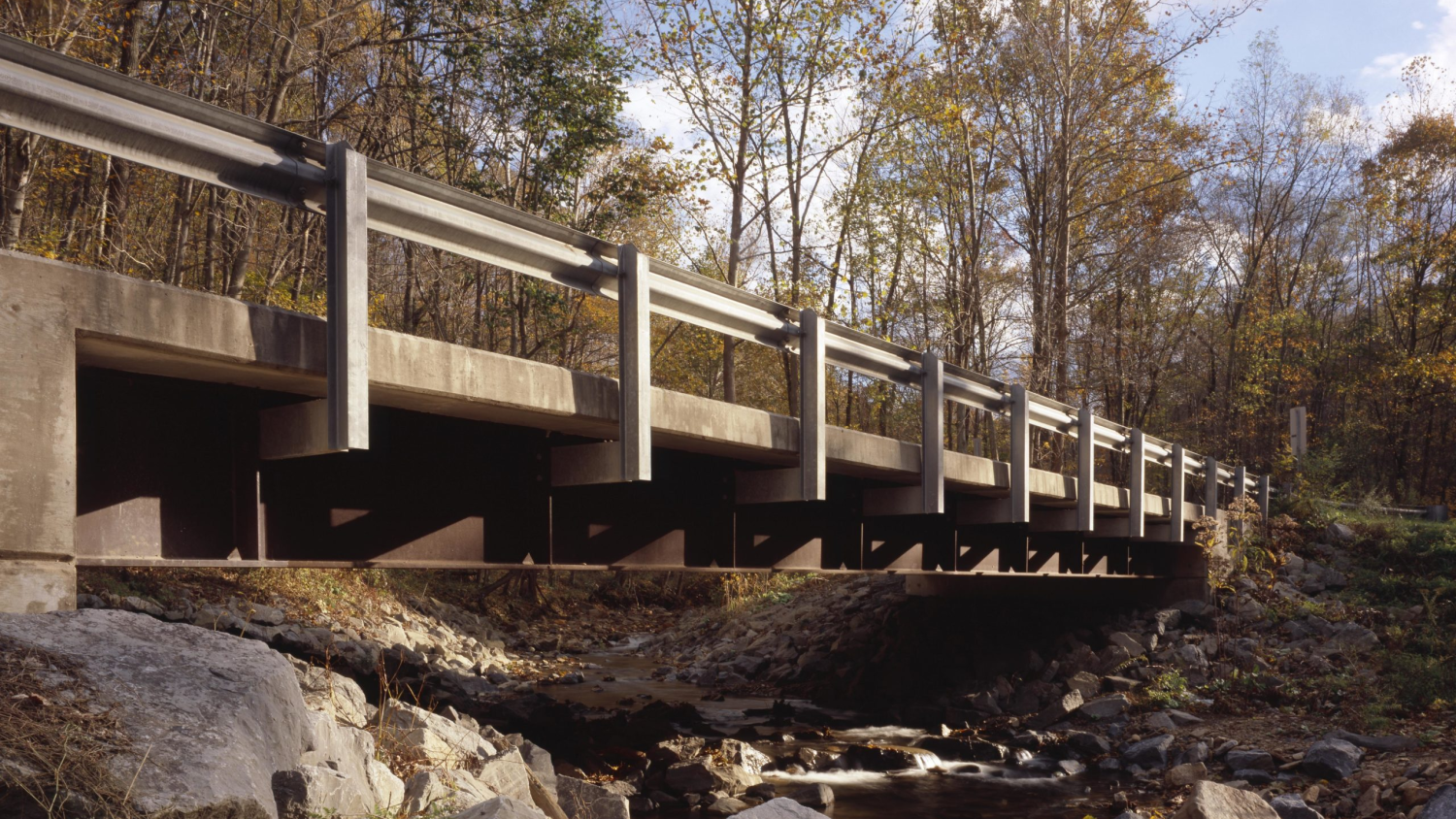
Uncoated weathering steel is a widely used corrosion protection system today and performs well if detailed properly and used in the proper location and environment.
Sustainability Benefits
The federal funding initiatives resulting from the Bipartisan Infrastructure Law require bridge owners to demonstrate long-term, sustainable benefits for their projects.
Steel is a resilient material and the most recycled material on the planet. Other sustainable benefits include:
- Steel is 100 percent recyclable, which means it can be recycled into the same material of the same quality again and again. When you buy steel, you are buying recycled.
- Steel bridges can last 100 years or more, with minimal maintenance over their long service lives.
- The high strength of steel permits longer bridge spans, which minimizes disruption to underlying habitats.
- Steel is highly resistant to extreme natural disasters such as earthquakes.
- Producing a ton of steel today in the U.S. requires less than half the energy that was needed to produce a ton of steel 40 years ago, resulting in a 50 percent reduction in greenhouse gas emissions.
Bridge owners seeking sustainable, cost-effective and long-lasting solutions should consider steel for their short span bridge projects.
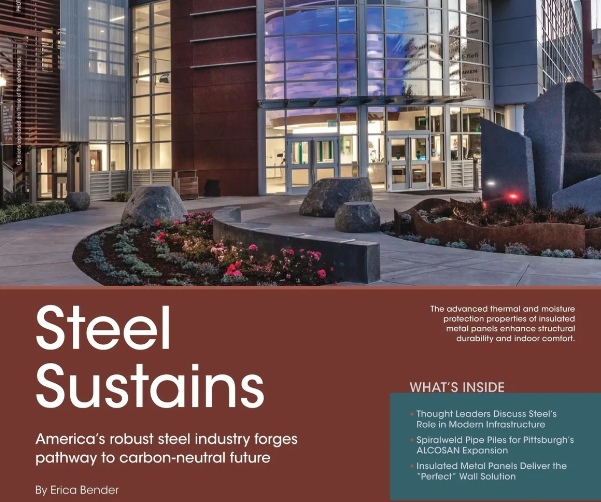
Industry thought leaders discuss key trends and innovations in steel construction in the August 22, 2022 edition of Engineering News-Record.
Tools to Convert Plans Into Projects
The American steel industry is able to meet the demand challenges and opportunities generated through the Bipartisan Infrastructure Law.
The Short Span Steel Bridge Alliance (SSSBA) provides tools, expertise and educational resources to convert plans into projects.
For more information, please explore the SSSBA website or contact me with any questions:
Dustin Young
Director Business Development
American Iron and Steel Institute
dyoung@steel.org
 Design
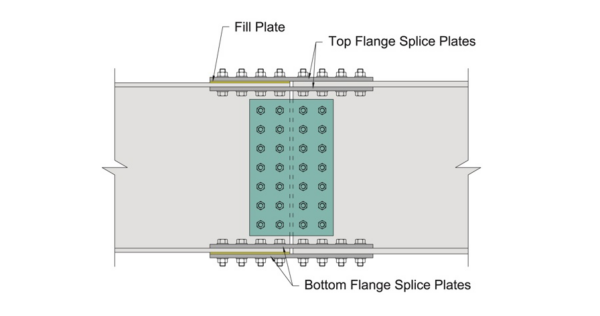
NSBA Releases Updated Bolted Splice Spreadsheet 4.01
NSBA’s Bolted Splice Spreadsheet 4.01 streamlines connection design with expanded options and updated AASHTO LRFD provisions for faster, more economical solutions.
 News
News
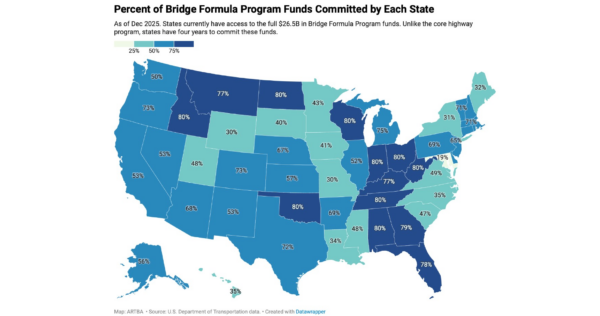
ARTBA Reports $15 Billion Committed Through Bridge Formula Program as Needs Remain
According to an ARTBA analysis, states have committed $15 billion through the bridge formula program, yet one in three bridges still needs work.
 News
News
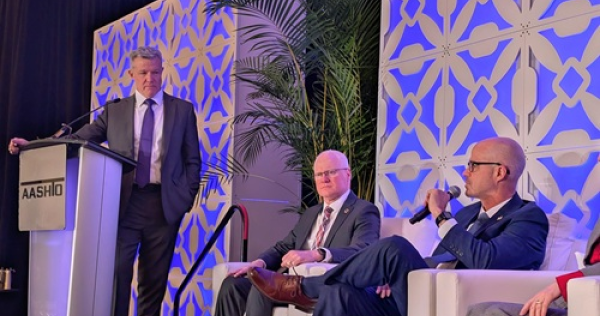
State DOT CEOs Discuss Key Reauthorization Funding Issues, Investment in Local Programs
AASHTO recently held its 2026 Washington Briefing in D.C., featuring a panel of state DOT leaders discussing critical surface transportation funding and reauthorization issues.