 Short Span Steel Bridges
 County Saves $30,000 Using a Prefabricated Steel Bridge Instead of Concrete
In 2021, Whitman County, Washington installed a prefabricated steel bridge using a local county crew. The steel bridge, manufactured by TrueNorth Steel, provided a $30,000 cost savings over a concrete structure bid for the same project.
Whitman County Saves with County Crews
Whitman County, located in southeastern Washington, has a population of over 44,000 people (2010 Census) and a land area of 2,159 square miles. It is the second largest wheat-producing county in the nation and home to the Washington State University Cougars.
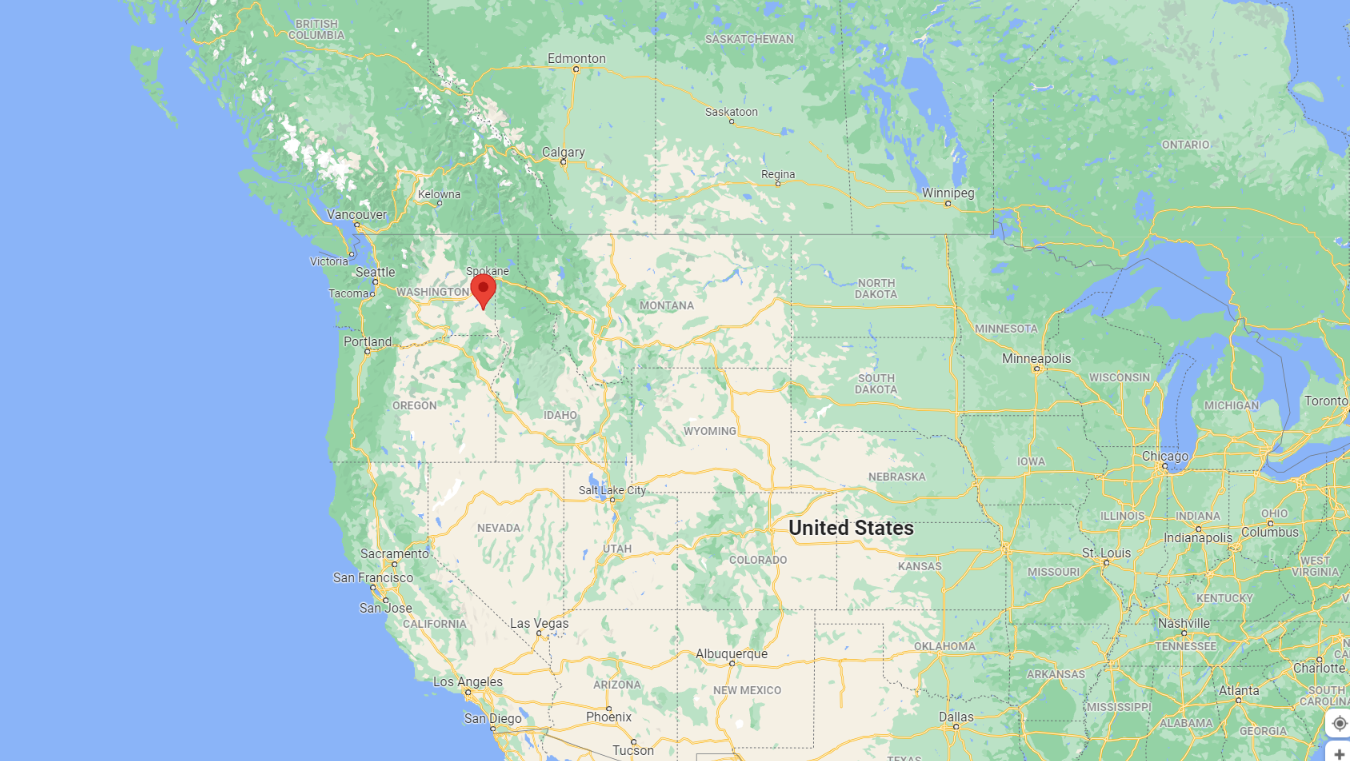
Whitman County is located in southeastern Washington, and has a population of over 44,000 people.
Mark Storey, P.E., Director/County Engineer for the Whitman County Public Works, and his crew take care of 1,900 miles of roads and over 300 bridges and structures. In a typical year, Whitman County replaces one or two bridges with local county crews.
“I think we can build a bridge for about half of what the contracting community can do,” says Storey.
Steel Bid $30,000 Less Than Concrete
The Belmont Bridge in Whitman County was a replacement project for a wood structure (22 feet wide, 20 feet long) located in a flood plain. The stringers of the original wood bridge were experiencing some decay and a new foundation was needed to raise the structure out of the flood plain.
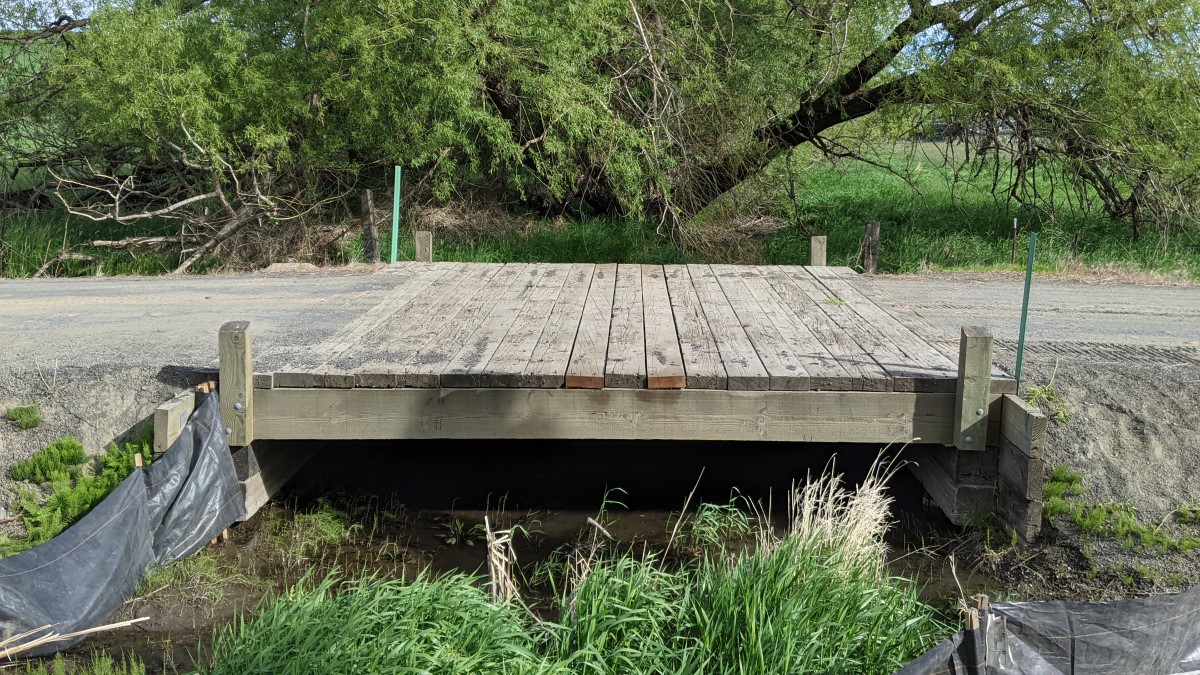
The stringers of the wood bridge were experiencing some decay and a new foundation was needed.
Whitman County obtained separate bids for both concrete and steel superstructures. The bid for the steel superstructure was more than $30,000 less than the concrete structure.
“So, that’s a huge difference in cost,” says Storey. “That is just $30,000 I get to spend on the next bridge.”
Project Completed in Only Four Weeks
Cory Claussen, Bridge Sales Manager for TrueNorth Steel, worked with Whitman County on the project. According to Cory, the steel replacement structure featured a prefabricated bridge from TrueNorth Steel. The dimensions of the bridge are 28 feet wide and 32 feet long, with HL-93 loading.
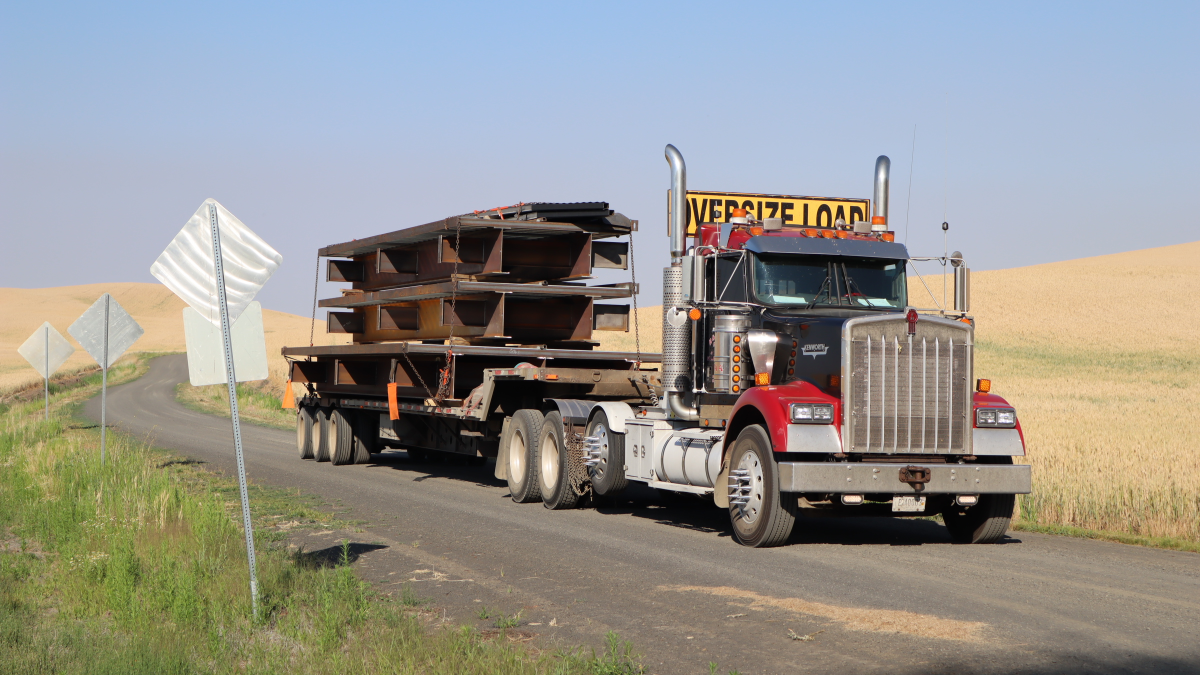
The complete bridge was shipped on one truck, with a configuration of one 12-foot module on the bottom and two 8-foot modules on top.
The complete bridge was shipped on one truck, with a configuration of one 12-foot module on the bottom and two 8-foot modules on top. The sill plate assemblies and steel backwalls were also shipped on the same truck.
Weathering steel was used for the fabrication and construction of the beams, diaphragms and guardrail struts and posts.
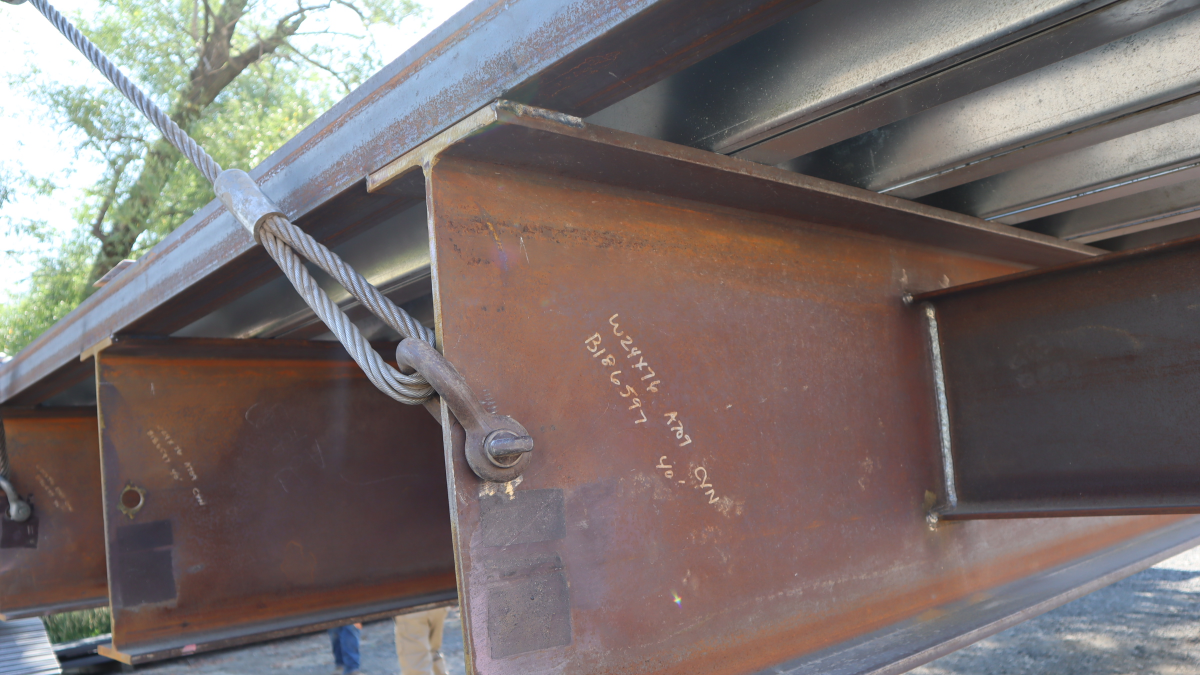
Weathering steel was used for the beams, diaphragms and guardrail struts and posts – galvanized corrugated steel was used for the bridge deck.
A standard corrugated 12-inch by 4¼inch galvanized deck was installed over the beams. Lifting eyes were included on the bridge structure for simple handling.
For the substructure, steel piles were driven approximately 16½ feet into the ground. Each side of the bridge contained five H-piles to support the structure. Prefabricated steel backwalls and steel front plates from TrueNorth Steel were used to support the bridge.
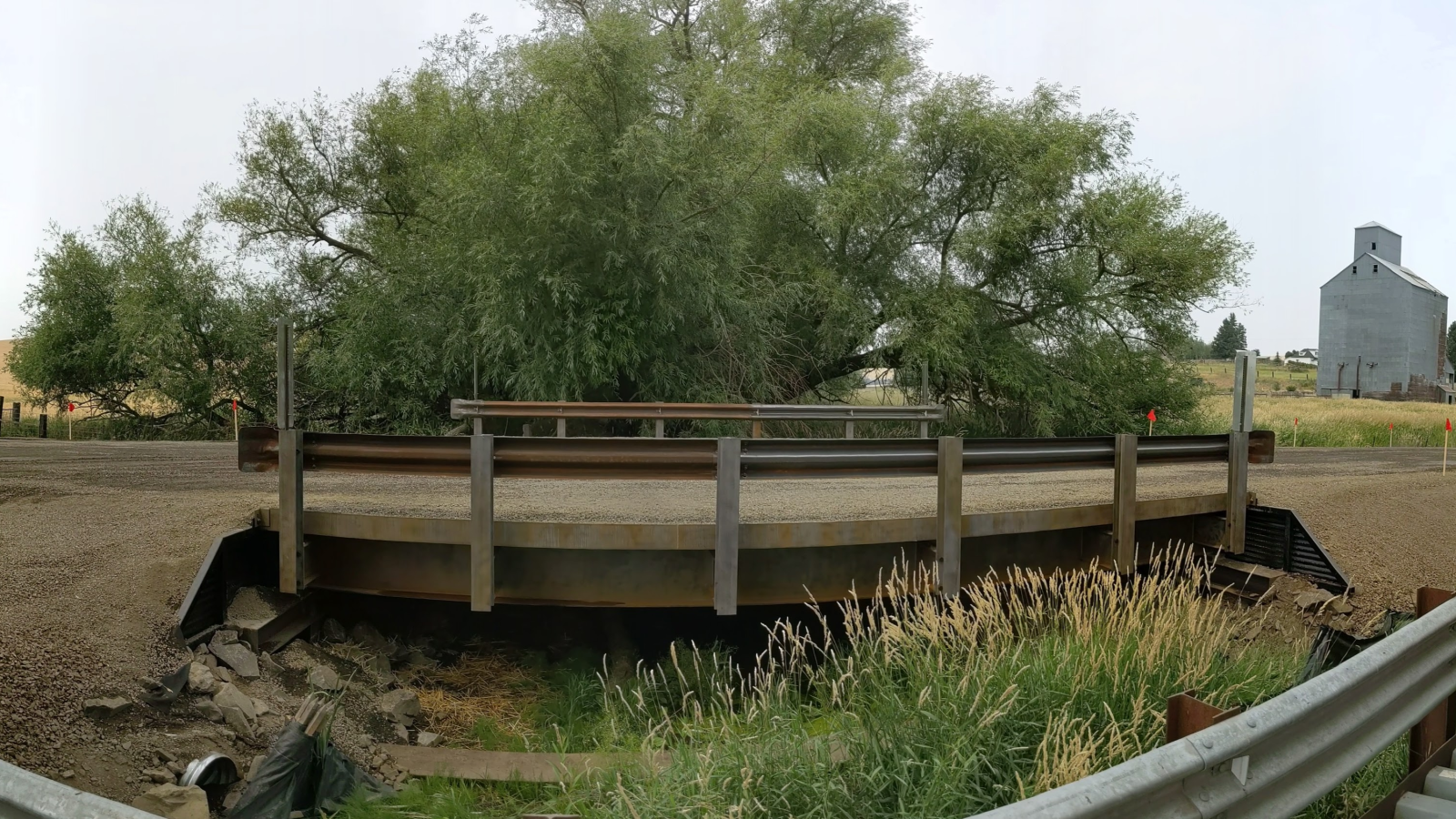
From start to finish, the project took about four weeks to complete.
The project took about four weeks to complete, including the time required to build up to the existing road and remove the temporary bridge.
Project References
Fabricator
Cory Claussen
Bridge Sales Manager
TrueNorth Steel
406.370-2548
cory.claussen@truenorthsteel.com
https://truenorthsteel.com/
Owner
Mark Storey, PE
Director/County Engineer
Whitman County Public Works
Colfax, WA
509-397-5204
mark.storey@whitmancounty.net
 Pedestrian
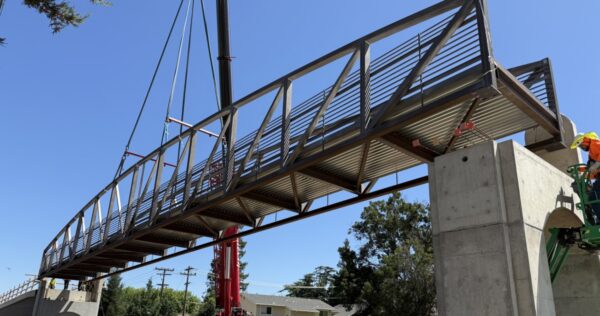
Steel Pedestrian Bridge Provides Rapid Trail Connection in Modesto, California
SSSBA member Contech manufactured a three-span prefabricated weathering steel pedestrian bridge for the Virginia Corridor Trail in Modesto, California. The 345-foot bridge was assembled and erected in just two days, minimizing disruption to traffic during construction.
 Buried Bridge
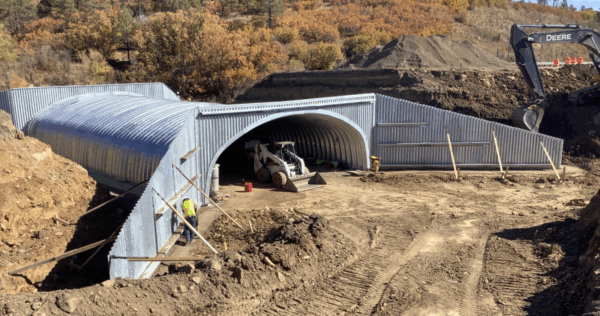
Buried Steel Bridge Protects Wildlife and Motorists in New Mexico DOT Project
To improve safety and preserve wildlife corridors, the New Mexico DOT installed two steel structural plate buried bridges beneath I-25 at Raton Pass. Supplied by SSSBA member Contech, the crossings offer a durable, low-maintenance solution for both transportation and conservation.
 News
News
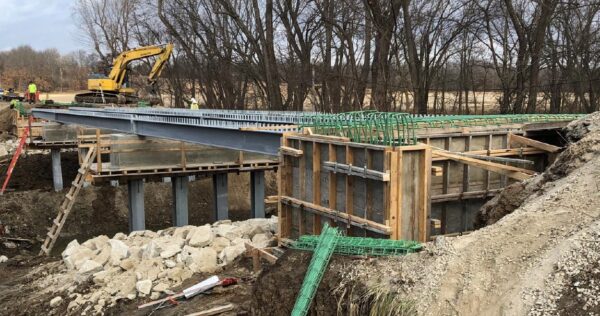
Missouri Steel Bridge Bundle Project Wins Prize Bridge Award
The National Steel Bridge Alliance (NSBA) named Missouri’s FARM Bridges Design/Build Bundle the 2026 Prize Bridge Award winner in the Short Span category. Fabricated by SSSBA member DeLong’s, the project delivered 31 rural bridges across 15 counties using galvanized steel and SDCL design for a 100-year service life.