 Short Span Steel Bridges
AISC Accepting Applications for Undergraduate Research Fellowship Program
The following excerpt provided by the American Institute of Steel Construction.
The AISC Ernest J. McCartney/B&B Welding Company, Inc. Undergraduate Research Fellowship Program provides funding to undergraduate students working under the direction of a Faculty Sponsor (or Faculty Sponsors) to research structural steel design and construction topics for either the full academic year or one term (semester or quarter). The research conducted by the Undergraduate Research Fellowship recipient can be done as a standalone project, be part of a larger research project conducted by the Faculty Sponsor or other University Faculty, and can also be tied to research AISC is funding at the student’s university or elsewhere.
Student Requirements
For students, this is an opportunity to work independently and actively participate in research to develop a better understanding of steel design and construction. This experience may open opportunities for Master’s or PhD work or strengthen a resume for post-graduate industry positions.
The following are the basic requirements for the undergraduate student applicant:
- Applicants must be undergraduate students enrolled at a U.S. university.
- Applicants must be full-time or part-time students during the award term.
- Applicants must have the support of a faculty sponsor at the time of application.
Faculty Requirements
For Faculty Sponsors, the fellowship supports an undergraduate student to assist in their research and may attract an outstanding undergraduate student to attend graduate school to continue with related research.
Faculty Sponsors act as mentors and provide technical oversight to an Undergraduate Research Fellowship recipient. They are also pivotal in assisting Undergraduate Research Fellowship recipients in making the transition from classroom learning to real-world applications. The Faculty Sponsor will also encourage close interaction between a Fellowship recipient, other faculty, and other research personnel to allow the recipient exposure to research processes, methodologies, and higher levels of comprehension of complex topics.
In consideration of the above general description, the Faculty Sponsor is expected to partake in the following activities as part of the Fellowship program:
- Hold regular meetings with the Fellowship recipient to help guide their research activities and ensure a timely completion of the work scope.
- Provide the resources necessary to conduct the proposed research activities.
- Encourage the student to attend available training and other learning activities offered through campus resources.
- Review all Fellowship deliverables prior to submission to AISC.
Program Schedule
Applications for the 2024 program are now live, and will remain open until the deadline on Friday, April 26.
Applicants will be notified by Friday, May 24, whether they were selected for the program. AISC expects the Undergraduate Fellowship Recipient to commit to 10-20 hours per week of work on their research topic during the award period of the Fellowship. AISC’s Director of Research will assist the Fellowship recipient as needed in scheduling the kickoff virtual meeting and midterm progress virtual meeting (both described previously).
The Fellowship Award amounts for 2024-2025 are:
- $8,000 for projects spanning a full academic year (2 semesters or 3 quarters), or
- $4,000 for projects spanning a single semester (summer, fall, or spring).
Evaluation Criteria and Topics of Interest
AISC along with a select subset from its Committee on Research will evaluate submitted applications for the Fellowship Program and choose two recipients. The evaluation criteria for the Undergraduate Research Fellowship program is reflected in the application form. These criteria can be summarized as:
- Benefits to the Undergraduate Applicant: The applicant should clearly state how receiving the Fellowship will benefit them in their undergraduate studies and their potential future career aspirations
- Industry Relevance: The relevance of the proposed topic and potential benefit to the structural steel design and construction community
- Clearly Stated Goals and Objectives: The applicant should clearly state the goals and objectives of their proposed research while demonstrating an understanding of the “big picture” reasons for their proposed work
- Research Scope: Scope needs to be described clearly and should be adequate and achievable in the allotted timeframe to address the proposed topic
Application
To submit an application, please use this link.
Additional Information
To view the original article with additional information, please use the following link.
Does steel provide a sustainable option for bridges?
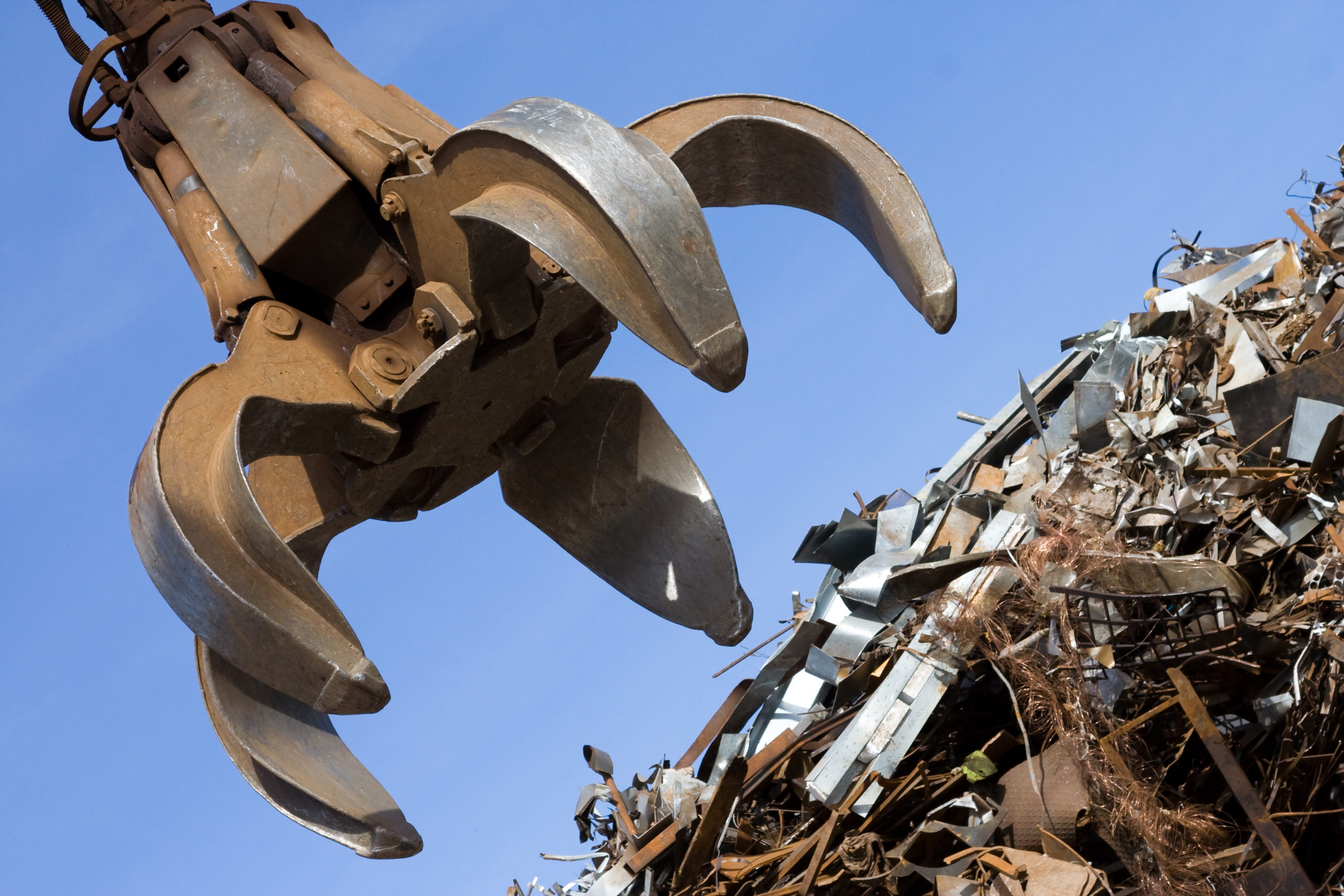
Steel is the most recycled material on the planet. Some of the sustainable advantages of steel include:
- Steel from a disassembled bridge can be used again for another project.
- Steel bridges can last 100 years or more, with minimal maintenance over their long service lives.
- The high strength of steel permits longer spans, which minimizes disruption to underlying habitats.
- Steel is highly resistant to extreme natural disasters such as earthquakes.
- The American steel industry has achieved a 31 percent reduction in energy intensity and a 36 percent reduction in greenhouse gas intensity since 1990.
 News
News
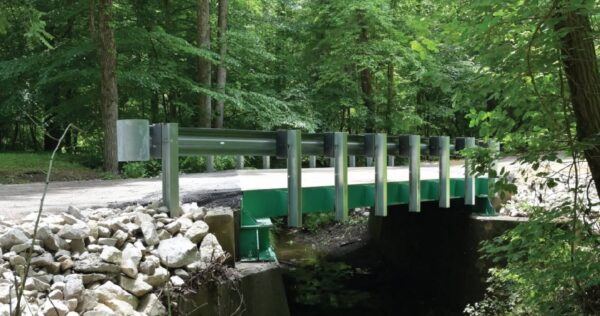
WV DOT Completes Fast-Track Bridge Project with Steel
WV DOT completed a fast-track bridge project using salvaged steel beams from a nearby overpass to restore a 20-foot bridge in West Virginia.
 Buried Bridge
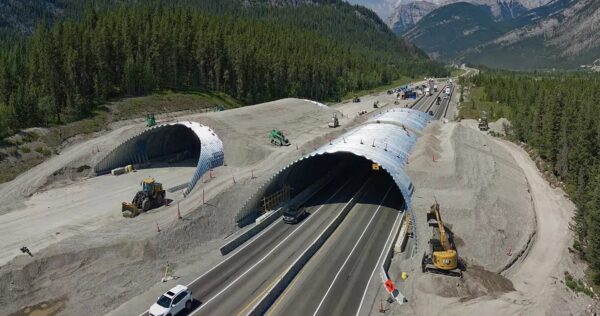
Corrugated Steel Animal Overpass Reduces Wildlife-Vehicle Collisions
The corrugated steel Stoney Nakoda Exshaw Wildlife Arch in Western Canada showcases the balance of engineering and environmental stewardship, setting a new standard for wildlife-friendly infrastructure.
 Sustainability
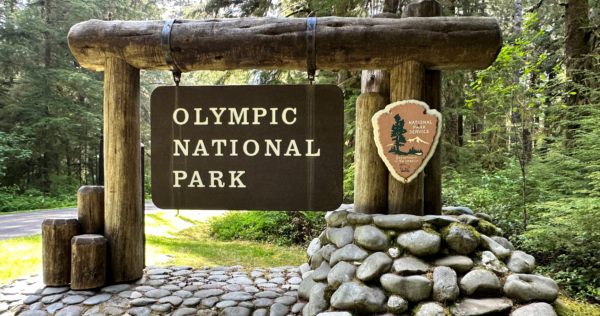
Steel Bridge Restores Fish Migration in Olympic National Forest
A new 70-foot steel bridge in the Olympic National Forest restores a vital fish passage, demonstrating steel’s durability and adaptability for environmentally sustainable infrastructure.