AGA Releases Guide for Hot-Dip Galvanized Steel Bridge Design
The Short Span Steel Bridge Alliance (SSSBA) is highlighting a valuable new resource now available from SSSBA member, the American Galvanizers Association.
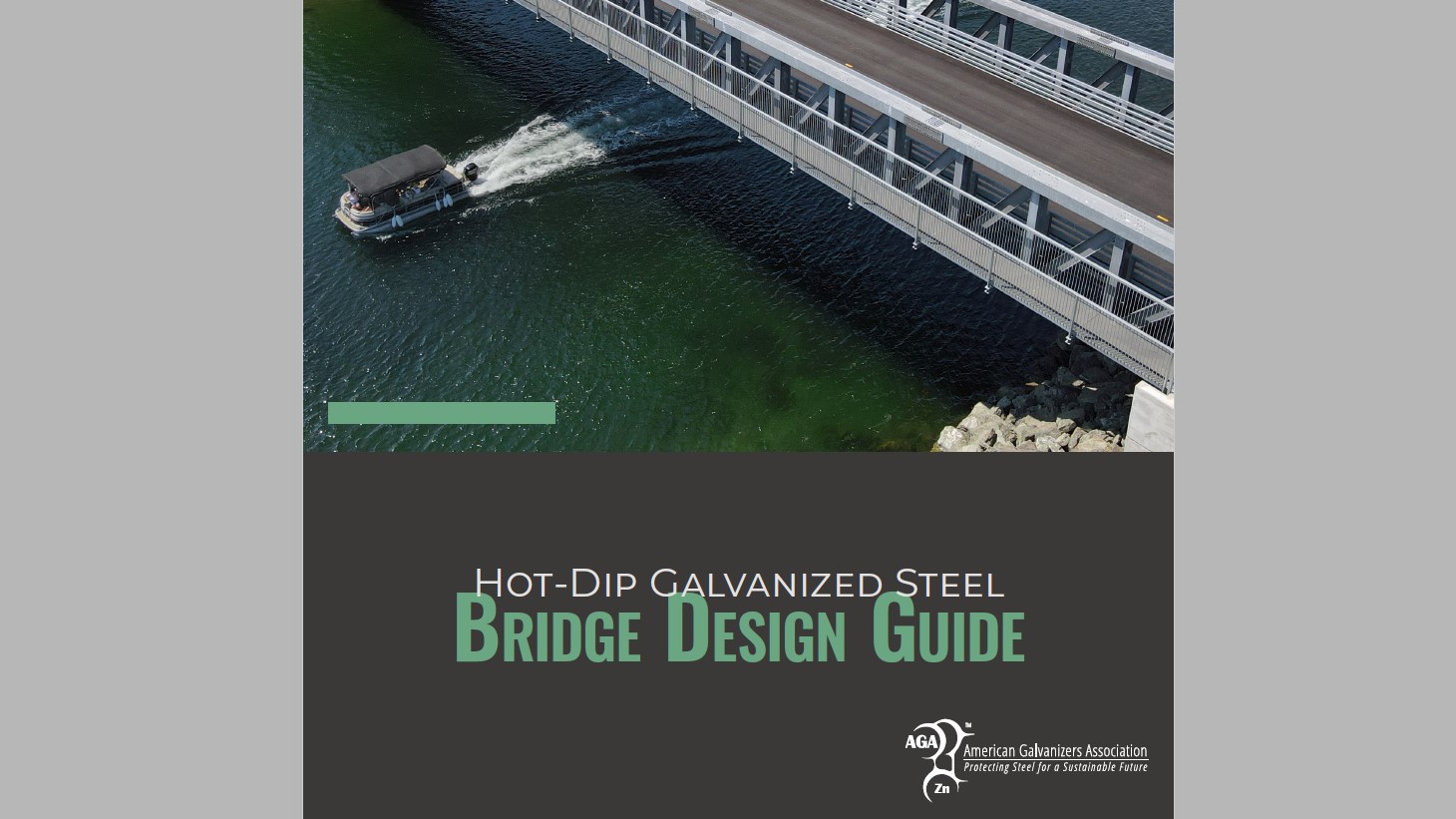
The Hot-Dip Galvanized Steel Bridge Design Guide is a comprehensive resource that offers bridge owners, engineers, and designers with practical guidance on the use of hot-dip galvanized (HDG) steel in bridge applications. It covers the full lifecycle of galvanized steel bridges – from design and detailing to fabrication, construction, inspection, maintenance, and repair – serving as a go-to reference for implementing durable, cost-effective corrosion protection systems.
Hot-dip galvanizing involves immersing steel in molten zinc, creating a metallurgically bonded coating that delivers uniform, long-lasting protection, even in hard-to-reach areas. As highlighted in the guide, HDG has a strong track record across a wide range of bridge and highway applications, supporting long service life with minimal maintenance.
The publication emphasizes the role of galvanized steel in achieving 100-year bridge design life goals, offering a practical and sustainable solution for infrastructure owners. It also outlines important considerations for design and detailing, including venting and drainage, connection design, fabrication practices, and inspection techniques to ensure optimal performance.
In addition, the guide addresses when HDG is most effective, as well as scenarios, such as highly corrosive environment, where additional strategies like duplex coating systems may be appropriate to enhance durability and performance.
The Hot-Dip Galvanized Steel Bridge Design Guide is organized into key sections covering:
- Benefits of HDG
- Site and application-specific design
- Structural design
- Detailing
- Fabrication and construction
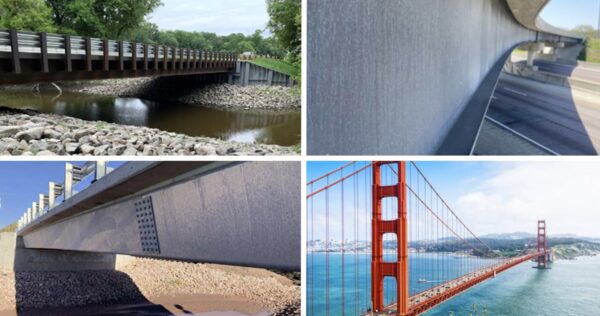
- HDG appearance
- In-service inspection recommendations
- Duplex systems
This new resource reinforces the continued advancement of corrosion protection solutions within the steel bridge industry and provides practical tools to support resilient, long-lasting bridge design.
To download this free guide, visit the American Galvanizers Association website.
Does steel provide a sustainable option for bridges?
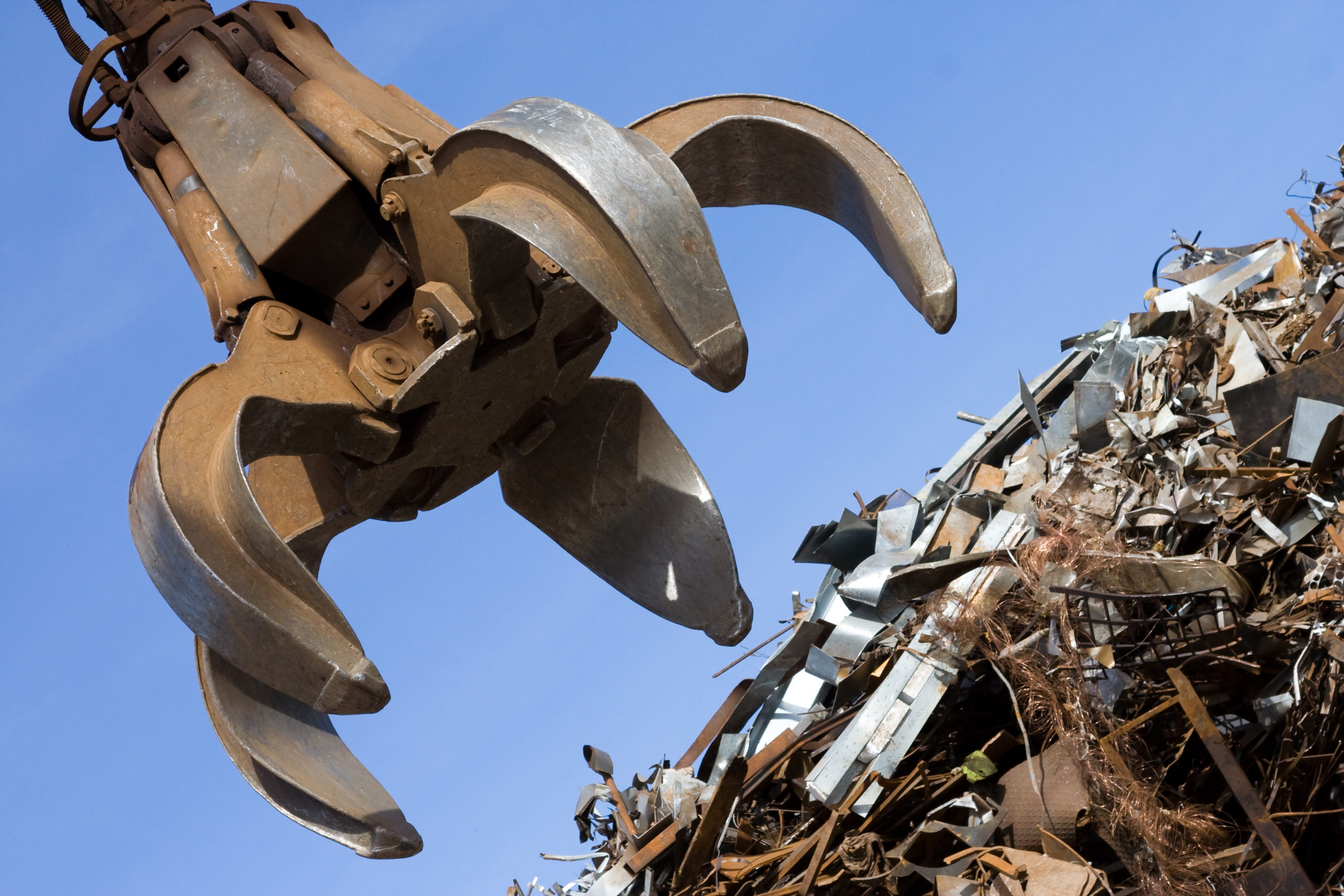
Steel is the most recycled material on the planet. Some of the sustainable advantages of steel include:
- Steel from a disassembled bridge can be used again for another project.
- Steel bridges can last 100 years or more, with minimal maintenance over their long service lives.
- The high strength of steel permits longer spans, which minimizes disruption to underlying habitats.
- Steel is highly resistant to extreme natural disasters such as earthquakes.
- The American steel industry has achieved a 31 percent reduction in energy intensity and a 36 percent reduction in greenhouse gas intensity since 1990.
News
Missouri Steel Bridge Bundle Project Wins Prize Bridge Award
The National Steel Bridge Alliance (NSBA) named Missouri’s FARM Bridges Design/Build Bundle the 2026 Prize Bridge Award winner in the Short Span category. Fabricated by SSSBA member DeLong’s, the project delivered 31 rural bridges across 15 counties using galvanized steel and SDCL design for a 100-year service life.
Durability & Coatings
HDG Rebar vs. Epoxy-Coated Rebar
A new publication by the American Galvanizers Association compares the performance of hot-dip galvanized (HDG) rebar and epoxy-coated rebar in reinforced structures.
Durability & Coatings
Determining and Overcoming the Size Limitations of Hot-Dip Galvanizing
The American Galvanizers Association explains how kettle size limits can be overcome with strategies like modular design, progressive dipping, and other creative solutions.
Short Span Steel Bridges