 Short Span Steel Bridges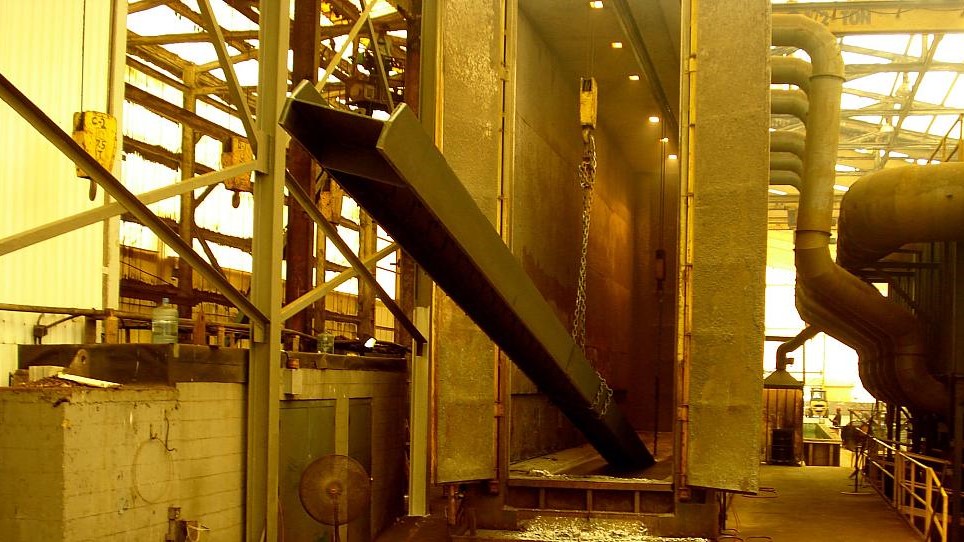
Determining and Overcoming the Size Limitations of Hot-Dip Galvanizing
The following excerpt and image were provided by the American Galvanizers Association (AGA).
Authored by Alana Fossa and Brandon Jones
What is the largest item that can be hot-dip galvanized?
Hot-dip galvanizing is a complete immersion process, which means the parts must fit in the zinc bath to be coated. Ultimately, size is limited by the dimensions of the galvanizing kettle, but the kettle dimensions of galvanizers vary.
In North America, the average kettle length is 40 ft (12 m), but there are many 50-60 ft (16-18 m) long kettles. When it comes to galvanizing items over 40 ft in length or over 6 ft in width or depth, the question “will it fit in the kettle?” is an important one. However, the answer is more nuanced than a simple yes or no.
Over the years, the AGA has developed several tools to guide potential customers through the possibilities and alternative solutions when it comes to dipping items seemingly larger than the galvanizing kettle. These tools can benefit projects involving large bridge girders, pedestrian bridges, utility structures, wind towers, trusses, stairways, canopy frames, and more.
On a project specific level and during any phase of a project, AGA offers practical resources to determine whether fabrications can be galvanized due to size, and the options available for larger fabrications.
The remainder of the article outlines practical tips for addressing kettle size constraints during bridge and structural steel projects. It covers common kettle dimensions, the importance of early planning, and techniques such as modular design, progressive dipping, hybrid coating solutions, and direct consultation with galvanizers to accommodate larger or awkwardly shaped components.
Read the full article on the American Galvanizers Association website
Does steel provide a sustainable option for bridges?
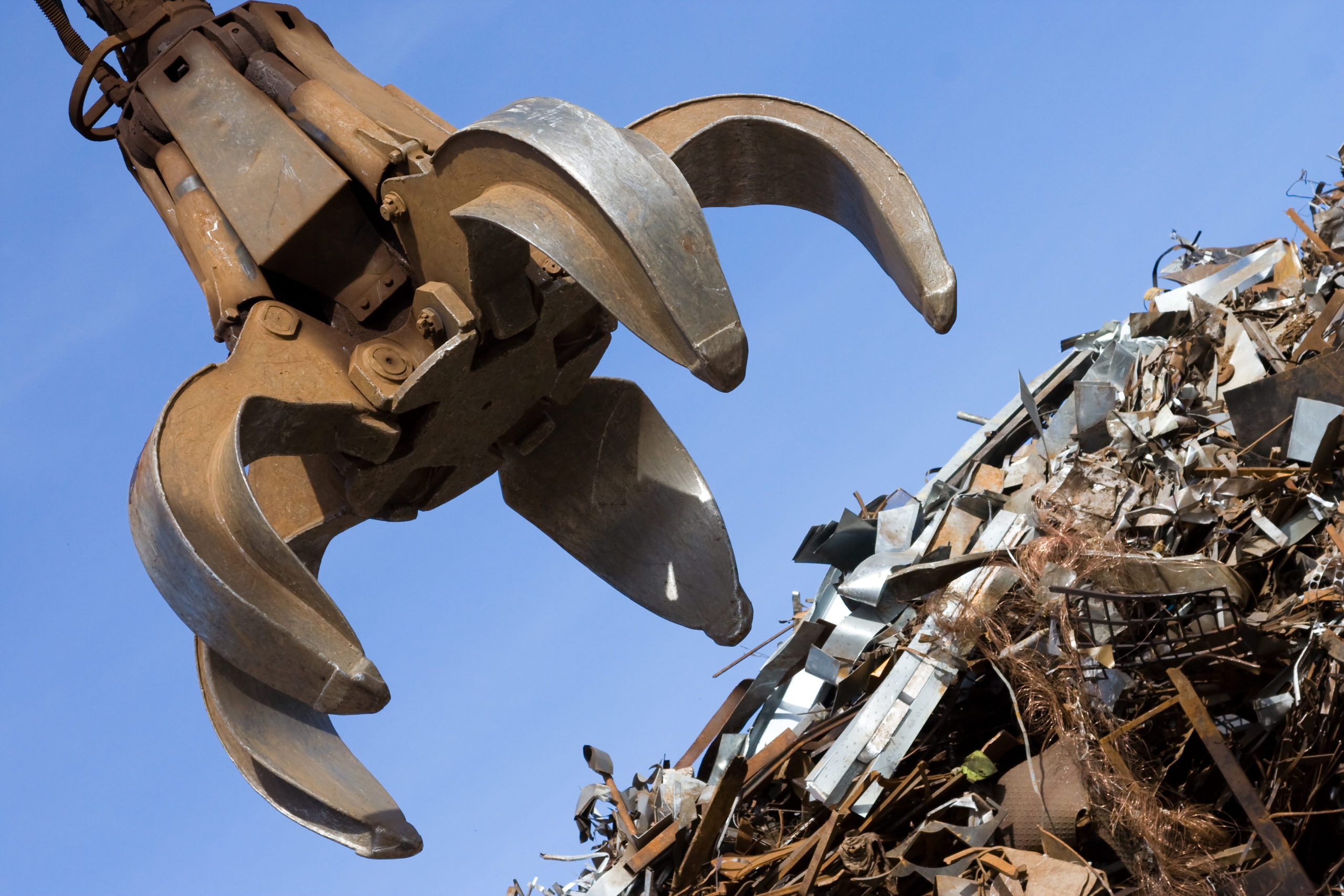
Steel is the most recycled material on the planet. Some of the sustainable advantages of steel include:
- Steel from a disassembled bridge can be used again for another project.
- Steel bridges can last 100 years or more, with minimal maintenance over their long service lives.
- The high strength of steel permits longer spans, which minimizes disruption to underlying habitats.
- Steel is highly resistant to extreme natural disasters such as earthquakes.
- The American steel industry has achieved a 31 percent reduction in energy intensity and a 36 percent reduction in greenhouse gas intensity since 1990.
 News
News
Missouri Steel Bridge Bundle Project Wins Prize Bridge Award
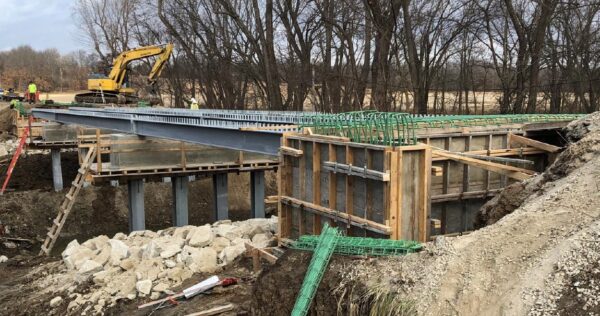
The National Steel Bridge Alliance (NSBA) named Missouri’s FARM Bridges Design/Build Bundle the 2026 Prize Bridge Award winner in the Short Span category. Fabricated by SSSBA member DeLong’s, the project delivered 31 rural bridges across 15 counties using galvanized steel and SDCL design for a 100-year service life.
 Durability & Coatings
HDG Rebar vs. Epoxy-Coated Rebar
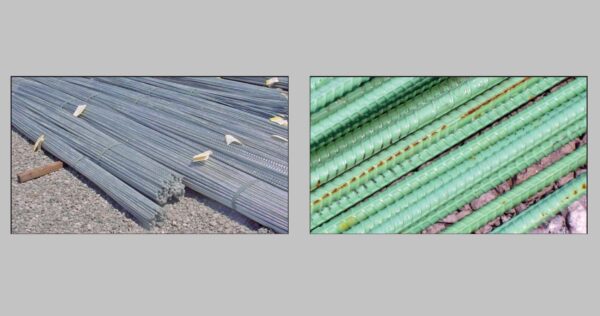
A new publication by the American Galvanizers Association compares the performance of hot-dip galvanized (HDG) rebar and epoxy-coated rebar in reinforced structures.
 News
News
SSSBA to Host Session on Corrosion Protection Systems at International Bridge Conference (July 15)
The SSSBA will host a session at the International Bridge Conference in Pittsburgh, PA, focused on corrosion protection systems for steel bridges, featuring expert presentations on weathering steel, galvanizing, metallizing and painting.