 Short Span Steel Bridges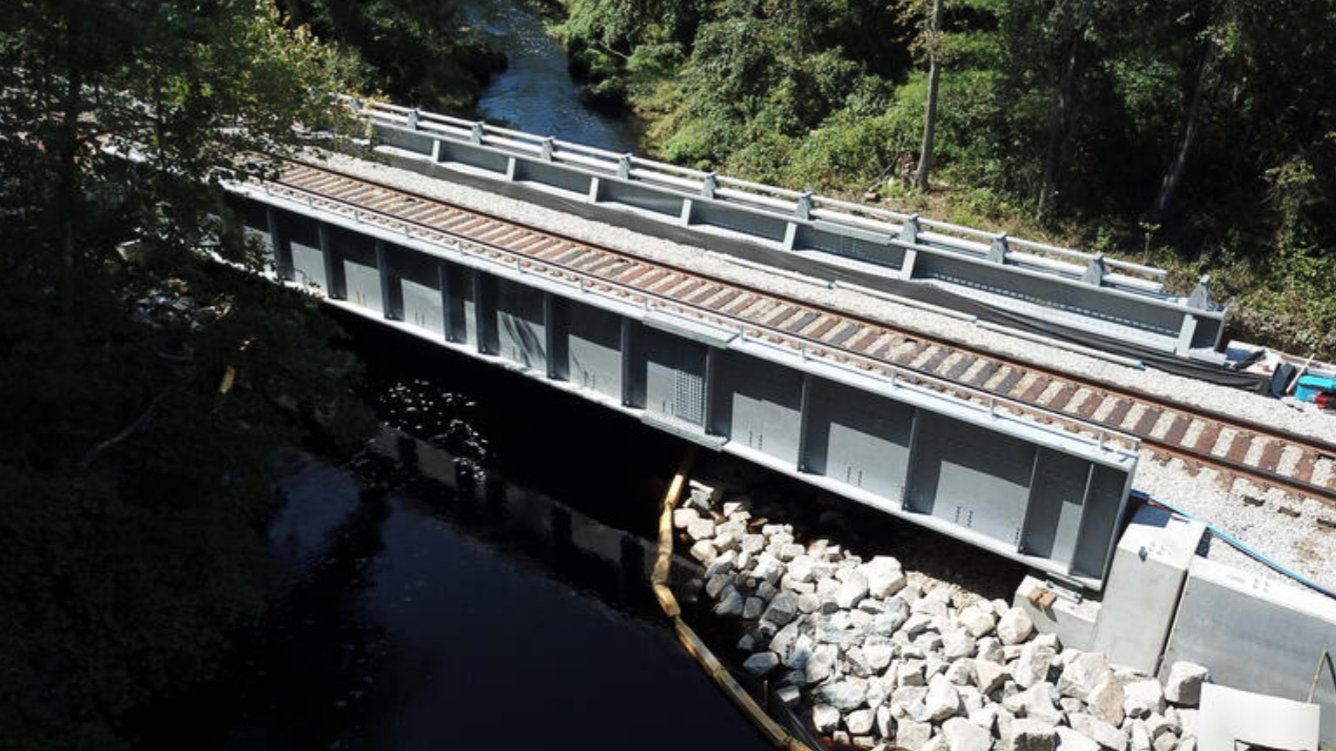
Galvanized Steel Railway Bridge Assembled Off-Site, Installed in 11-Days
The following case study and accompanying images were provided by SSSBA member V&S Galvanizing.
The Assonet River Railroad Bridge in Assonet, Massachusetts, was recently replaced as part of the South Coast Rail Project, which is restoring Massachusetts Bay Transportation Authority (MBTA) commuter rail service between Boston and Southeastern Massachusetts for the first time since the 1950s. Phase 1 of the project will allow commuters to travel via a one-seat trip from Boston to the southeastern region—significantly improving transit access and reliability across the state’s southern corridor.
Modern Steel Solution for a Historic Route
The new Assonet River Bridge is a steel railway bridge designed to support heavy commuter train traffic while delivering long-term performance in a challenging environment. With girders standing 7 feet tall and a total span of 80 feet, the bridge was fabricated using 67 tons of structural steel. The decision to use steel allowed for off-site fabrication and assembly—key advantages for a project located deep in the woods near the Assonet River.

The Assonet River Railroad Bridge was assembled off-site, transported and installed in 11-days.
Galvanized Steel: Built to Last in Harsh Conditions
To protect the steel structure, hot-dip galvanizing was specified for all major components, including girders, plates, beams, and angles. This coating system was selected for its proven durability, corrosion resistance and sustainability. The MBTA prioritized a solution that would perform reliably in the moist, forested environment without requiring frequent maintenance or recoating—something that would be difficult and costly given the bridge’s location.
The result is a railway bridge that will serve generations of commuters with minimal disruption and environmental impact.
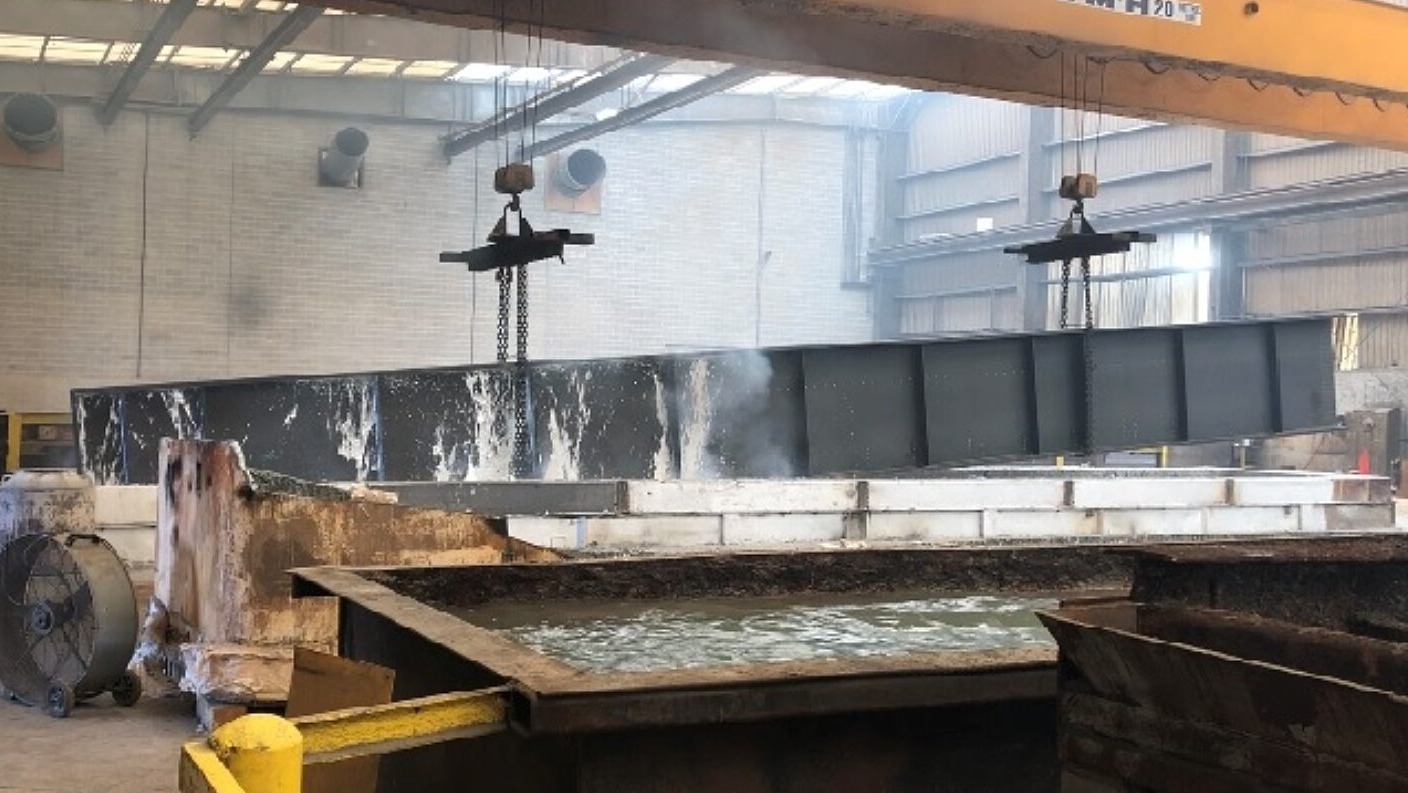
To protect the steel structure, all major components of the Assonet River Railroad Bridge – including girders, plates, beams, and angles – were hot-dip galvanized.
Efficient Construction with Minimal Impact
Due to site constraints and the importance of maintaining the commuter rail timeline, the steel bridge was fully assembled off-site by project partners including Greiner Industries, Skanska, VHB, HNTB, and the MBTA. After assembly, the structure was transported and installed in a carefully coordinated 11-day service window, during which the old bridge was removed, precast components were set, and the new bridge was bolted into place.
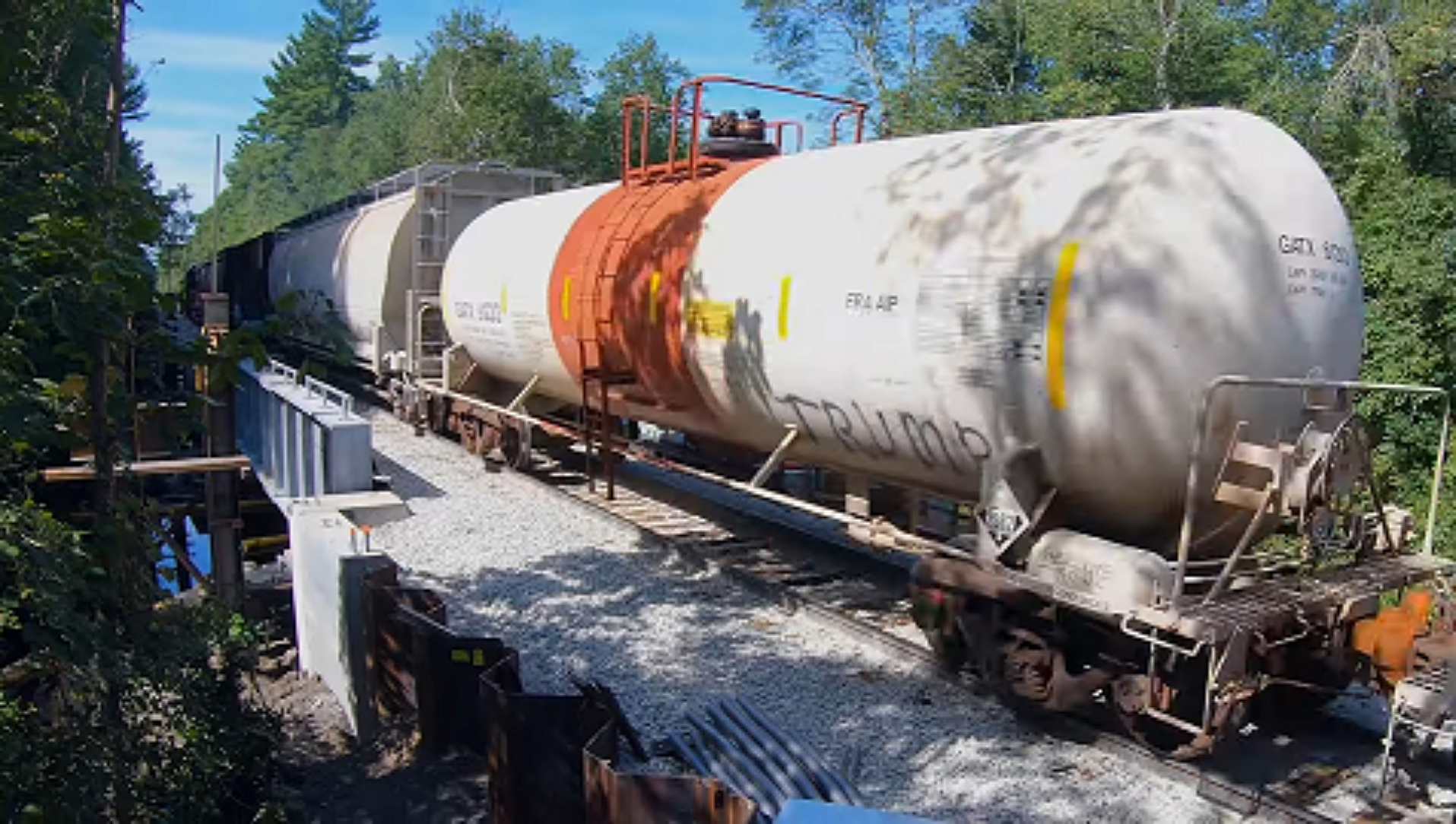
By combining efficient construction techniques with galvanized steel, the Assonet River Railroad Bridge replacement highlights how modern steel railway bridges can meet today’s infrastructure demands.
Sustainable Infrastructure in Motion
By combining efficient construction techniques with sustainable materials like galvanized steel, the Assonet River Railroad Bridge replacement highlights how modern steel railway bridges can meet today’s infrastructure demands while preparing for tomorrow’s needs. The project earned recognition in both the Bridge & Highway and Transportation sectors.
As one project team member put it, “Over the river and through the woods. The Assonet River installation combined traditional techniques with new techniques. It also helped to limit the environmental footprint of the construction.”
For more information, contact:
Alek Novatnak
Northeast Sales & Marketing Manager
V&S Galvanizing
153 Micro Drive
Jonestown, PA 17038
717-639-4896
alekn@hotdipgalv.com
 Case Study
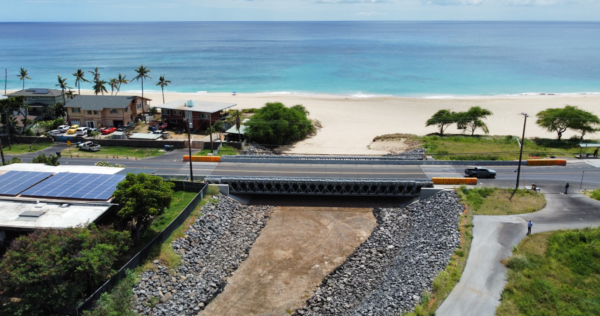
Hawaii DOT Installs Prefabricated Steel Bridges to Lower Costs and Improve Climate Resilience
SSSBA member Acrow supplied prefabricated steel bridges for Hawaii DOT’s Makaha replacement project, cutting costs, speeding installation and enhancing long-term climate resilience.
 Case Study
Modular Steel Bridge Keeps Rural Wyoming Connected
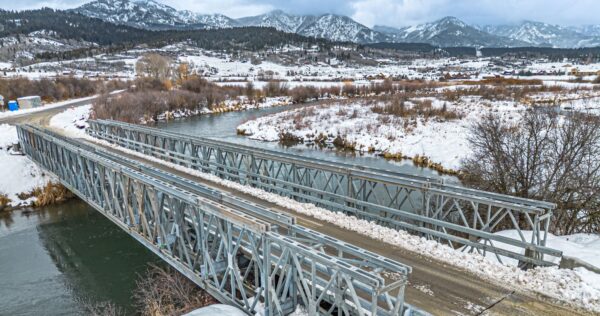
Acrow’s modular steel detour bridge in Alpine, Wyoming, ensures safe traffic flow while the Salt River bridge undergoes repairs.
 Case Study
Bridges of Franklin County: Why Missouri is Turning to Steel
Franklin County, Missouri, saved $283,000 by selecting steel over concrete for four short-span bridge projects, demonstrating that simplified designs combined with a competitive bidding process can deliver exceptional value, durability and long-term performance.