 Short Span Steel Bridges
 Hot-Dip Galvanizing Provides Maintenance Free Longevity
In this video (above), Alana Fossa, Senior Corrosion Engineer at the American Galvanizers Association, provides information on why bridge owners should consider the use of hot-dip galvanized steel for bridge projects.
Excepts from this article provided by the American Galvanizers Association.
Hot-dip galvanizing (HDG) is often used to protect steel from corrosion in some of the harshest environments imaginable, yet it provides maintenance-free longevity for decades.
The corrosion resistance of hot-dip galvanizing varies according to its surroundings but generally corrodes at a rate of 1/30 of bare steel in the same environment. Measurements of the actual consumption rate of the coating during the first few years of service provide good data for projecting a conservative estimate for the remaining life to first maintenance, because as zinc corrosion products build on the surface, which in most environments are adherent and fairly insoluble, the corrosion rate often slows as time progresses.
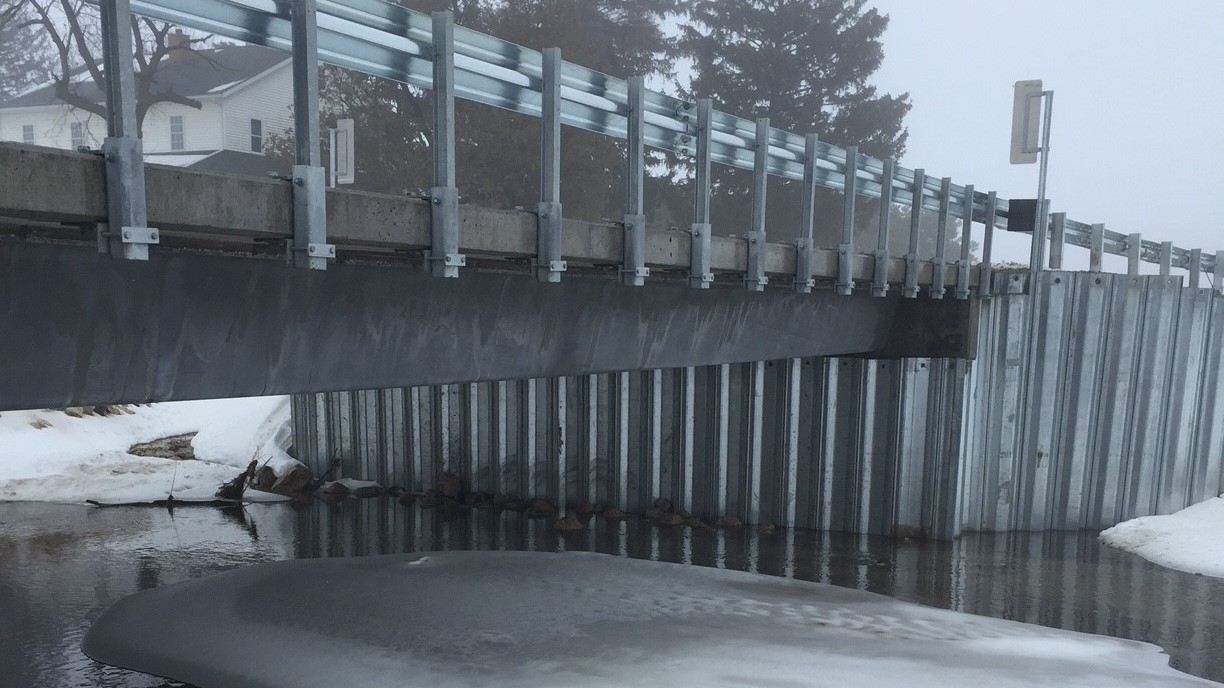
Galvanized steel can be used in almost any environment. It can withstand corrosive elements while the longevity of the steel will not be affected (Amish Sawmill Bridge – Buchanan County, Iowa)
How Long Does Hot-Dip Galvanizing Last?
The corrosion resistance of zinc coatings is determined primarily by the thickness of the coating but varies with the severity of environmental conditions. Each environment affects hot-dip galvanizing differently based on a unique set of corrosion variables. The predictability of the lifetime of a coating is important for planning and budgeting for required maintenance.
Whether exposed to the atmosphere, subjected to blazing UV rays, snow, and/or other elements, submerged in water, embedded in soil or concrete, or various other environments, hot-dip galvanized steel can withstand the different corrosive elements and fulfill the intended design life.
More information about hot-dip galvanized steels longevity can be found in the AGAs publication Performance of Hot-Dip Galvanized Steel Products.
Does steel provide a sustainable option for bridges?
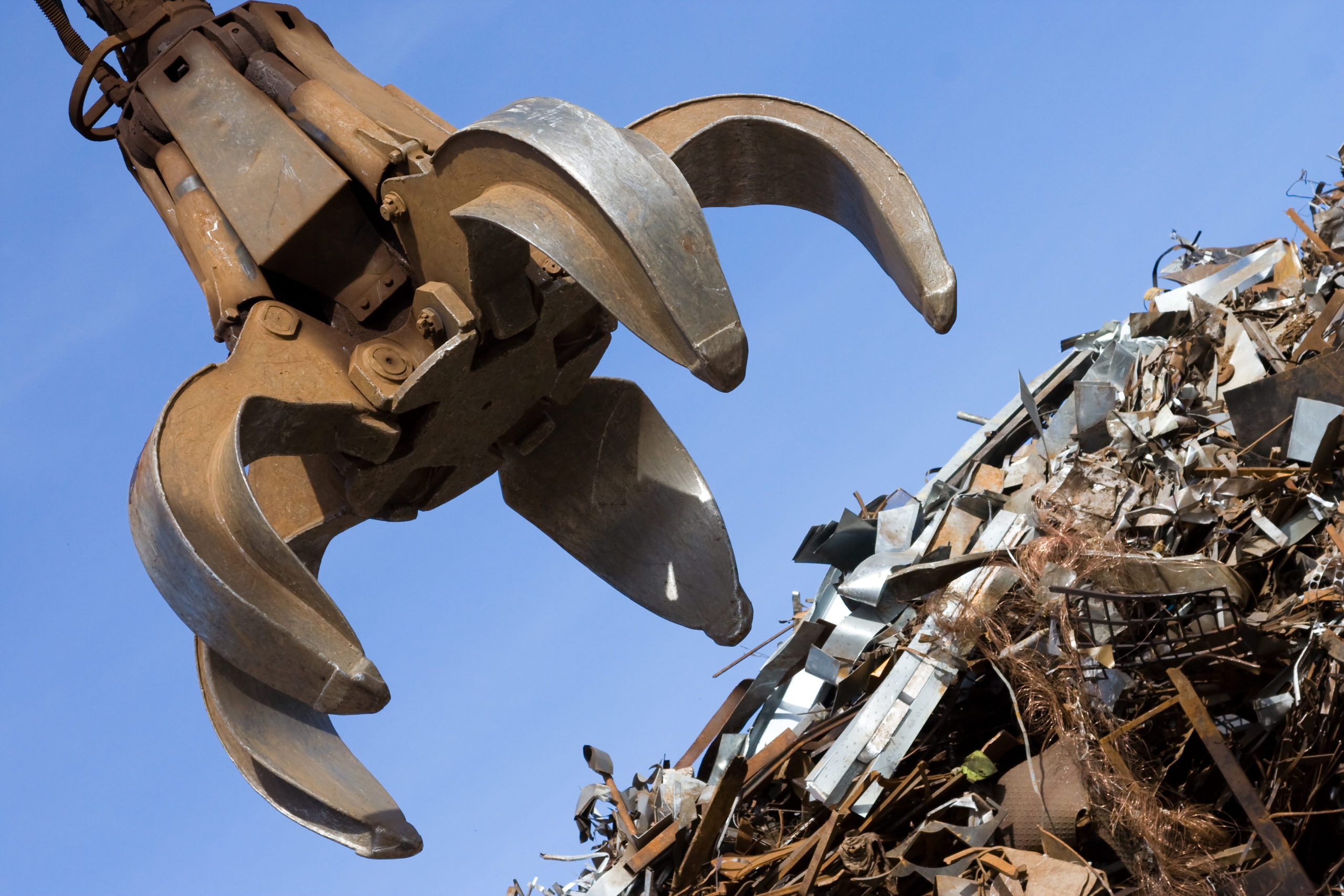
Steel is the most recycled material on the planet. Some of the sustainable advantages of steel include:
- Steel from a disassembled bridge can be used again for another project.
- Steel bridges can last 100 years or more, with minimal maintenance over their long service lives.
- The high strength of steel permits longer spans, which minimizes disruption to underlying habitats.
- Steel is highly resistant to extreme natural disasters such as earthquakes.
- The American steel industry has achieved a 31 percent reduction in energy intensity and a 36 percent reduction in greenhouse gas intensity since 1990.
 Durability & Coatings
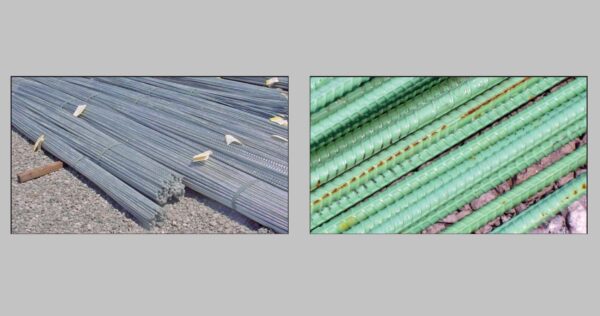
HDG Rebar vs. Epoxy-Coated Rebar
A new publication by the American Galvanizers Association compares the performance of hot-dip galvanized (HDG) rebar and epoxy-coated rebar in reinforced structures.
 Durability & Coatings
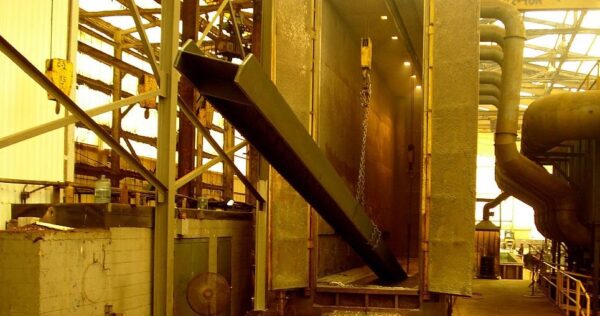
Determining and Overcoming the Size Limitations of Hot-Dip Galvanizing
The American Galvanizers Association explains how kettle size limits can be overcome with strategies like modular design, progressive dipping, and other creative solutions.
 News
News
SSSBA to Host Session on Corrosion Protection Systems at International Bridge Conference (July 15)
The SSSBA will host a session at the International Bridge Conference in Pittsburgh, PA, focused on corrosion protection systems for steel bridges, featuring expert presentations on weathering steel, galvanizing, metallizing and painting.