 Short Span Steel Bridges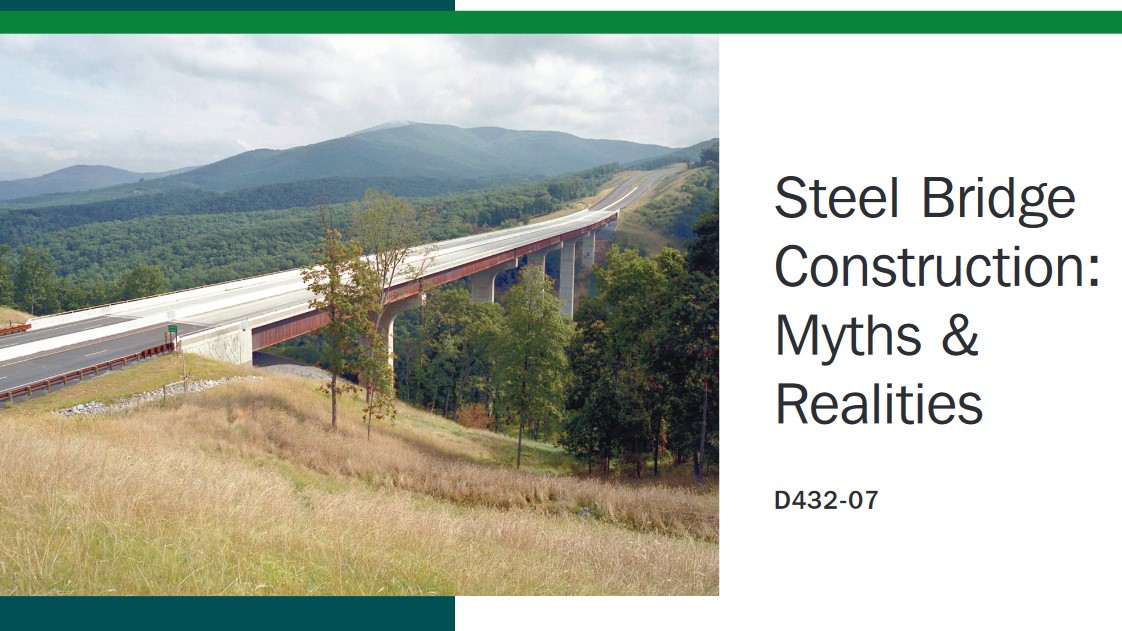
Steel Bridge Construction: Myths & Realities
Steel Bridge Construction: Myths & Realities was developed to dispel some of the “myths” or misconceptions surrounding the use of steel in bridge construction.These myths often arise out of past experience and don’t take into account changes in technology, improvements in materials and products or updated design and construction practices.
Adhering to these myths can limit the competitiveness of steel solutions, lead to misuse of steel products or prevents designer and owners from taking advantage of viable options when it comes to providing crossings.
The information is presented so that choices of framing materials can be made with more accurate knowledge and in the most rational way possible. What follows is not intended to be an exhaustive treatise on the technical aspects of steel bridge design but rather to help designers and owners take full advantage of steel in their search for viable solutions. To the extent possible we have provided references as back up and as sources for additional information.
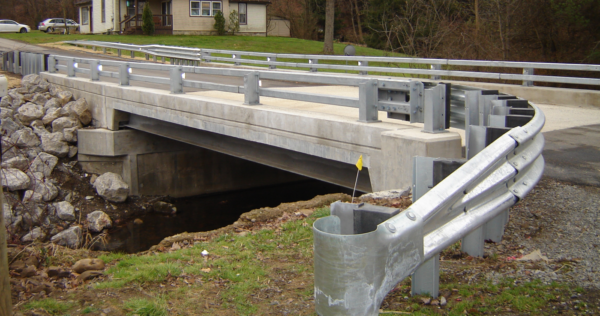 Steel Bridge Basics
AASHTO Offers Guardrail Courses On Basics, Installation and Maintenance
AASHTO recently submitted its surface transportation reauthorization recommendations to the U.S. Department of Transportation in response to the agency’s Request for Information.
 Video
Video
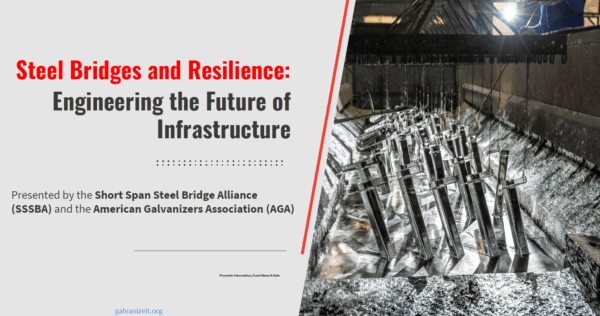
Video: United for Infrastructure Webinar – Steel Bridges and Resilience
During Infrastructure Week, Dr. Michael Barker and Jeff Cunningham highlighted the benefits of galvanized steel in resilient bridge design and construction. An on-demand video of the presentation is now available.
 Education
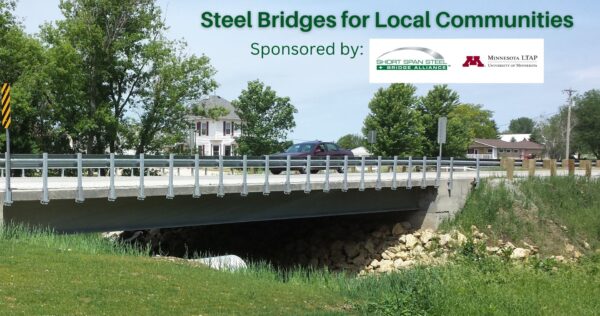
Video: Steel Bridges for Local Communities
Watch the video and download the presentation from the Webinar, “Steel Bridges for Local Communities,” sponsored by the Minnesota Local Technical Assistance Program (LTAP).