 Short Span Steel Bridges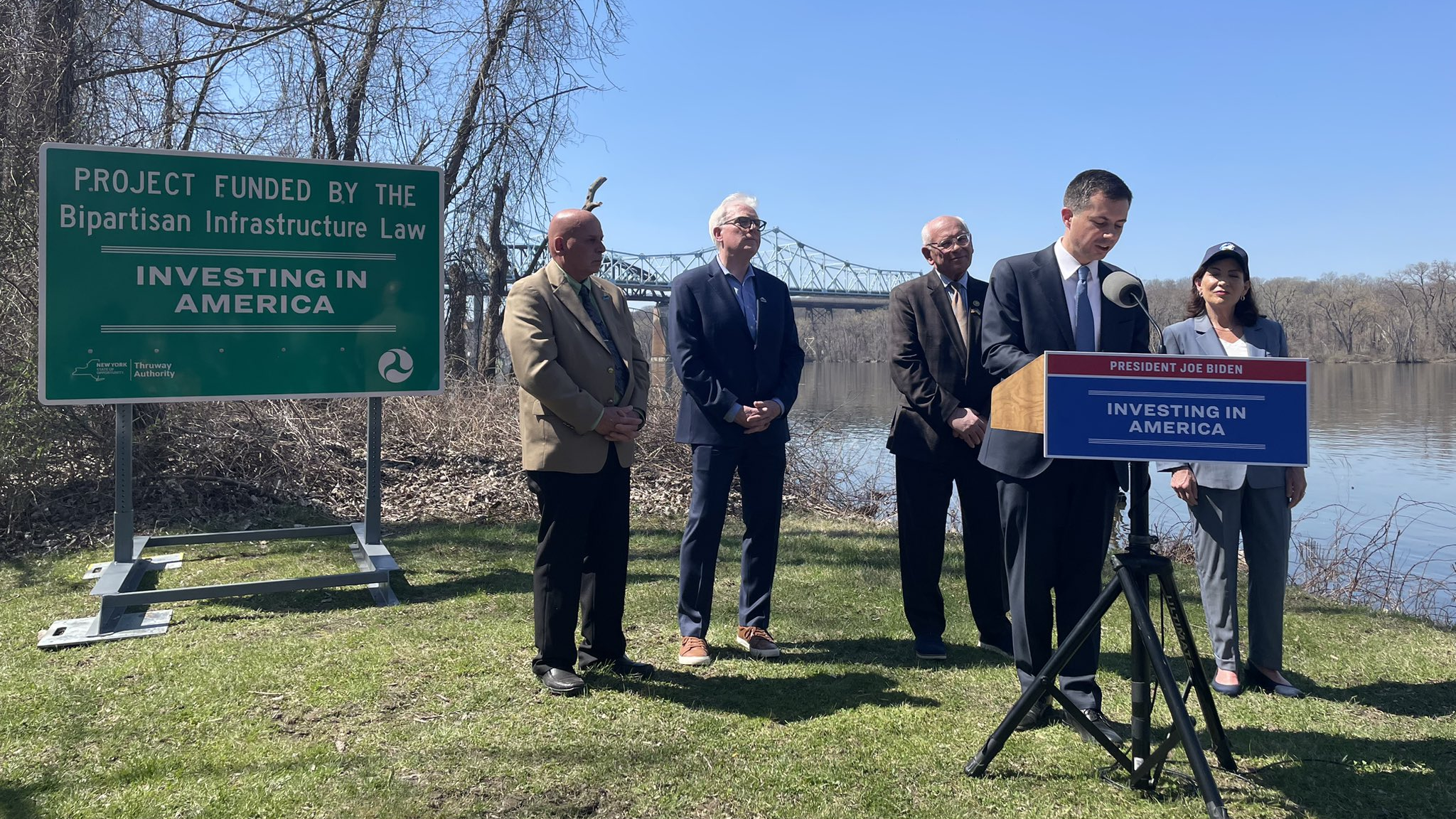
Nine Bridge Projects Awarded Funding Through Bridge Investment Program

Nine bridge projects were awarded nearly $300 million federal funding through the Bridge Investment Program – view the fact sheets about the projects.
BIP Compliments Bridge Formula Program, Invests $12.5 Billion Over 5 Years
The BIP is a competitive grant program that will invest $12.5 billion over 5 years to rebuild, repair, and replace small, medium, and large bridges. This program already invested $2.4 billion in Fiscal Year 2022, and complements the $27.5-billion Bridge Formula Program, representing the single-largest dedicated investment in bridges since the construction of the Interstate Highway System.
“Bridges tie together communities across our country – large and small,” said Federal Highway Administrator Shailen Bhatt. “Over the next five years, the Bridge Investment Program will help repair, replace, and rehabilitate structures that allow working people to get to their jobs, families to get their kids to school, and truck drivers to get goods to store shelves. That is an investment in our country’s economic strength and in the safety and long-term growth of the communities nearby.”
“When bridges have to close for repairs—or worse, begin to fail—it can cut off access to an entire community, adding hours to commutes, costing money for local businesses, and delaying first responders from getting to an emergency,” “The grant awards we’re announcing today are helping communities of all sizes modernize their bridges so that school buses, delivery trucks, ambulances, and commuters can get where they need to go quickly and safely,” said U.S. Transportation Secretary Pete Buttigieg.
Multiple Rural Bridges to be Replaced in Bundled Projects
The announced competitive grants were limited to bridge projects with eligible costs of up to $100 million. Three of the nine awarded projects included multiple rural or off-system bridge replacements:
Oklahoma: Circuit Engineering District 8 – Improving Rural Bridges in Northwest Oklahoma– $11.5 million (Rural)
Replacement of seven bridges would benefit economic growth, the mobility of people and goods, and transportation-network efficiency and accessibility. Nearly 3,000 vehicles cross these bridges every day and the project will improve reliability and capacity of the bridges for the region’s farmers, ranchers, and energy workers.
South Carolina: South Carolina Department of Transportation – Investing in South Carolina’s Rural Bridges – $51.2 million (Rural)
Replacement of six bridges that range from 68 to 101 years old. These bridges serve multiple communities that heavily rely on them to travel to work and school, as well as to transport goods across the state and region. An estimated 13,000 vehicles cross these bridges every day. Without the project, the project sponsors say these bridges will all eventually close to traffic, causing vehicles to take long detours that would result in increased costs.
Wisconsin: City of Madison – John Nolen Drive Bridges – $15.1million
Replacement of six off-system bridges along the John Nolen Drive Causeway, which is a major artery that travels across Lake Monona and into downtown Madison. 45,000 vehicles drive across these bridges every day, and project sponsors estimate the community will save tens of millions from more efficient travel, while realizing safety benefits and increased property value.
Five Game-Changing County Steel Bridge Projects
Short span bridges provide vital links in the nation’s infrastructure network. Yet, more than 220,000 U.S. bridges, representing 36 percent of the national bridge inventory, need major repair work or should be replaced. Counties across the nation are developing innovative steel solutions to fix our county road systems.
These five county projects that are changing the way bridges are designed and constructed.
- Seltice-Warner Bridge (Whitman County, Washington)
- 200th Street Bridge (Buchanan County, Iowa)
- Cannelville Road Bridge (Muskingum County, Ohio)
- Jesup South Bridge (Buchanan County, Iowa)
- TR-251 Bridge (Champaign County, Illinois)
Learn more about the benefits of short span steel bridges for county projects.
Does steel provide a sustainable option for bridges?
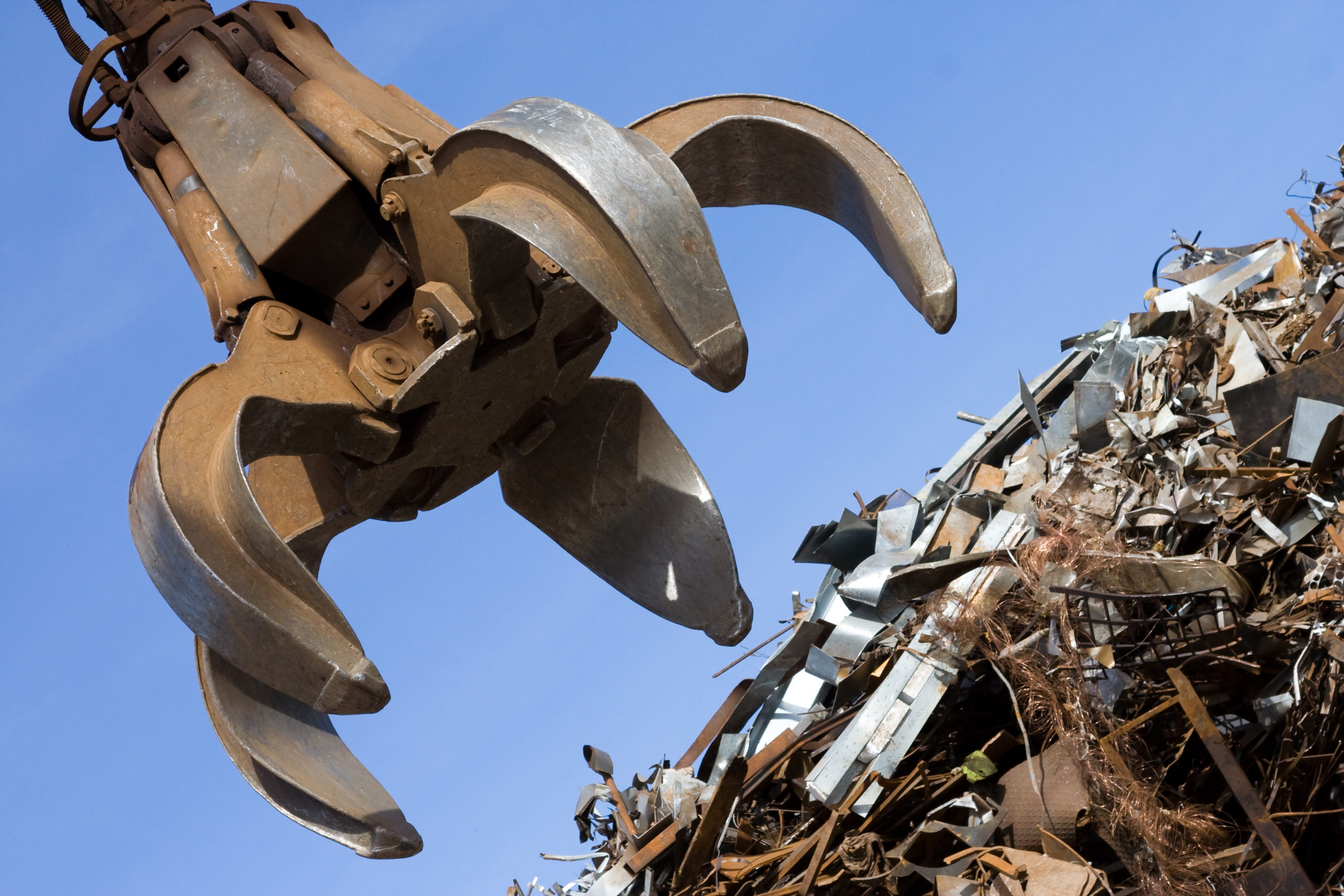
Steel is the most recycled material on the planet. Some of the sustainable advantages of steel include:
- Steel from a disassembled bridge can be used again for another project.
- Steel bridges can last 100 years or more, with minimal maintenance over their long service lives.
- The high strength of steel permits longer spans, which minimizes disruption to underlying habitats.
- Steel is highly resistant to extreme natural disasters such as earthquakes.
- The American steel industry has achieved a 31 percent reduction in energy intensity and a 36 percent reduction in greenhouse gas intensity since 1990.
 News
News
AISI Corrosion Advisory Group to Meet October 27 in Ohio
The AISI Corrosion Advisory Group (CAG) will meet October 27 at the Sherwin-Williams Research & Development Center in Ohio. Discussions will focus on corrosion research, coatings, steel durability and related industry needs.
 Events
Free 6-Part Live Lecture Series: Steel Bridge Design — From Concept to Delivery (Starts Sept. 7)
SSSBA and the University of Wyoming are offering a free six-part lecture series, September 7–23. The series covers key aspects of steel bridge design, fabrication and construction, with live and recorded participation available.
 Design
NSBA Releases Guide to Steel Highway Grade Separation Bridges
NSBA has released the new Guide to Steel Highway Grade Separation Bridges, a comprehensive industry resource designed to support the planning, design and construction of steel highway overpass structures.