 Short Span Steel Bridges
 Research Report: Sustainability of Rural Steel and Concrete Bridges
Author: Dr. Michael Barker, Sarah Bridges, Ione Chandler and Peyton Smith, Civil & Architectural Engineering & Construction Management, University of Wyoming (The above video was presented by Dr. Barker)
Overview
Increasingly, short span bridge owners and designers are emphasizing the importance of sustainability in repair and replacement projects. The potential impact of bridges on the environment has become an important consideration when selecting materials for a crossing. However, minimal information is available to evaluate and compare the sustainability of materials used for the superstructure of a bridge.
To address this inadequacy, the University of Wyoming conducted a study and developed a methodology to evaluate the life cycle sustainability (cradle to grave) of two functionally equivalent steel and concrete rural bridges.
Bridges Evaluated
The two functionally equivalent bridges used within the study are two-lane, approximately 35-ft.-long simple spans, located in Whitman County, Washington, and built with local crews. Only the superstructure of the bridges was considered in the analysis.
Seltice-Warner Bridge
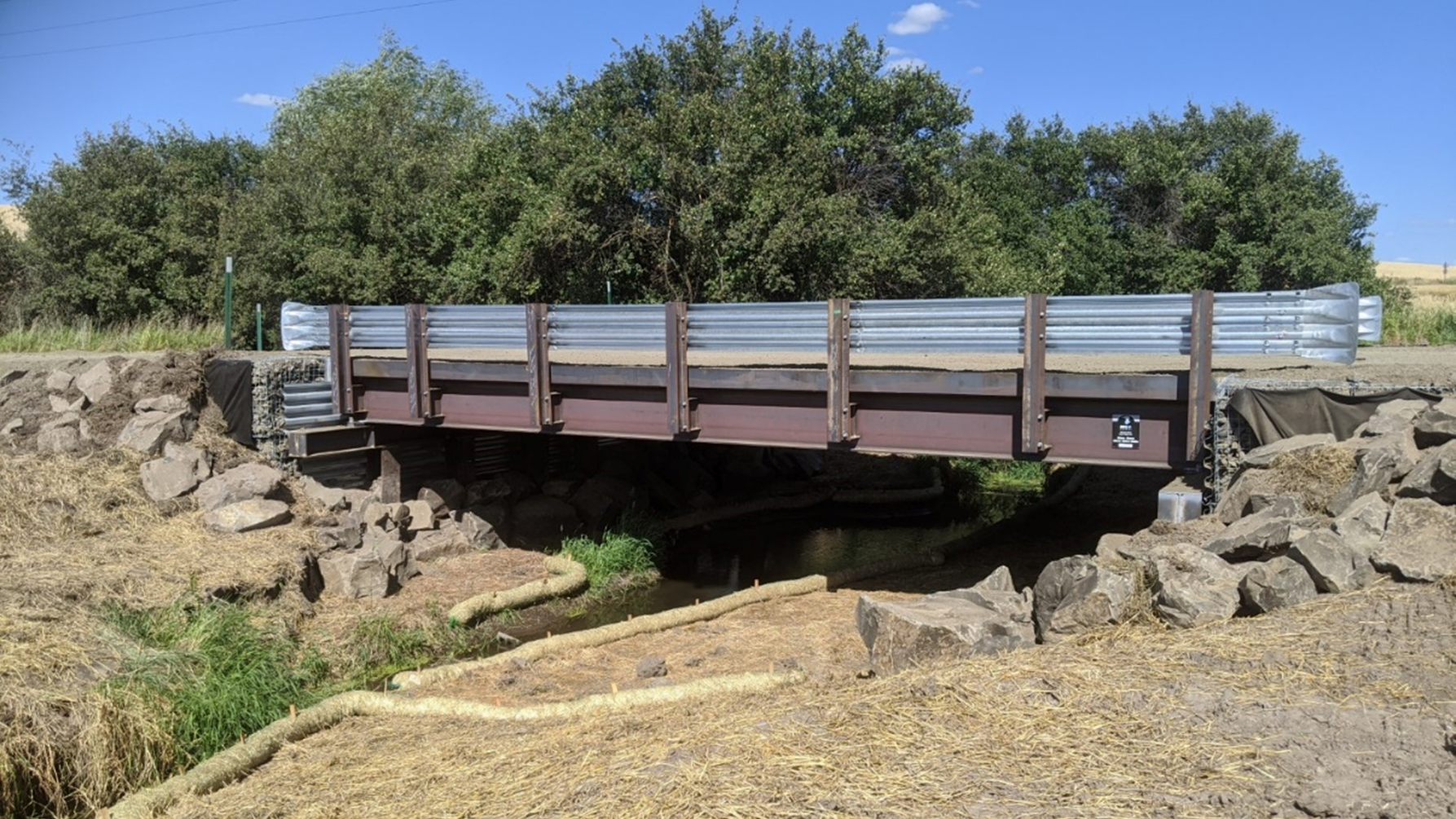
The steel bridge consists of seven rolled beam girders and a corrugated metal deck for a gravel riding surface. The bridge is 35 ft.- 8 in. long and 28 ft. wide, and was built in 2020.
Thornton Depot Bridge

The concrete bridge consists of eight precast prestressed rectangular girders. The girders themselves are the concrete riding surface. The bridge is 34 ft. long and 32 ft. wide, and was built in 2019.
Sustainability Criteria
Four criteria were developed to evaluate and compare the sustainability of the two bridges:
- Embodied carbon emissions of materials, and emissions from equipment
- Embodied energy of materials, and energy consumption from equipment
- Waste management and recyclability
- Life cycle cost
Research Results
The results show that, over the life cycles of the two bridges, the concrete bridge:
- Results in 26.3% more embodied CO2e emissions
- Results in consumption of 8.7% more energy
- Results in recycling of 17.8% less material (at the end of its service life when compared with the steel bridge)
The concrete bridge also has a life cycle cost that is 23% higher than the steel bridge.
It should be noted that these results only apply to the specific aforementioned bridges and the results may vary when making other bridge comparisons. Additional research on this topic is recommended.
Download Summary and Full Report
Download Full Report (2 mb): Sustainability of Rural Steel and Concrete Bridges
Download Summary Report (320 kb): Sustainability of Rural Steel and Concrete Bridges
The opinions and conclusions in this report are not necessarily those of the American Iron and Steel Institute or the Short Span Steel Bridge Alliance
Contact Information
Michael G. Barker, Ph.D.
Director, SSSBA Bridge Education Center
Professor, Civil & Architectural Engineering, University of Wyoming
Email: barker@uwyo.edu
Does steel provide a sustainable option for bridges?
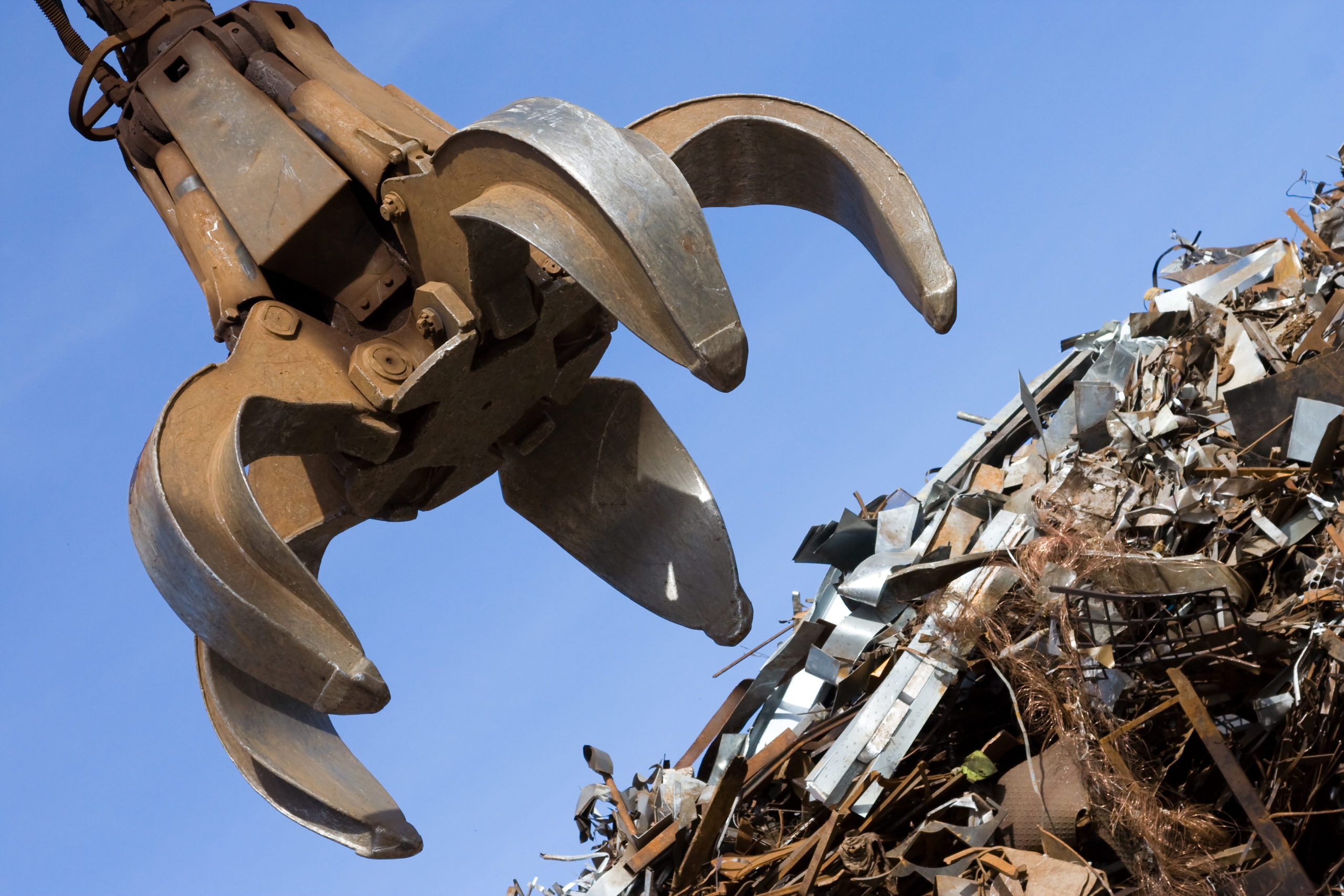
Steel is the most recycled material on the planet. Some of the sustainable advantages of steel include:
- Steel from a disassembled bridge can be used again for another project.
- Steel bridges can last 100 years or more, with minimal maintenance over their long service lives.
- The high strength of steel permits longer spans, which minimizes disruption to underlying habitats.
- Steel is highly resistant to extreme natural disasters such as earthquakes.
- The American steel industry has achieved a 31 percent reduction in energy intensity and a 36 percent reduction in greenhouse gas intensity since 1990.
 Buried Bridge
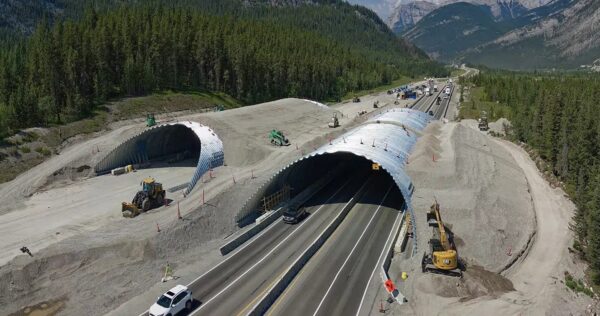
Corrugated Steel Animal Overpass Reduces Wildlife-Vehicle Collisions
The corrugated steel Stoney Nakoda Exshaw Wildlife Arch in Western Canada showcases the balance of engineering and environmental stewardship, setting a new standard for wildlife-friendly infrastructure.
 Sustainability
Steel Bridge Restores Fish Migration in Olympic National Forest
A new 70-foot steel bridge in the Olympic National Forest restores a vital fish passage, demonstrating steel’s durability and adaptability for environmentally sustainable infrastructure.
 Sustainability
Infrastructure Week 2024 Recording: Preservation of Steel Bridges
In this webinar recording, industry experts discuss the most effective methods to preserve steel bridges.