 Short Span Steel Bridges
First Bridge Investment Program Grants Announced
The following excerpt provided by the U.S. Department of Transportation.
Image: Bridge Investment Program Grant Recipients (view detailed map)
The first round of planning grants under the Bridge Investment Program will provide $18.4 million in Fiscal Year 2022 funding for 23 projects in 23 states. These grants will be used to create a pipeline of future bridge construction projects to improve safety, support economic competitiveness, and to provide resilient highway infrastructure that is better able to withstand the effects of climate change.
“Bridges represent more than just their physical structures—they connect people and communities and make it easier to go about our daily lives,” said U.S. Transportation Secretary Pete Buttigieg. “These grants will help communities across the country move forward to modernize their bridges and make it easier for people and goods to move quickly, reliably, and safely to their destinations.”
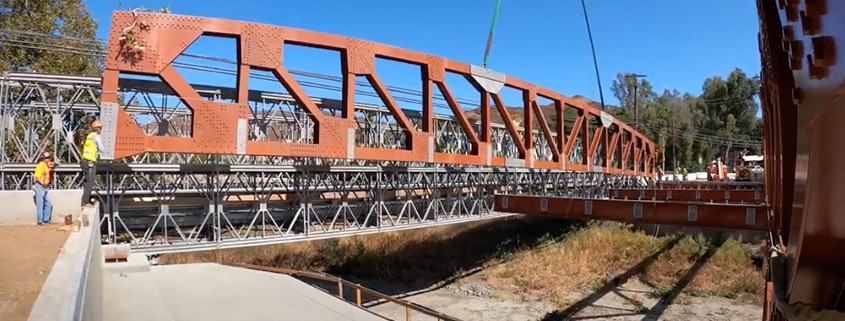
Steel bridges can be designed with prefabricated elements which provide a simpler installation and time savings. Learn more about the Mulholland Bridge.
Planning Grants Create Pipeline of Future Bridge Projects
In total, the Bipartisan Infrastructure Law’s Bridge Investment Program will make the single largest dedicated investment in bridges – $12.5 billion over five years, with nearly $2.4 billion available in Fiscal Year 2022 – since the construction of the Interstate highway system.
“Across the nation, the Biden-Harris Administration is making historic investments in thousands of bridges, which often serve as a community’s or region’s most important transportation link,” said Deputy Transportation Secretary Polly Trottenberg. “These Bridge Planning Grants will be used to create a pipeline of future bridge construction projects to improve safety, add or improve multi-modal access, support economic competitiveness, and to provide resilient highway infrastructure that is better able to withstand the effects of climate change.”

Habitat protection and environmental enhancements are major benefits of using buried steel bridges. Learn more about the Falcon Ridge fish passage structure.
Projects Can Also Be Awarded Construction Grants
Planning grants under the Bridge Investment Program are available for projects in the early phases of project development, where eligible activities include planning, feasibility analysis, and revenue forecasting.
By providing planning grants in addition to construction grants, US DOT can aid in the development stage of a project – whether owned by a state, a city, or a local community – that could then later be eligible to apply for a construction grant through a range of competitive grant programs where bridge projects are eligible, including the Bridge Investment Program, MEGA, INFRA, and RURAL, based on criteria outlined in the Notice of Funding Opportunity (NOFO).
“The Bridge Planning program will help create a pipeline of bridge projects that can potentially be awarded construction grants during the implementation of President Biden’s Bipartisan Infrastructure Law. These planning grants were all made at the requested funding amounts for bridges that are critical to working people living in communities across the country,” said Acting Federal Highway Administrator Stephanie Pollack. “Through the Bridge Investment Program, we are helping communities as they plan to restore and replace bridges that play vital roles for the people who use them in their daily lives. Planning for these activities is a critical step before construction can get underway.”
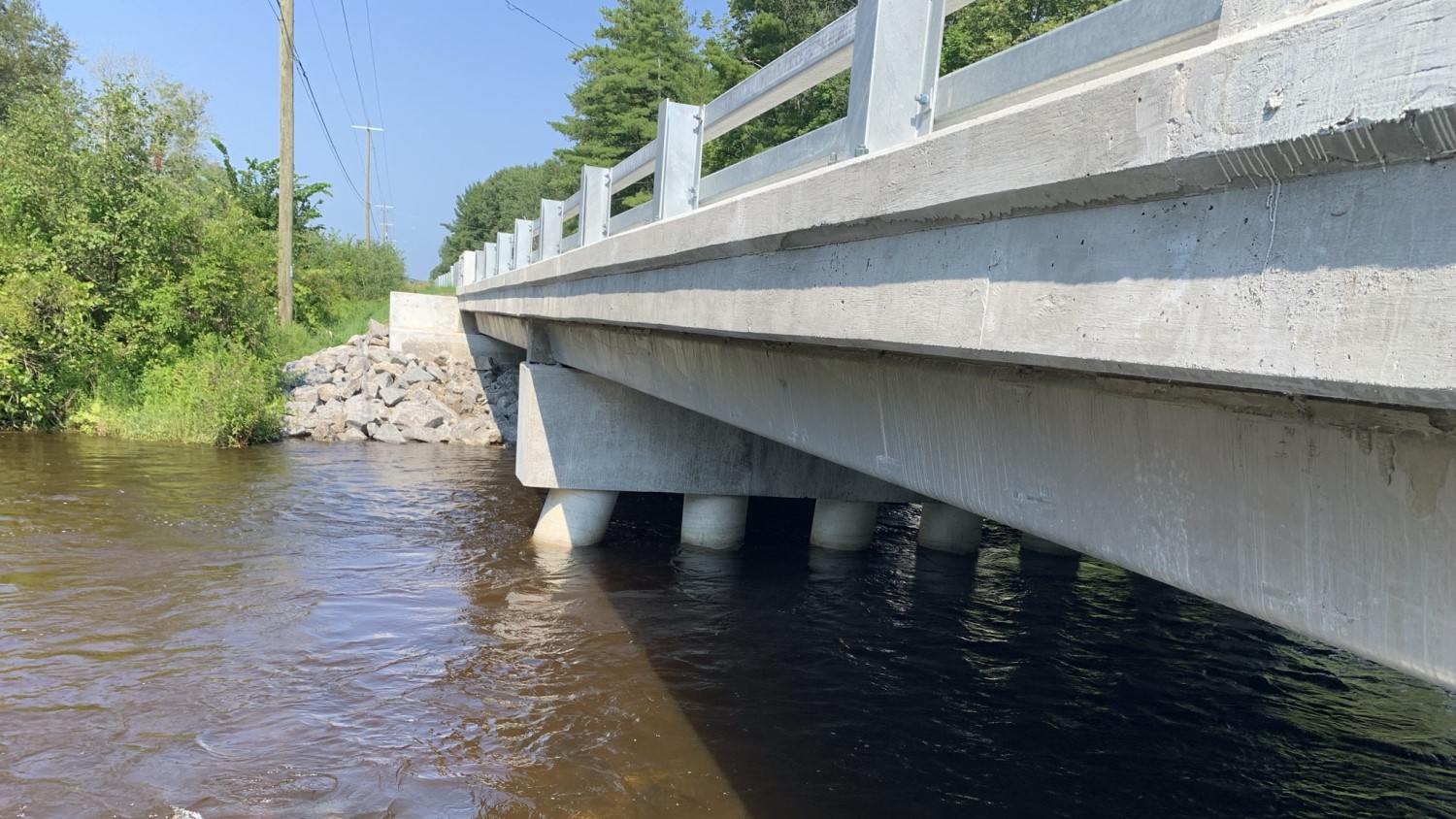
Steel bridges have long lives, decreasing the need for replacement. The press-brake tub girder (PBTG) system has a life expediency of over 100 years, with the first 60 of those years being maintenance-free. Learn more about this PBTG located in Grand Traverse County.
Planning Grant Award Recipients List
The following lists provide additional information about the 23 projects in 23 states that received Fiscal Year 2022 funding.
Does steel provide a sustainable option for bridges?
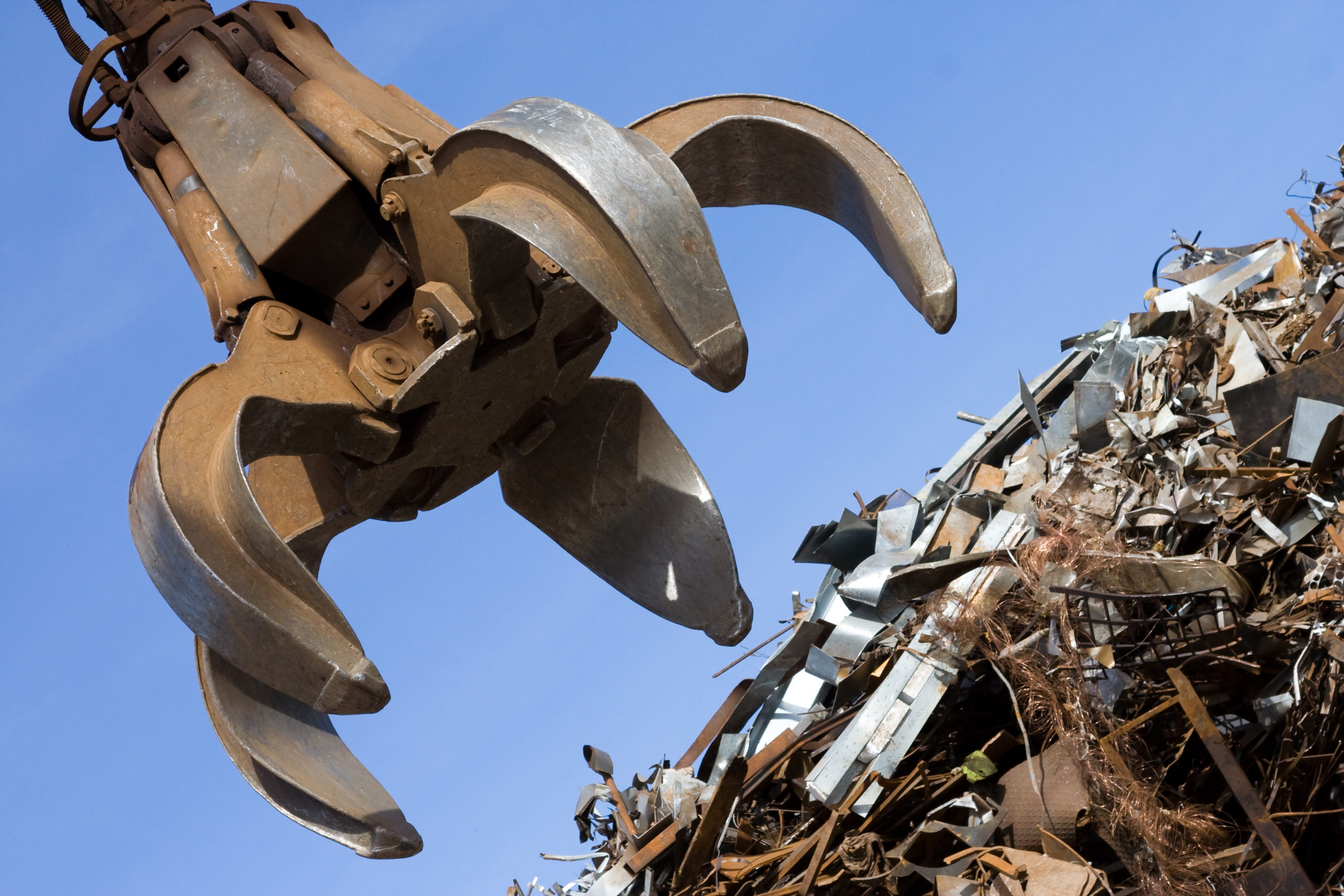
Steel is the most recycled material on the planet. Some of the sustainable advantages of steel include:
- Steel from a disassembled bridge can be used again for another project.
- Steel bridges can last 100 years or more, with minimal maintenance over their long service lives.
- The high strength of steel permits longer spans, which minimizes disruption to underlying habitats.
- Steel is highly resistant to extreme natural disasters such as earthquakes.
- The American steel industry has achieved a 31 percent reduction in energy intensity and a 36 percent reduction in greenhouse gas intensity since 1990.
 News
News
WV DOT Completes Fast-Track Bridge Project with Steel
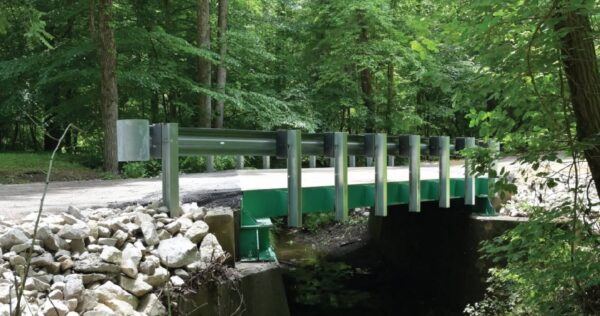
WV DOT completed a fast-track bridge project using salvaged steel beams from a nearby overpass to restore a 20-foot bridge in West Virginia.
 Buried Bridge
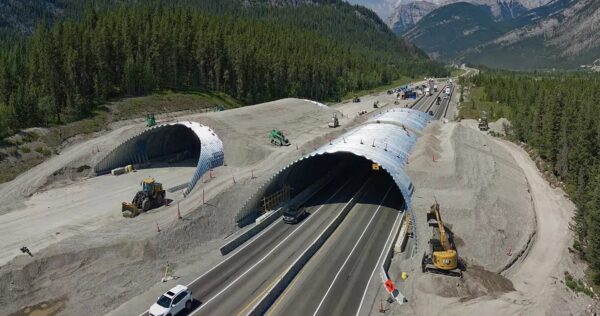
Corrugated Steel Animal Overpass Reduces Wildlife-Vehicle Collisions
The corrugated steel Stoney Nakoda Exshaw Wildlife Arch in Western Canada showcases the balance of engineering and environmental stewardship, setting a new standard for wildlife-friendly infrastructure.
 Sustainability
Steel Bridge Restores Fish Migration in Olympic National Forest
A new 70-foot steel bridge in the Olympic National Forest restores a vital fish passage, demonstrating steel’s durability and adaptability for environmentally sustainable infrastructure.