 Short Span Steel Bridges
American Steel Bridge Industry is Ready to Meet the Nation’s Infrastructure Needs
Article provided by the American Institute of Steel Construction and the National Steel Bridge Alliance.
“We’re excited that funding is finally becoming available to rejuvenate and improve America’s bridges. The American steel fabrication industry and our domestic steel mills are ready and able to meet our nation’s infrastructure needs,” stated Charles J. Carter, SE, PE, PhD, president of the American Institute of Steel Construction and executive director of the National Steel Bridge Alliance.
Carter will be discussing the current state of the fabrication industry during a special session at this year’s NASCC: The Steel Conference in Denver from March 23-25.
“Last summer, as a result of the ongoing pandemic, the structural steel industry experienced longer than normal lead times and extended delivery schedules, just like almost every construction material,” Carter explained. “Fortunately, the steel industry has almost fully recovered. And whether it’s raw steel or fabricated product, our members have the personnel, capacity, experience, and skill to successfully complete all of the anticipated projects.”
Steel Industry Has Capacity To Complete Anticipated Projects
Thanks to Buy America provisions, steel plate and structural steel used in bridge construction are widely available from domestic steel mills, so not subject to the current port delays most supply chains are currently experiencing.
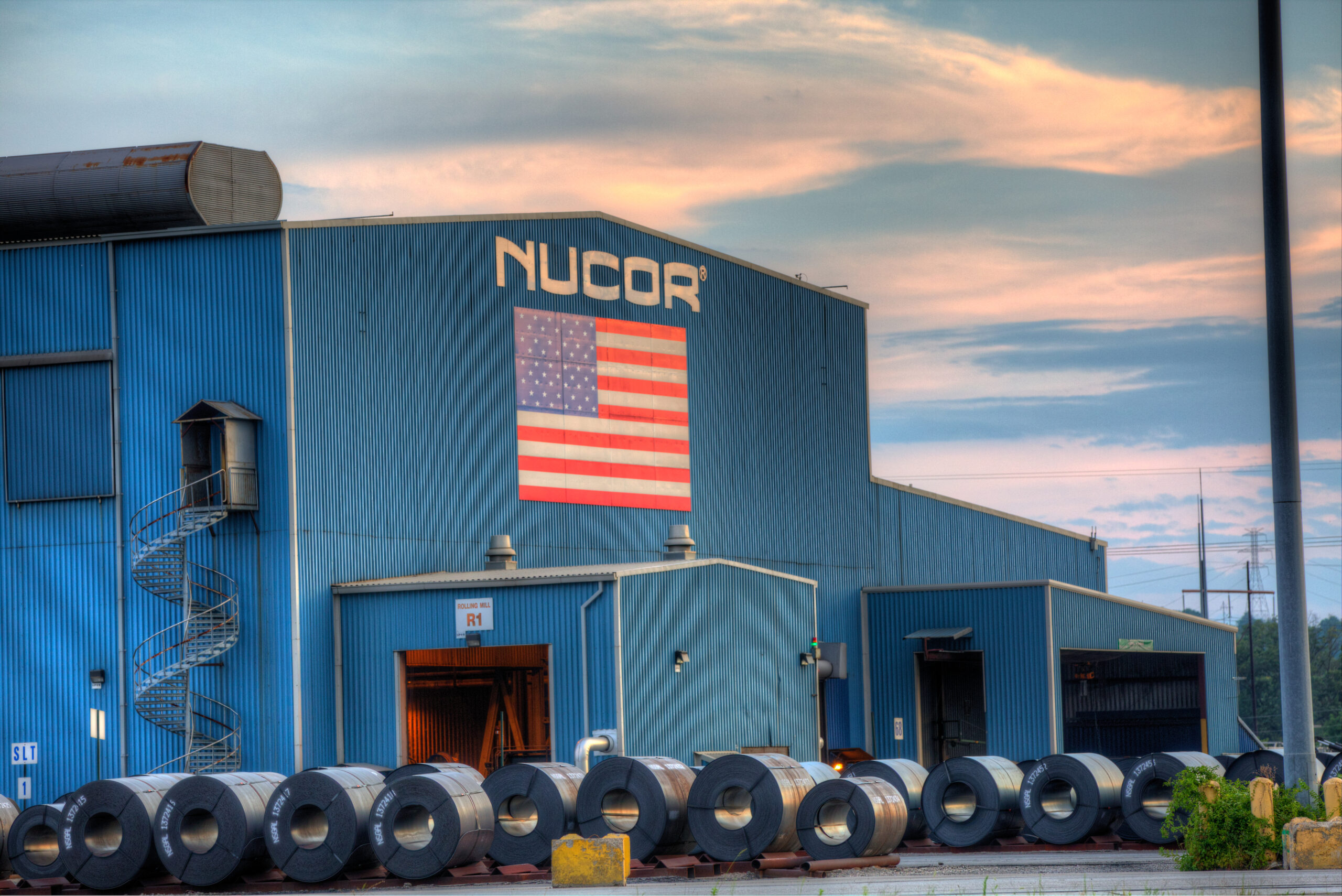
Nucor Corporation is adding a blast and prime line, with an annual capacity of approximately 120,000 tons, in Brandenburg, Kentucky (note – above picture is of the Nucor Steel Gallatin Plant).
Further, to accommodate the expected increased demand from the recently passed infrastructure bill, the steel industry is rapidly adding capacity, such as the $1.7 billion plate mill now under construction in Kentucky and additional upgrades being made by multiple steel producers.
According to steel mill representatives, the industry has the capacity to support both the current and expected future demand for steel. And on the fabrication side, many companies have upgraded their equipment, improved their automation, and increased their staffing in anticipation of increased bridge projects due to the new infrastructure bill.
Bridge Owners Look to Steel for Answers
To address the high number of structurally deficient structures, bridge owners and designers are looking to steel to fix our nation’s infrastructures. Why steel?
- Due to the light weight of steel, cost savings can be significant by using smaller abutments, local crews, and lighter equipment.
- Learn how Whitman County, Washington saved 32 percent by using steel for a bridge replacement project.
- Steel can compete and save costs when compared with nearly identical concrete structures.
- Learn how Audrain County, Missouri saved 19 percent by using steel in a side-by-side comparison of a steel versus concrete bridge.
- Steel bridges also have long lives, decreasing the need for replacement.
- Learn about the innovative press-brake tub girder system – it has a life expediency of over 100 years, with the first 60 of those years being maintenance-free.
- Steel bridges can be designed with prefabricated elements which provide a simpler installation and time savings.
- Learn how a prefabricated steel truss bridge was quickly erected to reconnect a community decimated after the Woolsey fire that swept through the Santa Monica Mountains.
- Habitat protection and environmental enhancements are major benefits of using buried steel bridges.
- Learn how a buried steel bridge provided a natural pathway for fish to spawn in Idaho.
- Steel is the world’s most recycled material and is infinitely recyclable, so it can be repurposed from one bridge project to another.
- Learn how Muskingum County, Ohio saved $51,000 in superstructure costs by repurposing steel beam for the replacement of the Green Valley Road Bridge.
Raw Materials Only Fraction of Bridge Cost
While availability and lead times were the hot topic last fall, today’s discussions focus more on the escalated pricing for all raw materials. John O’Quinn, president of High Steel Structures and chair of NSBA’s Market Development Committee, is quick to point out that raw material pricing represents only a fraction of the total cost of a bridge.
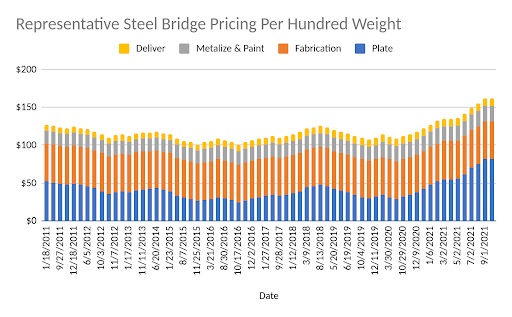
Raw material pricing represents only a fraction of the total cost of a bridge.
“You can not simply look at the change in plate pricing to fully gauge the cost of a bridge,” he explained. “We manage highly impactful variables including labor, materials, coating systems, erection, and even the timing of the project to best deliver bridges at a cost and schedule that meets each owner and project’s needs.”
Owners and designers with specific concerns about pricing and availability should contact either their regional NSBA representative or one of AISC’s more than 350 certified steel bridge fabricators.
Does steel provide a sustainable option for bridges?
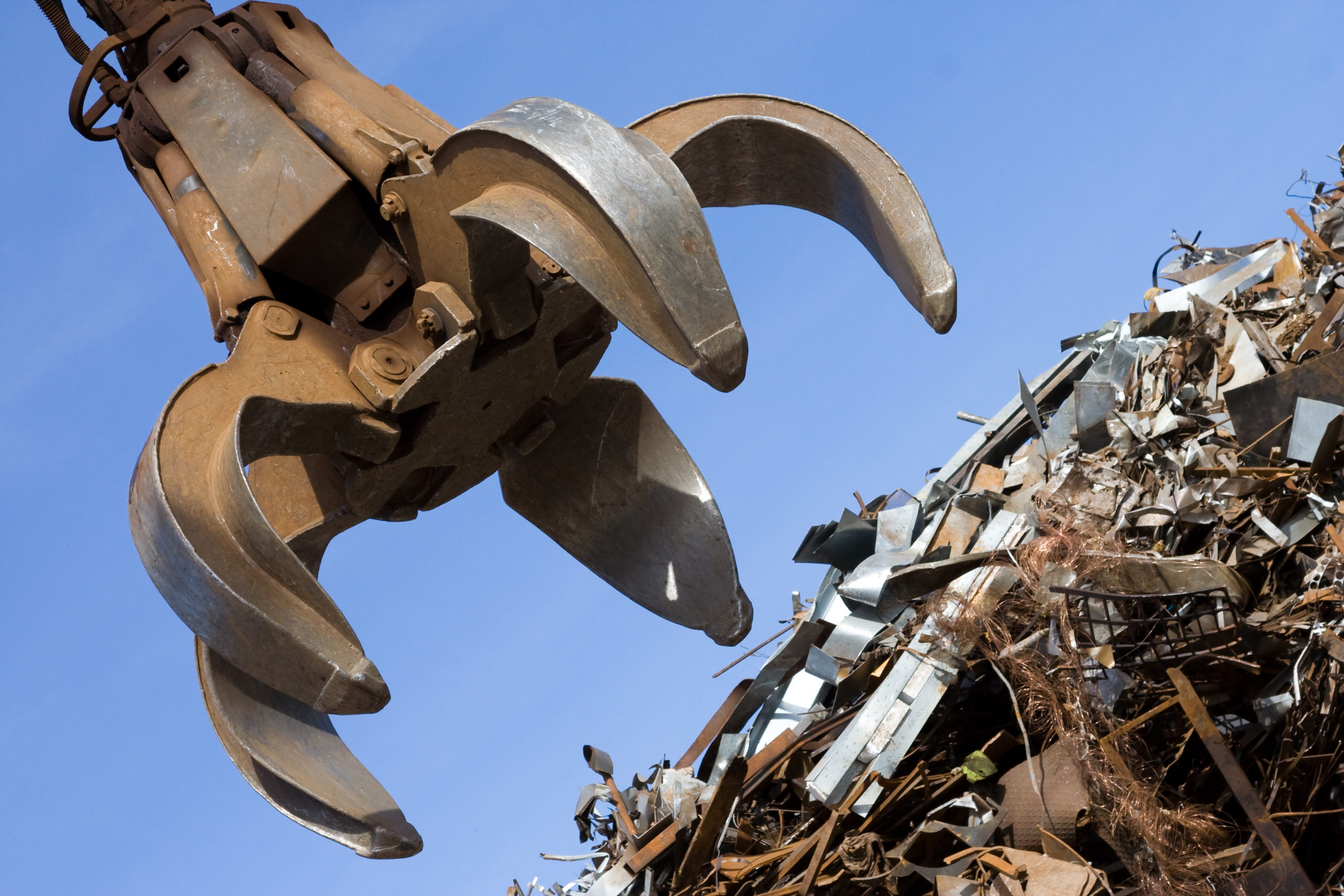
Steel is the most recycled material on the planet. Some of the sustainable advantages of steel include:
- Steel from a disassembled bridge can be used again for another project.
- Steel bridges can last 100 years or more, with minimal maintenance over their long service lives.
- The high strength of steel permits longer spans, which minimizes disruption to underlying habitats.
- Steel is highly resistant to extreme natural disasters such as earthquakes.
- The American steel industry has achieved a 31 percent reduction in energy intensity and a 36 percent reduction in greenhouse gas intensity since 1990.
 News
News
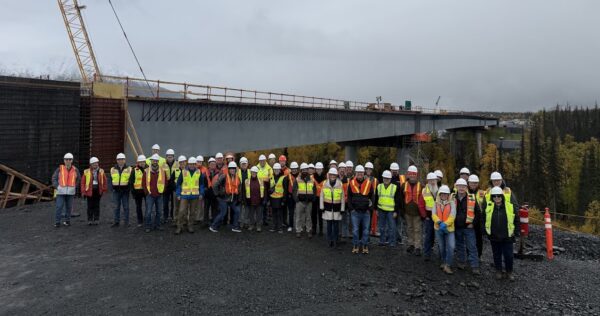
Bridge Task Force and AASHTO Steel Leaders Meet in Alaska
The Steel Bridge Task Force and AASHTO Steel and Metals Technical Committee met in Anchorage for technical presentations, project updates and industry recognition. The meetings concluded with an Alaska DOT hosted tour of the Juneau Creek Bridge and surrounding Sterling Highway construction.
 News
News
SSSBA to Present at North Central States Consortium in Omaha, NE (Sept. 28-30)
Dr. Michael Barker, University of Wyoming, will represent SSSBA at the North Central States Consortium (NCSC) in Omaha, Nebraska. His presentation (Tuesday, September 29, 1:30–2:15 p.m.) will explore how optimized plate girders can expand the range of steel solutions for bridges with spans of 60 to 100 feet.
 News
News
AISI Corrosion Advisory Group to Meet October 27 in Ohio
The AISI Corrosion Advisory Group (CAG) will meet October 27 at the Sherwin-Williams Research & Development Center in Ohio. Discussions will focus on corrosion research, coatings, steel durability and related industry needs.