 Short Span Steel Bridges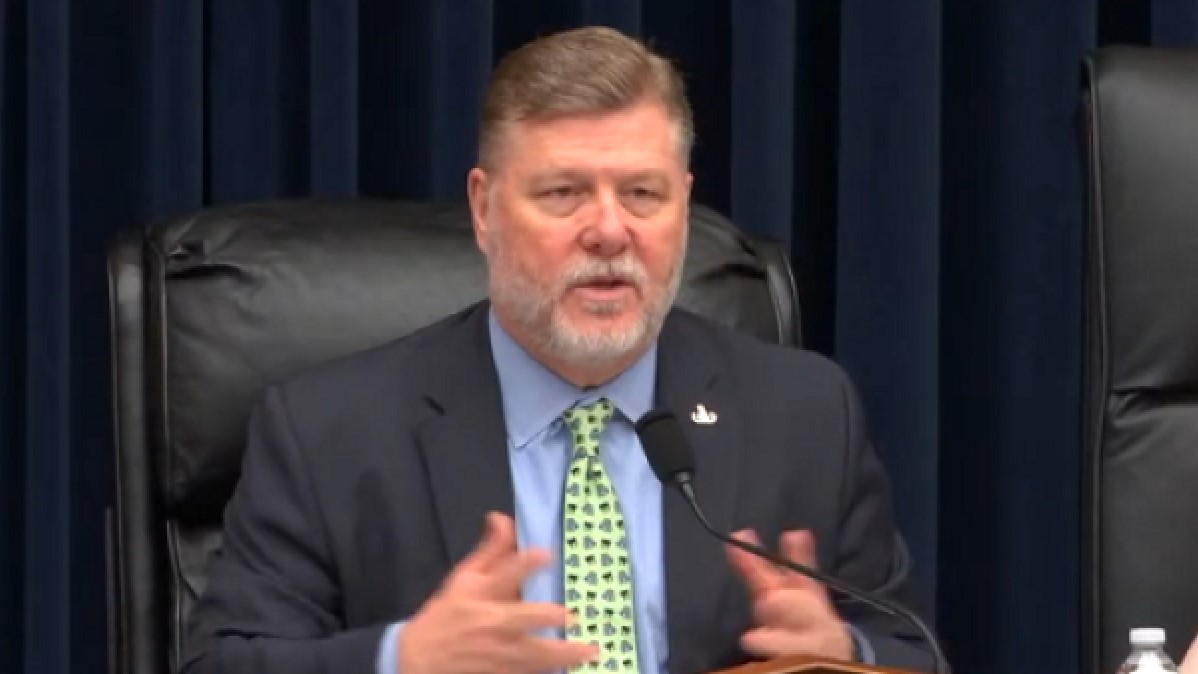
House Subcommittee Holds Hearing Focused on Rural Interstate and Transit Programs
Original article provided by American Association of State Highway and Transportation Officials (AASHTO).
The Subcommittee on Highways and Transit within the House of Representatives Transportation and Infrastructure Committee held a hearing on March 21 that focused on rural interstate and transit programs and the challenges they face.
Witnesses at the hearing included:
- Mike Koles, executive director of the Wisconsin Towns Association, on behalf of the National Association of Towns and Townships
- Jeff Greteman, president of Windstar Lines, on behalf of the American Bus Association
- Todd Morrow, executive director of Island Transit, on behalf of the Community Transportation Association of America
- Scott VanderWal, national vice president of the American Farm Bureau Federation.
Koles described the road system in America as a “human circulatory system” in his remarks, noting that “the nation’s interstate system forms our heart, [with] state highways functioning as the transportation system’s arteries and veins. And, like the human circulatory system, our local roads form the critical and vast majority of our capillaries that serve as the first and last mile of our economy.”
As a result, Koles offered suggestions for improving that situation, including:
- Adjusting Surface Transportation Block Grant Program or STBGP to target truly rural areas and first mile roads that service the fields, forests, farms, and quarries that feed the nation and provide building materials
- Expanding the use of STBGP that allow states to allocate up to 15 percent of funds dedicated to adjusted census-defined areas that have a population of 50,000 or lower either “rural minor collector” or “local” roadway projects
- Increasing funds for the federal bridge program and create a carve-out to include off-system non-state structures less than 20 feet
- Creating a more “stable, consistent, and enhanced funding stream” to support rural road and bridge maintenance and construction projects.
You can read more by viewing the original article using this link.
How Can the SSSBA Help?
The Short Span Steel Bridge Alliance (SSSBA) provides vital connections with industry stakeholders throughout the national infrastructure network. The SSSBA has developed technical and design innovations for bridges under 140 feet that save significant time and costs for county and state bridge officials.
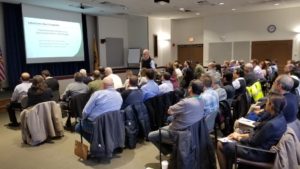
The SSSBA offers complimentary customized educational guest speakers/webinars and workshops (on-site or virtual) specifically for county engineers, state Departments of Transportation (DOTs) and design firms. The workshops are taught by industry experts with decades of experience in the cost-effective design and construction of short span bridges.
Past workshop presentation topics include:
- Practical and Cost-Effective Steel Bridge Design
- Free Design Tools (eSPAN140 and SIMON)
- Pre-engineered Bridge Solutions
- Coating Solutions (galvanized, painted, and weathering steel)
- Innovative/Accelerated Bridge Construction Options
- Case Studies (from local counties)
- Buried Soil Steel Bridge Structure Alternatives
- Life-Cycle Analysis
For more information, please visit this link. To customize a workshop for your organization, please contact:
- Dustin Young (Director of the SSSBA) at dyoung@steel.org or 412-580-1492.
Does the SSSBA offer educational opportunities?
Yes! The SSSBA offers educational opportunities to students and professionals:
Professionals: The SSSBA provides complimentary half-day or full-day workshops on short span steel bridge design to states, counties, and design firms. Topics covered include practical and cost-effective steel bridge design and fabrication with eSPAN140, press-brake-formed steel tub girders, steel buried bridge design, galvanized coating solutions, and economical design with case studies, and more. The workshops can take place virtually or in-person, compliments of the steel industry. Learn more.
Students: The University of Wyoming and the Short Span Steel Bridge Alliance created a free 6-part live-lecture educational series to cover the many aspects of designing, fabricating, and constructing steel bridges. All students who successfully complete the education series will receive a Certificate of Completion from the University of Wyoming. Learn more.
Speakers: The SSSBA provides expert speakers to present topics of interest on the cost-effective design and construction of short span steel bridges. If you need a speaker for your next event, contact the SSSBA.
 News
News
Missouri Steel Bridge Bundle Project Wins Prize Bridge Award
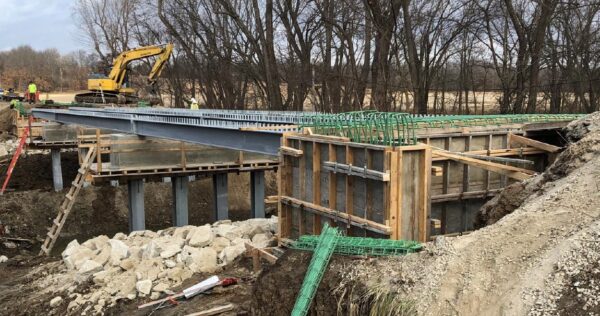
The National Steel Bridge Alliance (NSBA) named Missouri’s FARM Bridges Design/Build Bundle the 2026 Prize Bridge Award winner in the Short Span category. Fabricated by SSSBA member DeLong’s, the project delivered 31 rural bridges across 15 counties using galvanized steel and SDCL design for a 100-year service life.
 Design
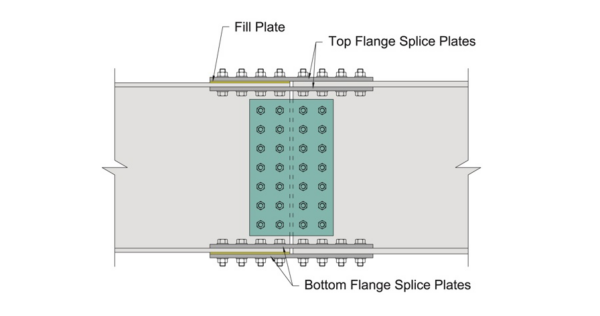
NSBA Releases Updated Bolted Splice Spreadsheet 4.01
NSBA’s Bolted Splice Spreadsheet 4.01 streamlines connection design with expanded options and updated AASHTO LRFD provisions for faster, more economical solutions.
 News
News
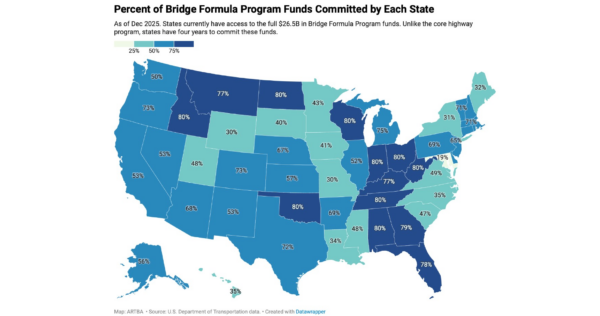
ARTBA Reports $15 Billion Committed Through Bridge Formula Program as Needs Remain
According to an ARTBA analysis, states have committed $15 billion through the bridge formula program, yet one in three bridges still needs work.