 Short Span Steel Bridges
Investing in Resilient Infrastructure Update
Above photo: This structure is an innovative multi-cell bridge (Colusa County, CA – built in 2006) featuring A709-50CR – a corrosion resistant steel which can be maintenance-free for the life of the bridge – more than 100 years.
More than 220,000 U.S. bridges, representing 36 percent of the national bridge inventory, need major repair work or should be replaced, according to an American Road & Transportation Builders Association (ARTBA) analysis.
As townships, counties, and Departments of Transportation (DOTs) work to rebuild or replace these deficient structures, they are faced with a challenge to implement solutions that are both durable and sustainable – designing bridges that will last 100 years and beyond.
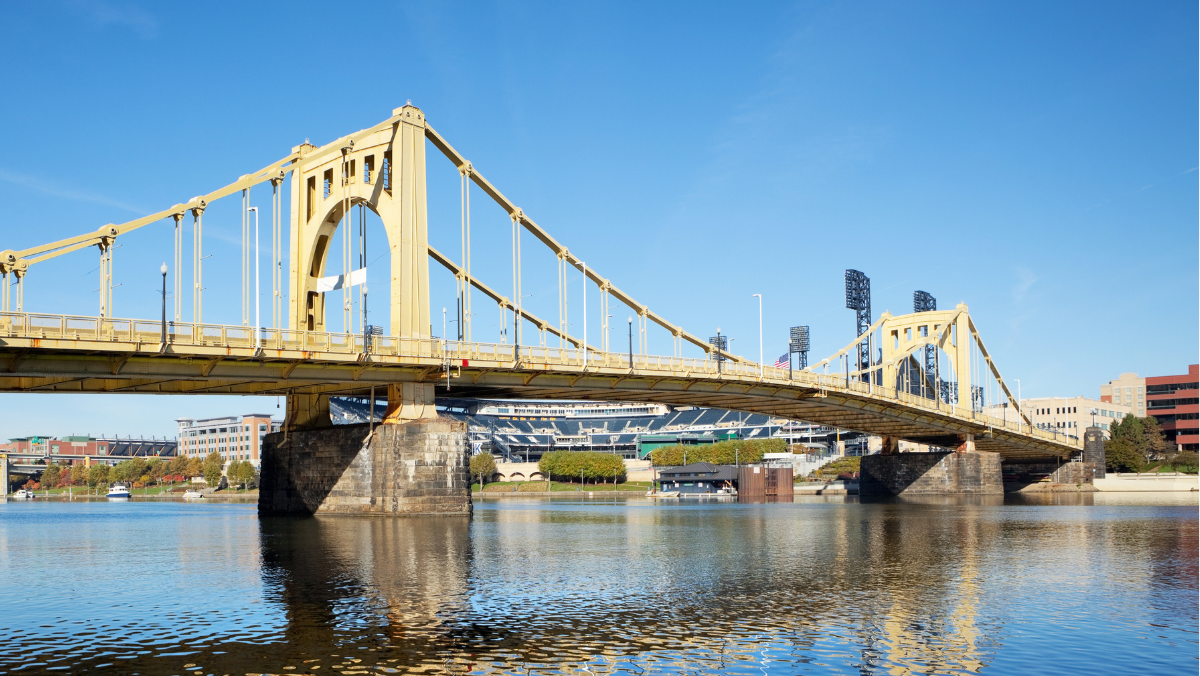
The Roberto Clemente Bridge was completed on September 29, 1928, and is still in service today.
Legislation Provides Investment for Resilient Infrastructure
Congress passed the Bipartisan Infrastructure Law (Infrastructure Investment and Jobs Act), a once-in-a-generation investment in our nation’s infrastructure and competitiveness.
According to the White House, the legislation is the largest investment in the resilience of physical and natural systems in American history. The legislation will make our communities safer and our infrastructure more resilient to the impacts of climate change and cyber-attacks, with an investment of over $50 billion to protect against droughts, heat, floods and wildfires, in addition to a major investment in weatherization.
The law, to be administered by FHWA, represents the single largest dedicated bridge investment since the construction of the interstate highway system – providing $26.5 billion to states, the District of Columbia and Puerto Rico over five years and $825 million for Tribal transportation facilities.
A Biden administration official said, “This money is needed to address the 43,000 bridges across our country that are in poor condition.” The official added that the program is expected to upgrade as many as 15,000 bridges nationwide.
Update on Spending
The U.S. DOT recently released $830 million for 80 projects around the country that will make surface transportation systems more resilient to extreme weather such as flooding, sea-level rise and heat waves, according to an agency press release. These grants are the first of their kind dedicated to transportation infrastructure resilience, according to the agency.
The money is expected to bolster bridges, roads, ports, rail, transit and other infrastructure across 37 heavily impacted states, Washington, D.C. and the Virgin Islands.
This is the latest federal effort to mitigate the impacts of climate change. President Joe Biden has earmarked more than $50 billion for climate-related projects through the Infrastructure Investment and Jobs Act and the Inflation Reduction Act, per the release.
Why is This Spending Necessary?
Extreme weather is becoming more frequent and severe due to climate change and is causing increased damage to U.S. transportation systems and supply chains, which were primarily designed before climate impacts were taken into consideration.
“From wildfires shutting down freight rail lines in California to mudslides closing down a highway in Colorado, from a drought causing the halt of barge traffic on the Mississippi River to subways being flooded in New York, extreme weather, made worse by climate change, is damaging America’s transportation infrastructure, cutting people off from getting to where they need to go, and threatening to raise the cost of goods by disrupting supply chains,” said U.S. Transportation Secretary Pete Buttigieg in the release.
Who are the Funding Recipients?
The funding recipients include:
- South Dakota’s Oglala Sioux Tribe will receive $60 million to improve two sections of BIA Route 33.
- Cedar Rapids, Iowa, will receive $56.4 million to replace the 86-year-old Arc of Justice Bridge, crucial for emergency services during extreme flooding.
- Davis, California, will get nearly $24 million to install cool pavement technologies to combat the urban heat island effect and rehabilitate the parts of the roadway.
- Golden, Colorado, will receive $23.8 million to control flooding in Lena Gulch.
- Philadelphia will receive $14 million to rehabilitate two deteriorating bridges over Wissahickon Creek.
The newly released money comes through the IIJA’s Promoting Resilient Operations for Transformative, Efficient, and Cost-saving Transportation discretionary grant program, which complements the PROTECT Formula funding that is already flowing to states for these types of projects.
The grants take four forms:
- $621 million in resilience improvement funds will be granted to 36 recipients for enhancing drainage, roadways and other upgrade projects.
- $119 million in coastal infrastructure funding will be divided among eight projects.
- $45 million in community resilience and evacuation grants will go to 10 projects.
- $45 million in planning grants will be split among 26 projects.
To read more on this funding, please visit this link.
Additional Sustainability Blog Posts:
- Investing in a Resilient Infrastructure With Steel (read now)
- What is a Sustainable Bridge? (read now)
- Extending the Life of a Steel Bridge: 100 Years and Beyond (read now)
- Overview of Green Bridge Rating Systems (read now)
- The Rehabilitation and Repair of Steel Bridges (read now)
- The American Steel Industry: Meeting the Global Demand for a Sustainable Infrastructure and Educated Workforce (read now)
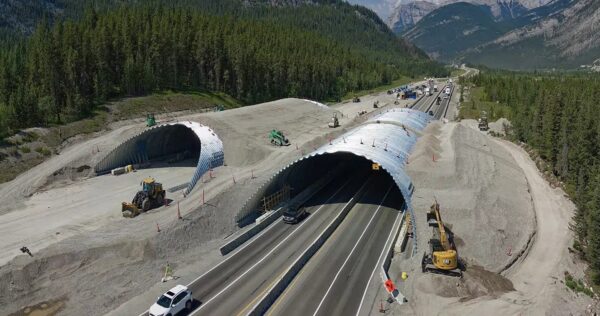 Buried Bridge
Corrugated Steel Animal Overpass Reduces Wildlife-Vehicle Collisions
The corrugated steel Stoney Nakoda Exshaw Wildlife Arch in Western Canada showcases the balance of engineering and environmental stewardship, setting a new standard for wildlife-friendly infrastructure.
 Sustainability
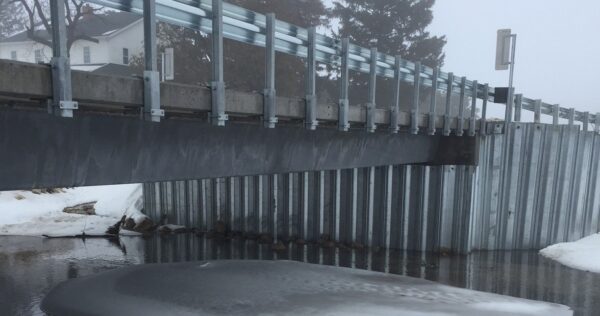
Steel Bridge Restores Fish Migration in Olympic National Forest
A new 70-foot steel bridge in the Olympic National Forest restores a vital fish passage, demonstrating steel’s durability and adaptability for environmentally sustainable infrastructure.
 Sustainability
Infrastructure Week 2024 Recording: Preservation of Steel Bridges
In this webinar recording, industry experts discuss the most effective methods to preserve steel bridges.