 Short Span Steel Bridges
Overview of Sustainable Infrastructure Rating Systems
With the success of the U.S. Green Building Council’s Leadership in Energy and Environmental Design (LEED) program, several rating systems have been developed over the past decade to address sustainable infrastructure practices.
While these systems are not required, they provide guidance for bridge owners and designers who are interested in developing projects with enhanced sustainable attributes. While there are many rating systems used throughout the world, the focus of this summary is specific to infrastructure rating systems used within the United States.
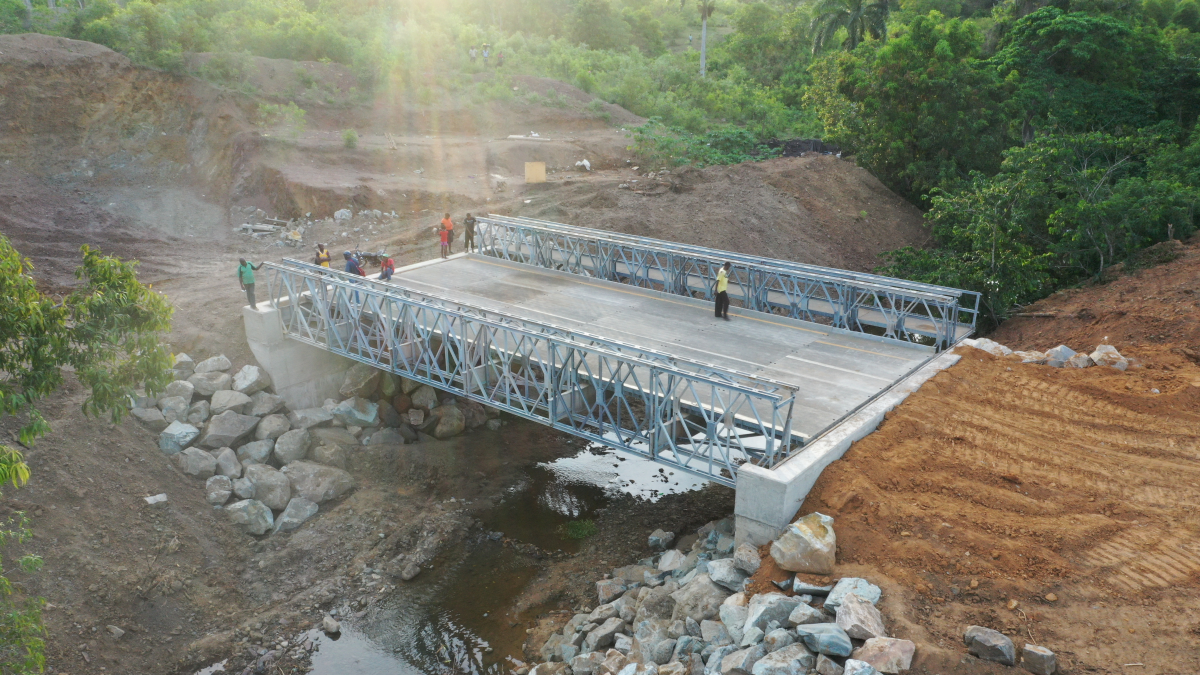
Instead of selling the bridge for scrap, the Fore River Bridge was repurposed to help a remote community in Haiti gain access their nearby hospital.
Good and Bad Qualities of Sustainable Rating Systems
Currently, there is not a widely accepted standard or practice for rating the sustainability of infrastructure. Yet, bridge owners and designers are beginning to consider sustainable design details and construction options for their projects. According to the Federal Highway Administration (FHWA), rating systems are particularly appealing because they:
- Provide a common metric (points) for the entire range of sustainable solutions.
- Measure sustainability and thus make it manageable.
- Allow for straightforward communication of sustainability goals, efforts and achievement.
- Provide a reasonable context within which designers, contractors and material suppliers can be innovative in their solutions.
However, rating systems are often criticized because:
- They tend to sacrifice detail for simplicity.
- It is difficult to generate consensus on which items to include/exclude.
- They do not capture the entire scope of sustainable solutions.
- Their use in blindly pursuing points as part of a rating system could trump good design/construction.
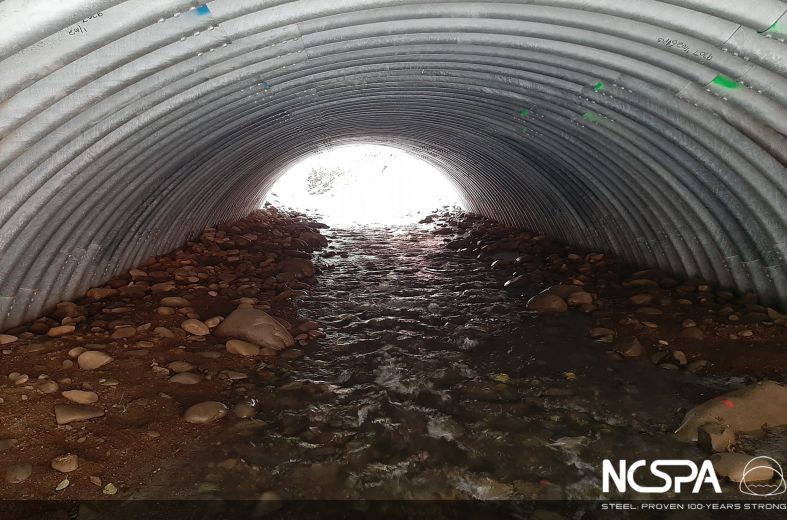
The Johnson Creek Buried Bridge project involved removing a fish barrier and replacing it with a fish-friendly, bottomless arch, allowing salmon to successfully move upstream during the spawning season.
Overview of Three Sustainability Rating Systems
There are three prevalent sustainable infrastructure rating systems currently used in the United States. According to RS&H’s Inc., the sustainability rating systems are organized in a variety of ways and most possess the following key tenets:
- Project-specific rating systems through the full project life cycle (planning through operations).
- Credentialing programs that allow individuals to earn program-specific credentials.
The three systems are as follows:
Envision
Envision was developed by the Institute for Sustainable Infrastructure (ISI) in collaboration with the Zofnass Program for Sustainable Infrastructure at Harvard University’s Graduate School of Design. The American Public Works Association (APWA), the American Society of Civil Engineers (ASCE) and the American Council of Engineering Companies (ACEC) founded ISI and remain integral supporters. ISI describes the system as a holistic sustainability framework and rating system that enables a thorough examination of the sustainability and resiliency of all types of civil infrastructure.
Envision includes 64 sustainability and resilience indicators, called credits, organized around five categories:
- Quality of Life
- Leadership
- Resource Allocation
- Natural World
- Climate and Resilience
Greenroads
Greenroads was originally created through a partnership of the University of Washington and CH2M HILL. Today, it is independently owned and operated by Greenroads International, a 501(c)(3) non-profit corporation which advances sustainability education and initiatives for transportation infrastructure.
The points-based system draws from five core areas:
- Environment & Water (26%)
- Materials & Design (21%)
- Construction Activities (18%)
- Access & Livability (18%)
- Utilities & Controls (17%)
INVEST
INVEST (Infrastructure Voluntary Evaluation Sustainability Tool), developed by FHWA, is a web-based self-evaluation tool comprised of voluntary sustainability best practices, called criteria, which cover the full life cycle of transportation services, including system planning, project planning, design, and construction, and continuing through operations and maintenance. FHWA developed INVEST for voluntary use by transportation agencies to assess and enhance the sustainability of their projects and programs.
There are 81 criteria within INVEST organized by module:
- System Planning for States (SPS) includes 16 criteria plus one bonus criteria that agencies are eligible for based on their scores on the first three criteria.
- System Planning for Regions (SPR) includes 16 criteria plus one bonus criterion that agencies are eligible for based on their scores on the first three criteria.
- The Project Development (PD) module includes 33 criteria that are generally organized from planning to design to construction.
- The Operations & Maintenance (OM) module includes 14 criteria including four aimed at internal operations and 10 focused on maintenance and operations of the highway system.
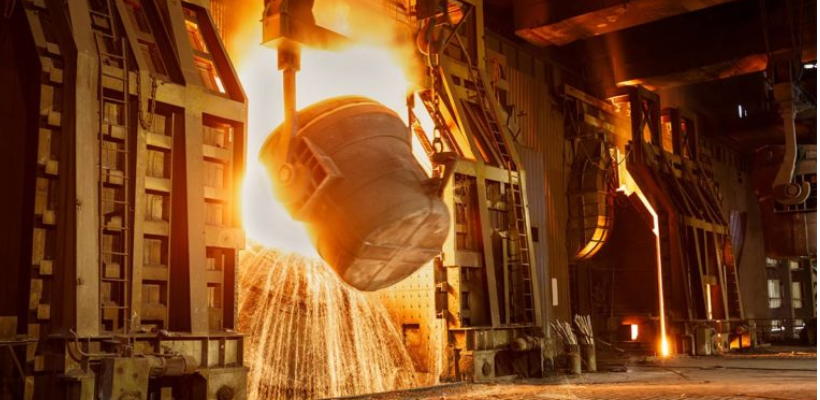
The American steel industry is the cleanest and most energy-efficient of the leading steel industries in the world.
Steel Provides Sustainable Infrastructure Solutions
Steel has a vital role in infrastructure through replacement and new construction of bridges, roadways, guiderails and utility structures. Infrastructure also includes the energy grid, energy development and transmission, water infrastructure and public safety—all of which use steel.
Government policies and infrastructure ratings should promote the American steel industry’s competitiveness to facilitate its role in reducing CO2 emissions while minimizing negative impacts on domestic production and employment.
The American steel industry is the cleanest and most energy-efficient of the leading steel industries in the world. Of the seven largest steel-producing countries, the U.S. has the lowest CO2 emissions per ton of steel produced and the lowest energy intensity. By contrast, Chinese steel production creates CO2 emissions that are almost 2.5 times higher—and uses 50 percent more energy compared to the U.S.— per ton of steel produced.
Future of Sustainable Infrastructure
To date, extensive research has been performed on building sustainability rating systems, while there is relatively little research on infrastructure sustainability rating systems. In 2018, one study was conducted by Colorado State University to evaluate the consistency between infrastructure rating systems in measuring sustainability. The results of the study showed that rating systems assess and reward sustainability practices differently. In some systems, it was easier for a project to get awarded in comparison to others. However, there was some consistency in the quality of life/social performance of projects.
Although it does not appear one system will predominate in the near future, there is evidence that creating a more sustainable infrastructure will gain further momentum in the upcoming years. In the American Jobs Plan, the Biden administration has proposed $115 billion to address America’s aging and outdated infrastructure, including $40 billon for a bridge improvement program. According to the White House, the investment in our roads and bridges will use more sustainable and innovative materials – creating a safer, more reliable and highly resilient infrastructure.
According to Engineering News-Record, to build the sustainable infrastructure needed to reinvigorate America’s economy, the construction industry must work together more efficiently and productively. For infrastructure assets to be produced sustainably, more collaboration among construction stakeholders is needed.
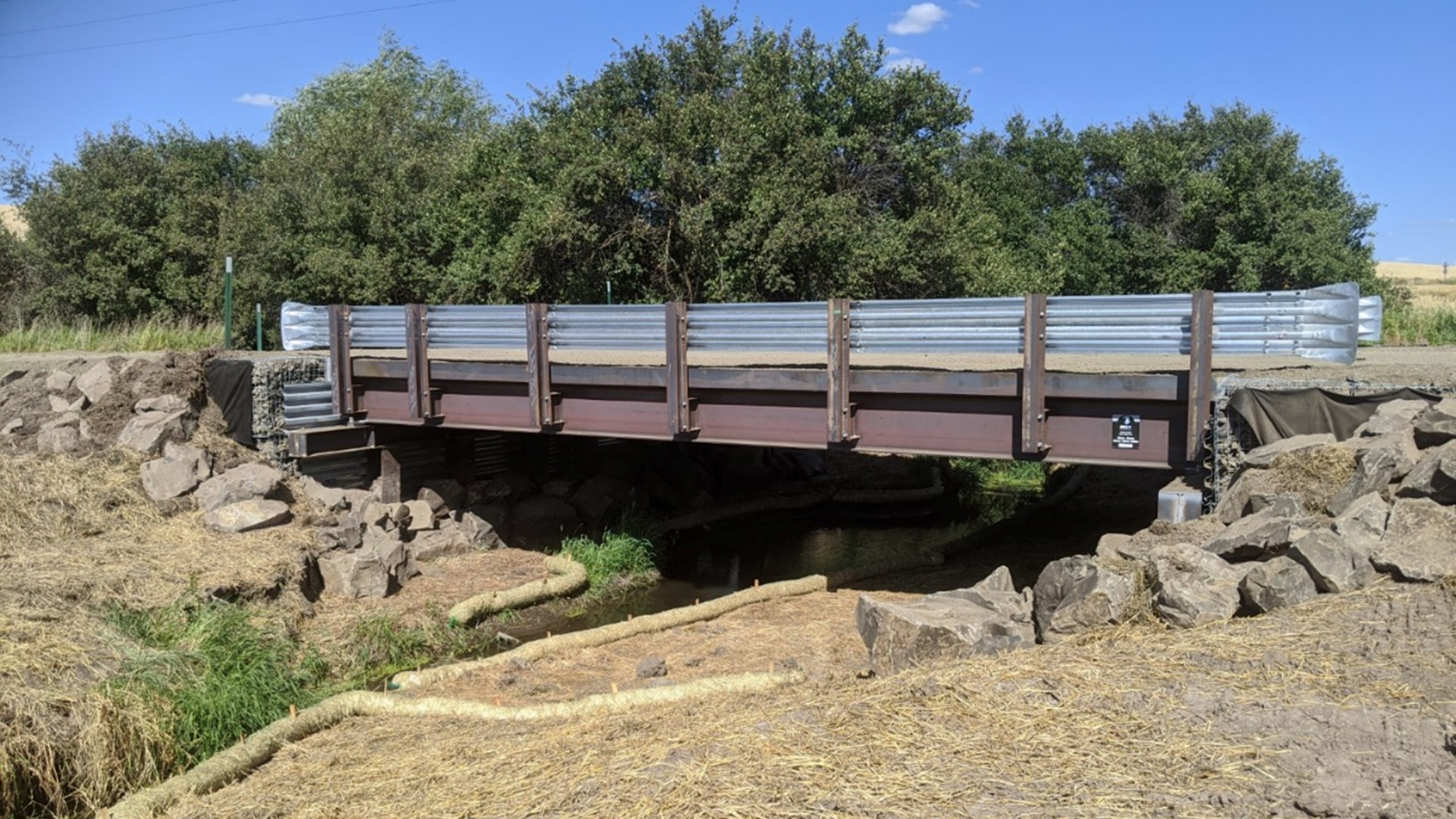
Whitman County, Washington, saved 32%, in comparison to concrete, for the Seltice-Warner Bridge project. Steel bridges are lighter in weight, resulting in economies in required construction equipment and substructure costs.
Conclusion
More than 220,000 U.S. bridges, representing 36 percent of the national bridge inventory, need major repair work or should be replaced. With advances in steelmaking technology, innovative design, and corrosion protection systems, steel bridges can improve our nation’s infrastructure with sustainable solutions that will last well into the next century.
The American steel industry is committed to manufacturing products and implementing processes that achieve environmental, social, and economic sustainability. Steel bridges can meet, and in some cases exceed, the material and construction requirements associated with the sustainability rating systems.
Additional Sustainability Blog Posts:
- What is a Sustainable Bridge? (read now)
- Extending the Life of a Steel Bridge: 100 Years and Beyond (read now)
- Overview of Green Bridge Rating Systems (read now)
- The Rehabilitation and Repair of Steel Bridges (read now)
- The American Steel Industry: Meeting the Global Demand for a Sustainable Infrastructure and Educated Workforce (read now)
- Steel Bridges: Impact on the Community and Surrounding Environment (coming soon)
- Climate Change, Steel Bridges (coming soon)
- Economics: Affordable Sustainable Steel Bridges (coming soon)
- Sustainability: Material Selection and Bridge Configuration (coming soon)
- Advanced Grades of Steel for Sustainable Bridges Solutions (coming soon)
Does steel provide a sustainable option for bridges?
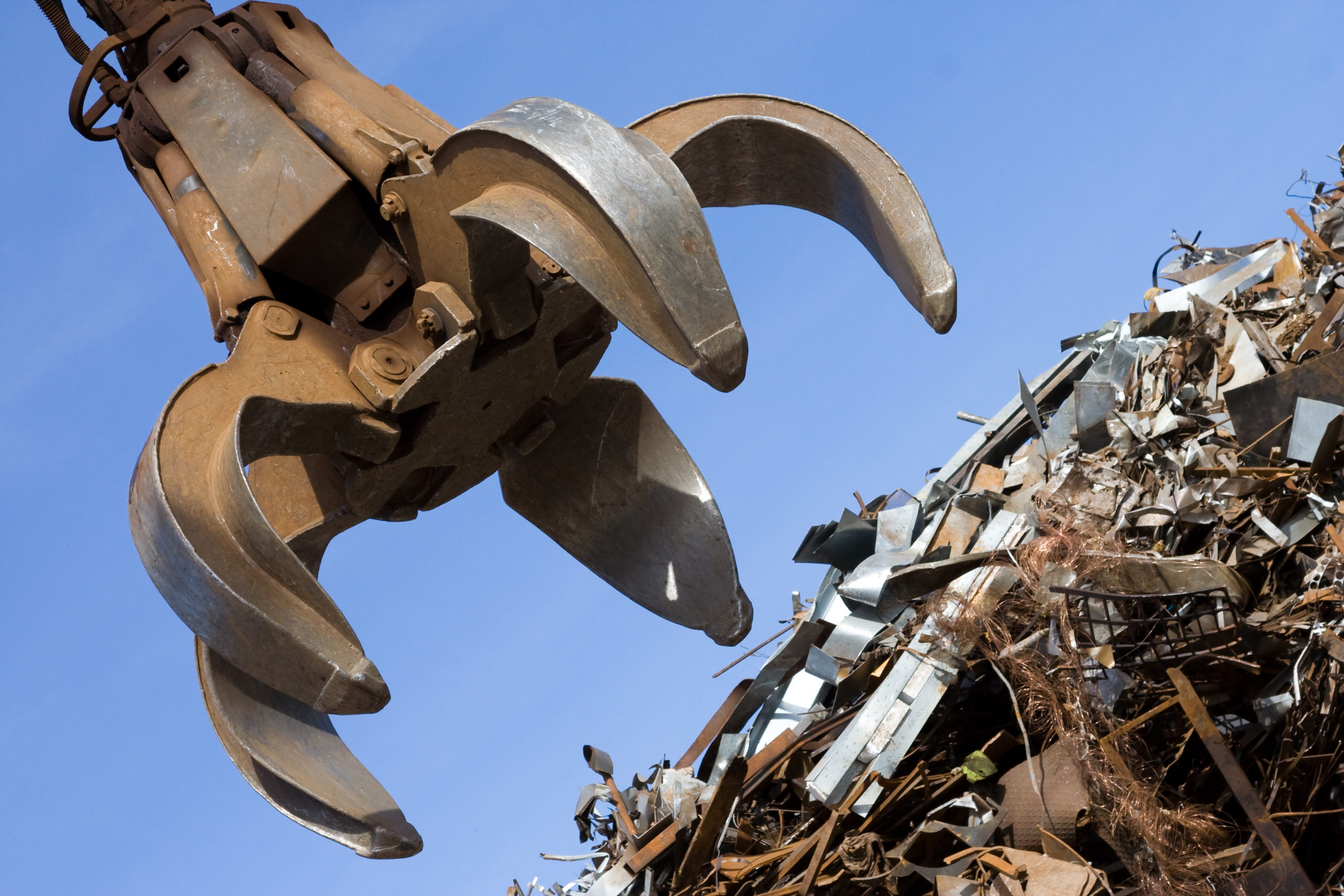
Steel is the most recycled material on the planet. Some of the sustainable advantages of steel include:
- Steel from a disassembled bridge can be used again for another project.
- Steel bridges can last 100 years or more, with minimal maintenance over their long service lives.
- The high strength of steel permits longer spans, which minimizes disruption to underlying habitats.
- Steel is highly resistant to extreme natural disasters such as earthquakes.
- The American steel industry has achieved a 31 percent reduction in energy intensity and a 36 percent reduction in greenhouse gas intensity since 1990.
 News
News
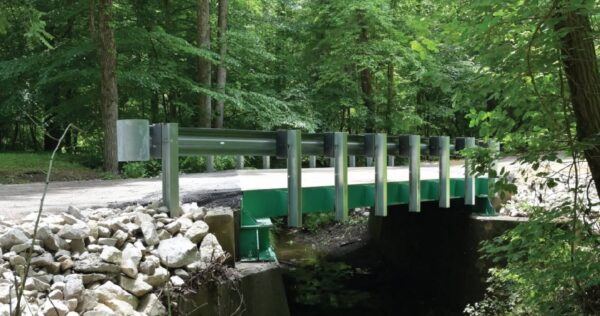
WV DOT Completes Fast-Track Bridge Project with Steel
WV DOT completed a fast-track bridge project using salvaged steel beams from a nearby overpass to restore a 20-foot bridge in West Virginia.
 Buried Bridge
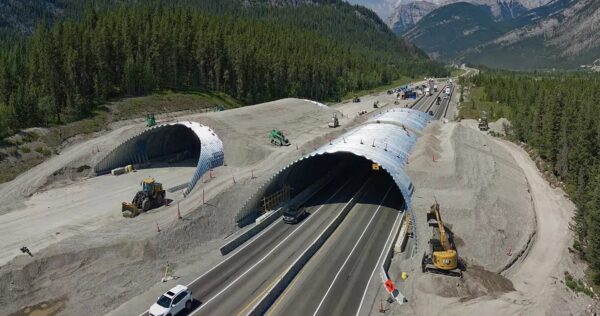
Corrugated Steel Animal Overpass Reduces Wildlife-Vehicle Collisions
The corrugated steel Stoney Nakoda Exshaw Wildlife Arch in Western Canada showcases the balance of engineering and environmental stewardship, setting a new standard for wildlife-friendly infrastructure.
 Sustainability
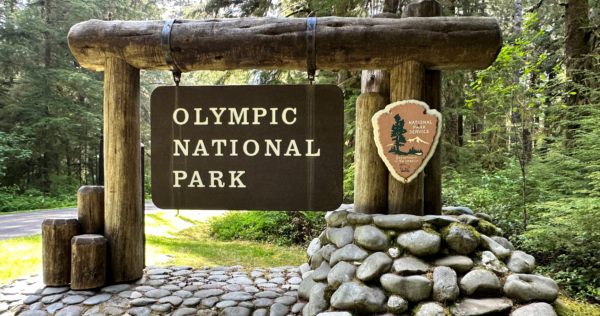
Steel Bridge Restores Fish Migration in Olympic National Forest
A new 70-foot steel bridge in the Olympic National Forest restores a vital fish passage, demonstrating steel’s durability and adaptability for environmentally sustainable infrastructure.