 Short Span Steel Bridges
Six Reasons Steel Provides a Sustainable Bridge Solution
Above Image: Muskingum County Ohio, fabricated the Green Valley Road Bridge with repurposed steel beams salvaged from a previous bridge replacement – saving $51,000.
Increasingly, bridge owners and designers are emphasizing the importance of sustainability in repair and replacement projects. The impact of the bridge on the environment has become an important consideration when choosing a material.
With advances in steelmaking technology, innovative design, and corrosion protection systems, steel bridges can improve our nation’s infrastructure with sustainable solutions that will last well into the next century.
Six Reasons Steel Provides a Sustainable Solution for Bridge Structures
1. Long Service Life
Sustainability experts suggest that the best way to create a sustainable infrastructure is by extending the service life of a bridge. By implementing procedures to systematically design for service life and durability, new steel bridges can achieve life spans of more than 100 years.
- There are thousands of 100-year-old steel bridges still in service across the nation.
- The innovative press-brake steel tub girder system has a life expectancy of more than 100 years, with the first 60 of those years being maintenance-free.
- Galvanized steel bridges can protect against corrosion for up to 100 years.
- The use of weathering steel can extend the life of a steel bridge up to 120 years.
- ASTM A709 Grade 50CR is a highly corrosion-resistant steel which performs extremely well in corrosive environments and can significantly extend the service lives of steel bridges.
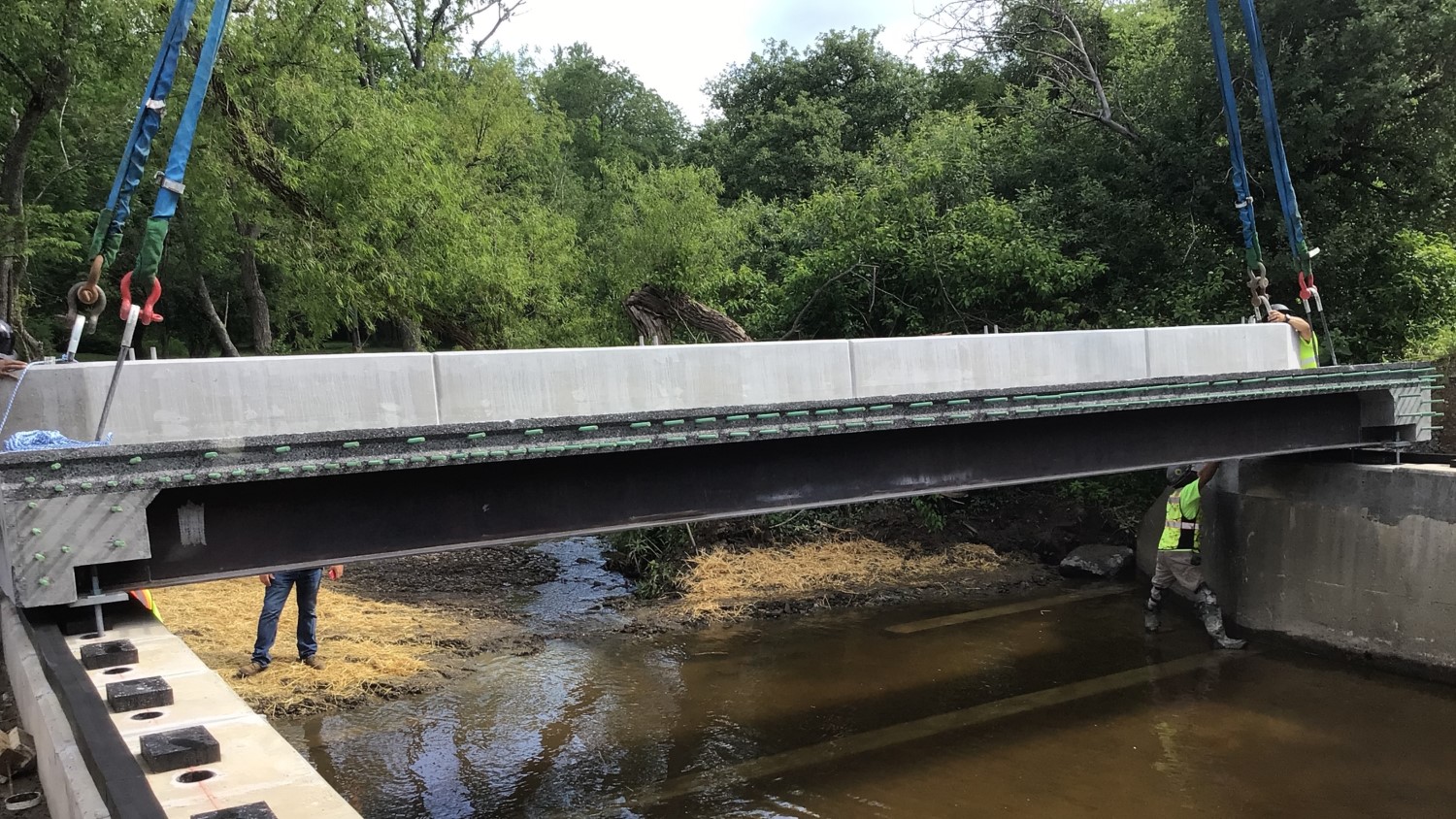
The Pennsylvania DOT implemented an innovative design to extend the service life for a new bridge currently being installed. The concept uses a Flex Beam bridge system combined with corrosion-resistant A709-50CR steel.
2. Ease of Inspection
Hidden defects in a concrete bridge are often very difficult to detect and can require a complete demolition/rebuild. Structural steel components are visible and any signs of corrosion are clearly apparent at an early stage of deterioration, making the bridge easier to inspect. If signs of deterioration are present during a routine inspection, steel bridges can be efficiently repaired and remain in service, rather than requiring complete replacement.

It is easier to inspect and determine the structural state of a steel bridge where all the components are visible.
3. Ease of Repair
Bridges are subject to damage caused by overload, high and/or wide load impacts, vehicle collision, fire and structural vandalism. While damage to a concrete bridge may require a total replacement, standard techniques and procedures can be used to repair a steel bridge with little disruption to the traveling public.
- Heat Straightening: For over 50 years, heat-straightening techniques have been applied to bends and distortions in order to restore the original shape of steel elements. The ability to repair damaged structural steel members in place, often without the need for temporary shoring, allows a steel bridge to remain in service without the need for total replacement.
- Example: Rebuilding the MacArthur Maze in 26 Days With Steel (Oakland, CA)
4. Strengthening for Increased Loads
There has been a steady increase in the weight and volume of traffic crossing our nation’s state and local bridges. In addition, overloading vehicles is a common occurrence. As a result, many bridges are now required to carry loads significantly greater than their original design loads. Cost-effective and durable systems have been developed to quickly strengthen a steel bridge, while keeping the bridge in service with minimal traffic disruption.
- The FHWA developed two design examples which involve the addition of steel-strengthening material to extend the design life of an existing bridge: Steel Truss Member Strengthening Design Example and Plate Girder Shear and Flexural Strengthening Design Example.

The original reinforced concrete slab Evans Mill Road Bridge (Peoria, IL) could not handle the loads of the equipment from local farmers. It was replaced with a press-brake tub girder bridge to increase load capacity.
5. Recycle/Repurpose
Steel is the world’s most recycled material and is continuously recyclable, so it can be repurposed from one bridge project to another.
- Muskingum County, Ohio saved $51,000 in superstructure costs by repurposing a steel beam for the replacement of the Green Valley Road Bridge.
- The Fore River Temporary Bridge (Massachusetts) was repurposed to become the New Riviere Cochon Gras Bridge (Haiti).

Instead of selling the bridge for scrap, the Fore River Bridge was repurposed to help a remote community in Haiti gain access their nearby hospital.
6. Habitat Protection
Habitat protection and environmental enhancements are major benefits of using steel bridges.
- The high strength of steel permits longer spans which minimizes disruption to underlying habitats.
- Buried steel bridges can provide natural pathways for animals to cross aboveground and for fish to spawn belowground. Example: A buried steel bridge provided a natural pathway for fish to spawn in Idaho.

The new Falcon Ridge fish passage structure provides for easy fish passage for the local spawning trout and steel head.
Sustainability Tools and Resources
The Short Span Steel Bridge Alliance (SSSBA) and its partner organizations have developed tools and educational resources to train the current and future workforce on the use of steel to create a more durable and sustainable infrastructure.
Does steel provide a sustainable option for bridges?
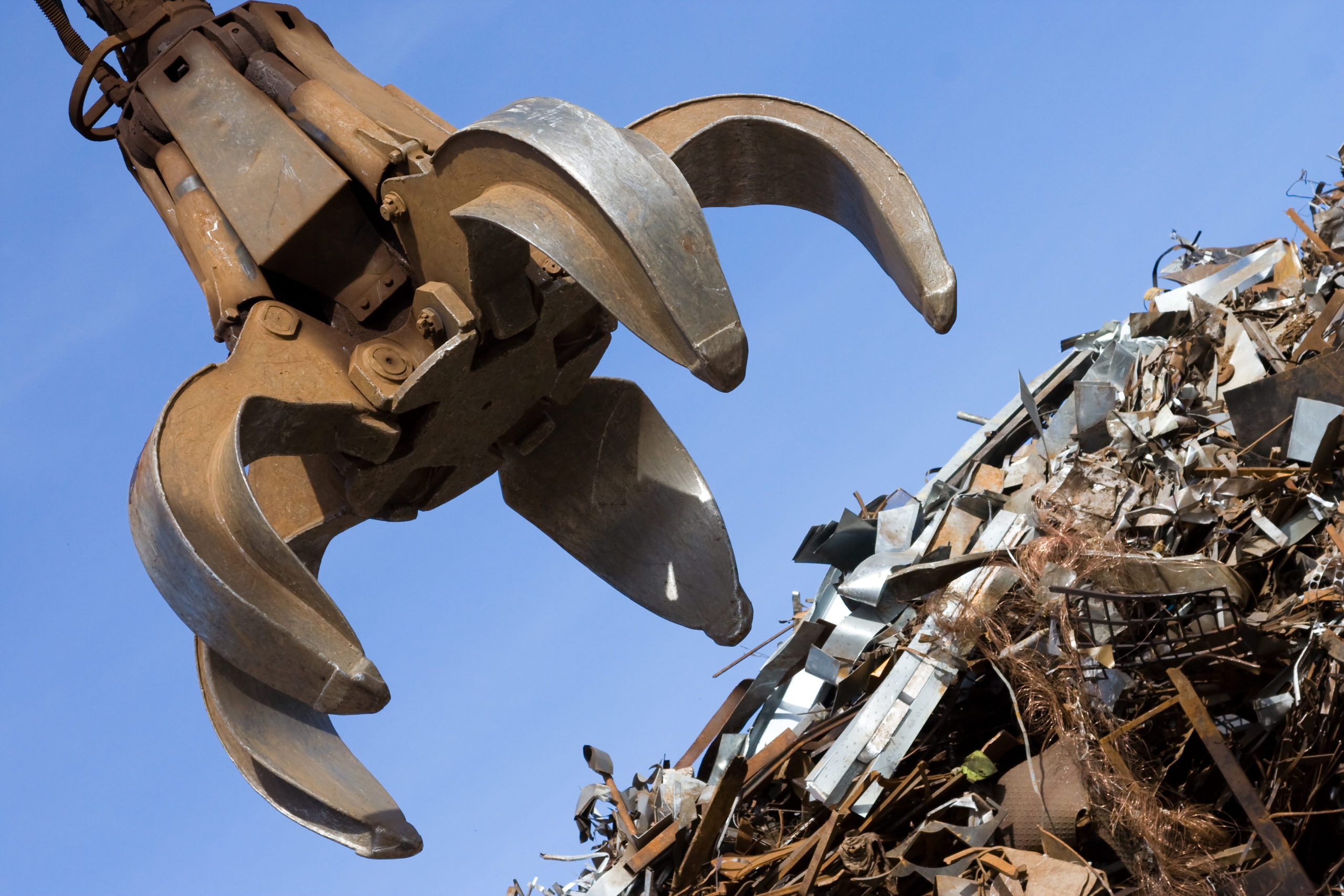
Steel is the most recycled material on the planet. Some of the sustainable advantages of steel include:
- Steel from a disassembled bridge can be used again for another project.
- Steel bridges can last 100 years or more, with minimal maintenance over their long service lives.
- The high strength of steel permits longer spans, which minimizes disruption to underlying habitats.
- Steel is highly resistant to extreme natural disasters such as earthquakes.
- The American steel industry has achieved a 31 percent reduction in energy intensity and a 36 percent reduction in greenhouse gas intensity since 1990.
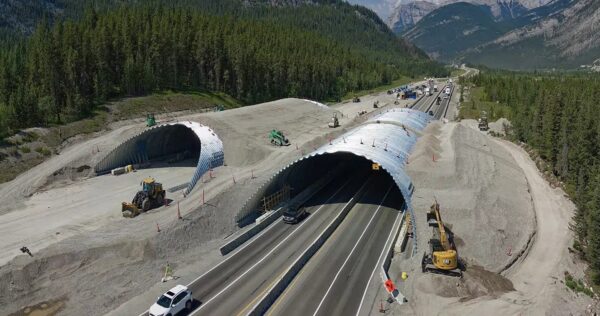 Buried Bridge
Corrugated Steel Animal Overpass Reduces Wildlife-Vehicle Collisions
The corrugated steel Stoney Nakoda Exshaw Wildlife Arch in Western Canada showcases the balance of engineering and environmental stewardship, setting a new standard for wildlife-friendly infrastructure.
 Sustainability
Steel Bridge Restores Fish Migration in Olympic National Forest
A new 70-foot steel bridge in the Olympic National Forest restores a vital fish passage, demonstrating steel’s durability and adaptability for environmentally sustainable infrastructure.
 Sustainability
Infrastructure Week 2024 Recording: Preservation of Steel Bridges
In this webinar recording, industry experts discuss the most effective methods to preserve steel bridges.