 Short Span Steel Bridges
Sustainability of Steel in Infrastructure
Steel can be recycled over and over again and remade without any loss of quality.
The National Institute of Standards and Technology notes that “steel has become one of the most reliable, most used and most important materials of the age.”
As an advanced engineered material, steel is the material of choice by engineers and architects because of its strong performance characteristics, durability, reliability, versatility in design and consistency as a product.
Structural steel produced in North America typically contains 90 percent or more recycled steel and is continually and completely recyclable.
While many other products can only be downcycled into a lower-quality product, steel can be recycled over and over again and remade without any loss of quality. While many construction sites may have large amounts of construction and demolition waste to dispose, using steel will minimize that problem as it can be easily recycled responsibly.
When steel construction products have outlived their current intended use, they can be recycled into new steel to be used for any variety of new products. Today’s steel beam can become tomorrow’s refrigerator, soup can or car door.
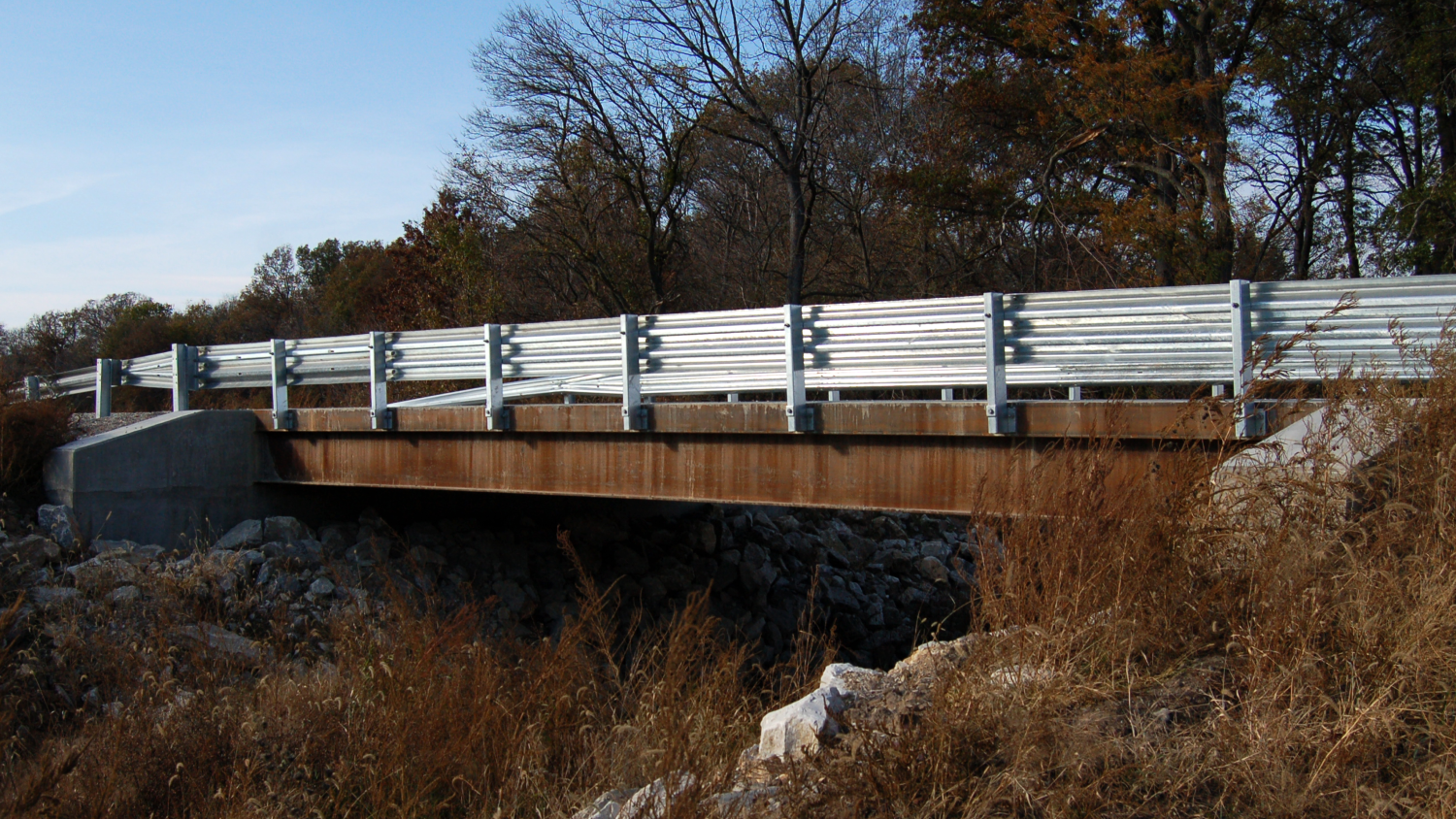
Steel for short span bridges is lighter than other materials and can provide a savings of up to 25% in total superstructure costs.
Structural steel mills also recycle nearly all of the water they use in a closed loop system. Less than 70 gallons of water is consumed in the production of one ton of structural steel.
Steel has a vital role in infrastructure through replacement and new construction of bridges, roadways, guiderails and utility structures.
Steel for short span bridges is lighter than other materials and can provide a savings of up to 25 percent in total superstructure costs, partially due to the fact that heavier equipment may not be needed to set the girders.
Steel can also be reused after a long service life — one county in Ohio saved $51,000 in superstructure costs by using repurposed beams that were removed from a previous steel bridge taken out of service.
Does steel provide a sustainable option for bridges?
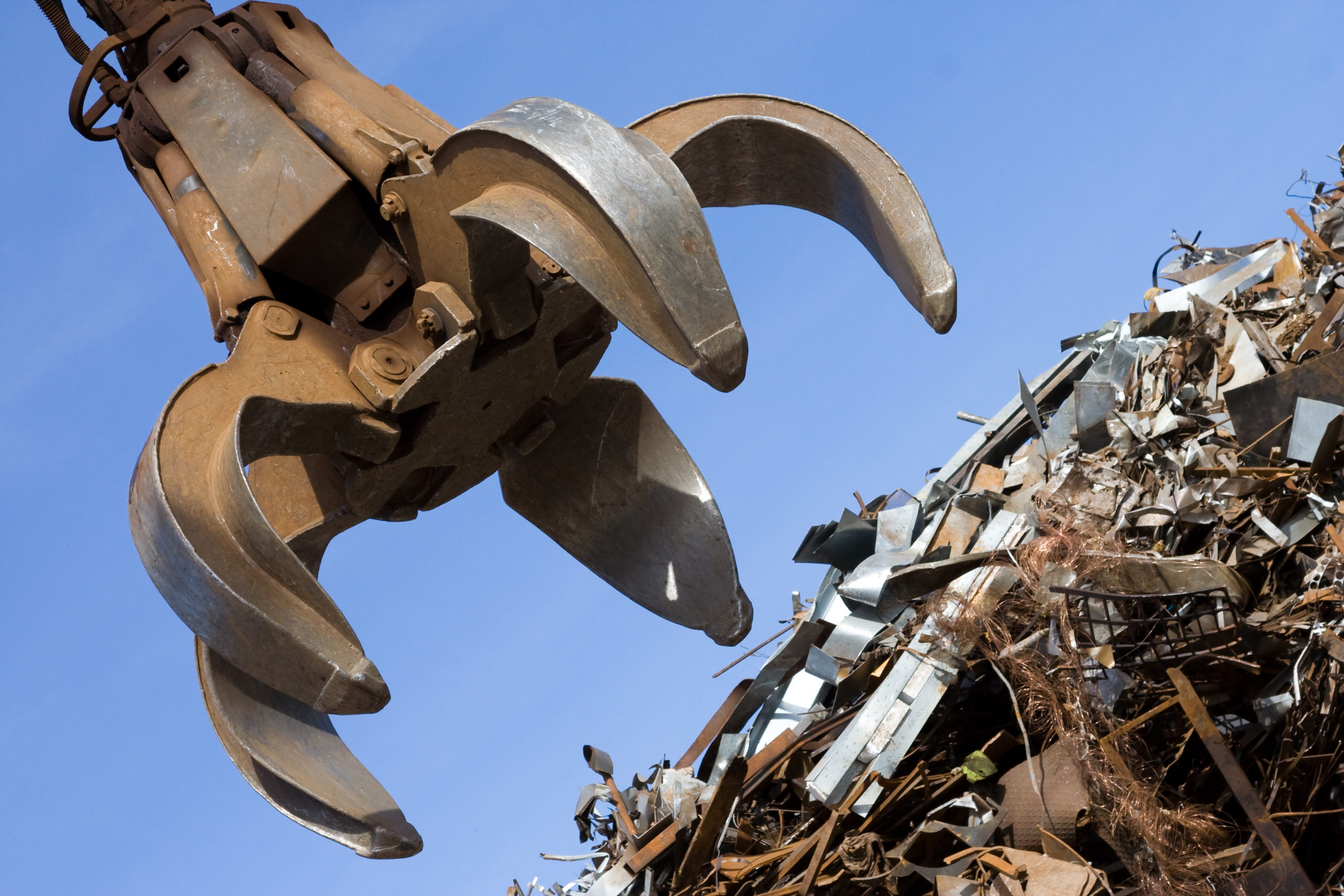
Steel is the most recycled material on the planet. Some of the sustainable advantages of steel include:
- Steel from a disassembled bridge can be used again for another project.
- Steel bridges can last 100 years or more, with minimal maintenance over their long service lives.
- The high strength of steel permits longer spans, which minimizes disruption to underlying habitats.
- Steel is highly resistant to extreme natural disasters such as earthquakes.
- The American steel industry has achieved a 31 percent reduction in energy intensity and a 36 percent reduction in greenhouse gas intensity since 1990.
 News
News
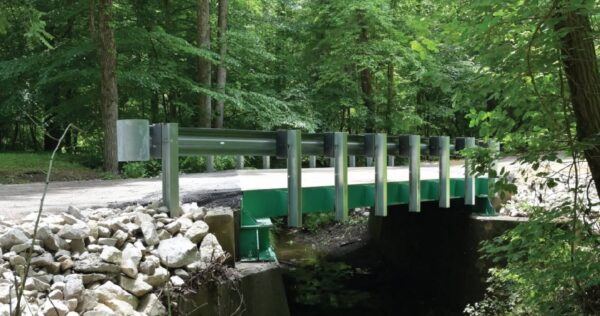
WV DOT Completes Fast-Track Bridge Project with Steel
WV DOT completed a fast-track bridge project using salvaged steel beams from a nearby overpass to restore a 20-foot bridge in West Virginia.
 Buried Bridge
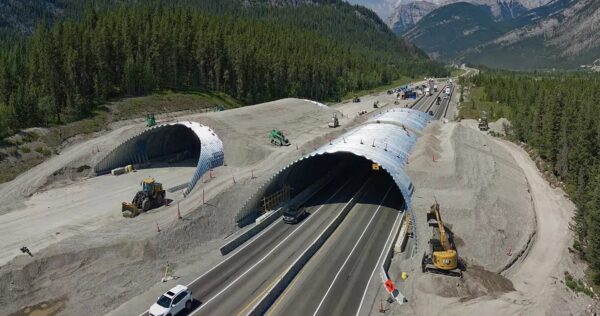
Corrugated Steel Animal Overpass Reduces Wildlife-Vehicle Collisions
The corrugated steel Stoney Nakoda Exshaw Wildlife Arch in Western Canada showcases the balance of engineering and environmental stewardship, setting a new standard for wildlife-friendly infrastructure.
 Sustainability
Steel Bridge Restores Fish Migration in Olympic National Forest
A new 70-foot steel bridge in the Olympic National Forest restores a vital fish passage, demonstrating steel’s durability and adaptability for environmentally sustainable infrastructure.
 Sustainability
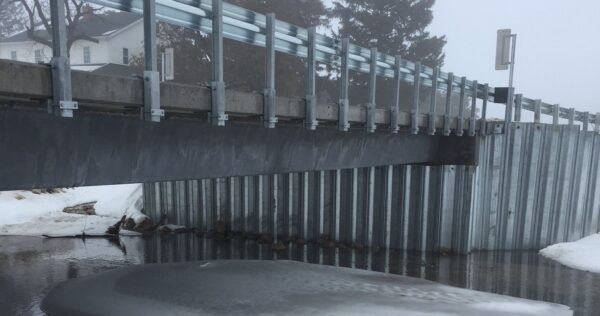
Infrastructure Week 2024 Recording: Preservation of Steel Bridges
In this webinar recording, industry experts discuss the most effective methods to preserve steel bridges.
 News
News
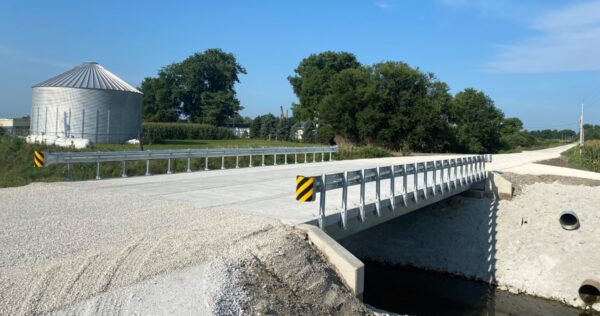
President Biden’s Administration Highlights Progress in Investing in Infrastructure
In 2021, Congress passed the Infrastructure Investment and Jobs Act, also known as the Bipartisan Infrastructure Law. The administration recently released a report highlighting the progress.
 Sustainability
Investing in Resilient Infrastructure Update
The U.S. continues to invest in resilient and sustainable infrastructure prepared to withstand the devastating effects of extreme weather and other catastrophic events.