 Short Span Steel Bridges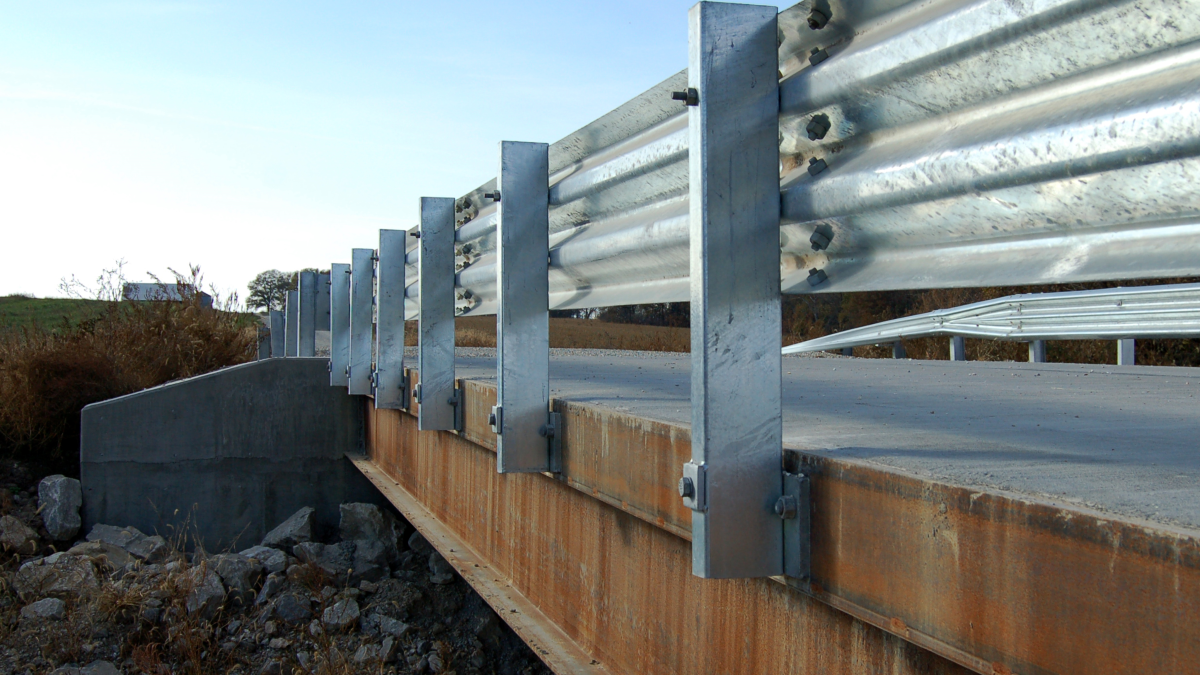
U.S. DOT Advances Infrastructure Projects with Expanded Regional Grants
Excerpts from U.S. Department of Transportation
The U.S. Department of Transportation announced another step forward in advancing critical transportation infrastructure projects across the United States by expanding the Regional Infrastructure Accelerators (RIA) program to 24 accelerators receiving $24 million in new funding from the Bipartisan Infrastructure Law.
Administered by the Build America Bureau, the RIA program accelerates project delivery and clears barriers for credit-worthy projects by funding and encouraging best practices in project planning, studies and analysis, preliminary engineering, and design.
“We are pleased to expand the Regional Infrastructure Accelerator program to 24 regions, helping communities build capacity and get much-needed transportation projects underway,” said U.S. Transportation Secretary Pete Buttigieg. “DOT partners with these regions to help them secure financing and develop in-house expertise for innovative delivery of regionally significant projects.”
“Building capacity at the regional level to use innovative delivery and financing options is critical to addressing America’s infrastructure challenges,” said Build America Bureau Executive Director Morteza Farajian, Ph.D. “The RIA program is a novel approach that enables the Bureau to help our partners deliver more good projects faster.”
The Fiscal Year 2023 Regional Infrastructure Accelerator awardees can be viewed on the U.S. Department of Transportation website.
Steel Bridges Accelerate Project Delivery
The RIA program will help accelerate project delivery across the United States. The steel industry is already working to accelerate project design, delivery and construction throughout the nation.
American steel mills and fabricators have the capacity to meet the current demand for steel and future demand expected from funding allocated through the Bipartisan Infrastructure Law.
Steel can compete and save costs when compared with nearly identical concrete structures due to its light weight and – in the case of short span bridges – by using smaller abutments, local crews and lighter equipment. Steel bridges can be designed with prefabricated elements which provide simpler installation and time savings.
In addition, steel is the best choice as a sustainable solution, since it is the world’s most recycled material and can be continuously recycled without losing its strength. And American steel is cleaner and more sustainable than steel made in other leading steel-producing countries.
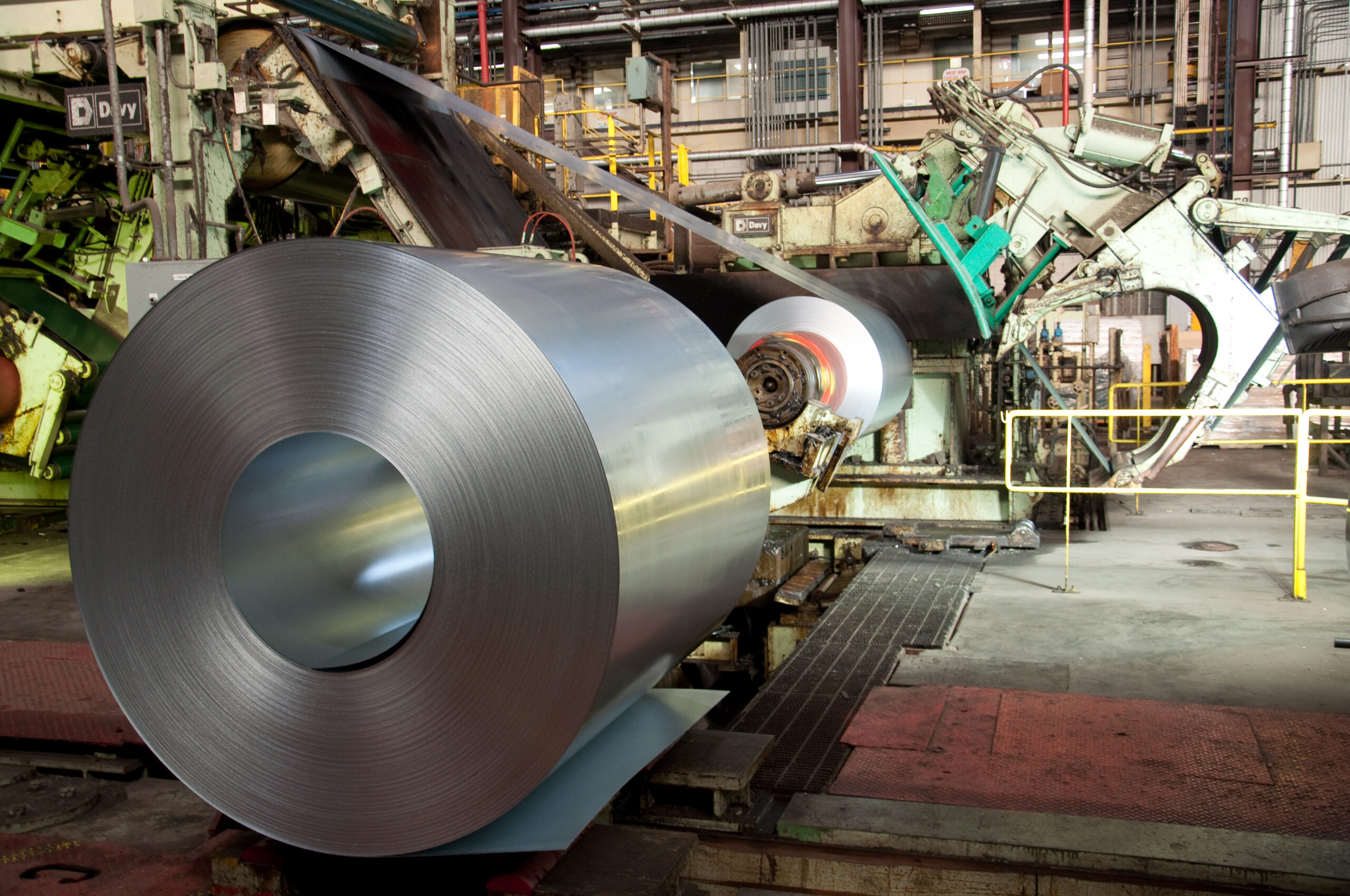
The American steel industry is the cleanest and most energy-efficient of the leading steel industries in the world.
Infrastructure Law Includes Incentive for Off-System Bridges
The Bipartisan Infrastructure Law also includes an incentive for states to direct the new Bridge Formula Program funds to off-system bridges owned by a county, city, town or other local agency.
While states generally must match federal funding with up to 20 percent state or local funding, the guidance issued notes that federal funds can be used for 100 percent of the cost of repairing or rehabilitating such locally owned off-system bridges.
There are a total of 281,184 off-system bridges in the United States, according to the National Association of Counties, defined as bridges that are located on a public road that are not part of the federal-aid highway system.
Clarence Anthony, National League of Cities CEO and executive director, said of off-system bridges, “This is simply amazing news for smaller rural communities, places that have been hit hard economically.”
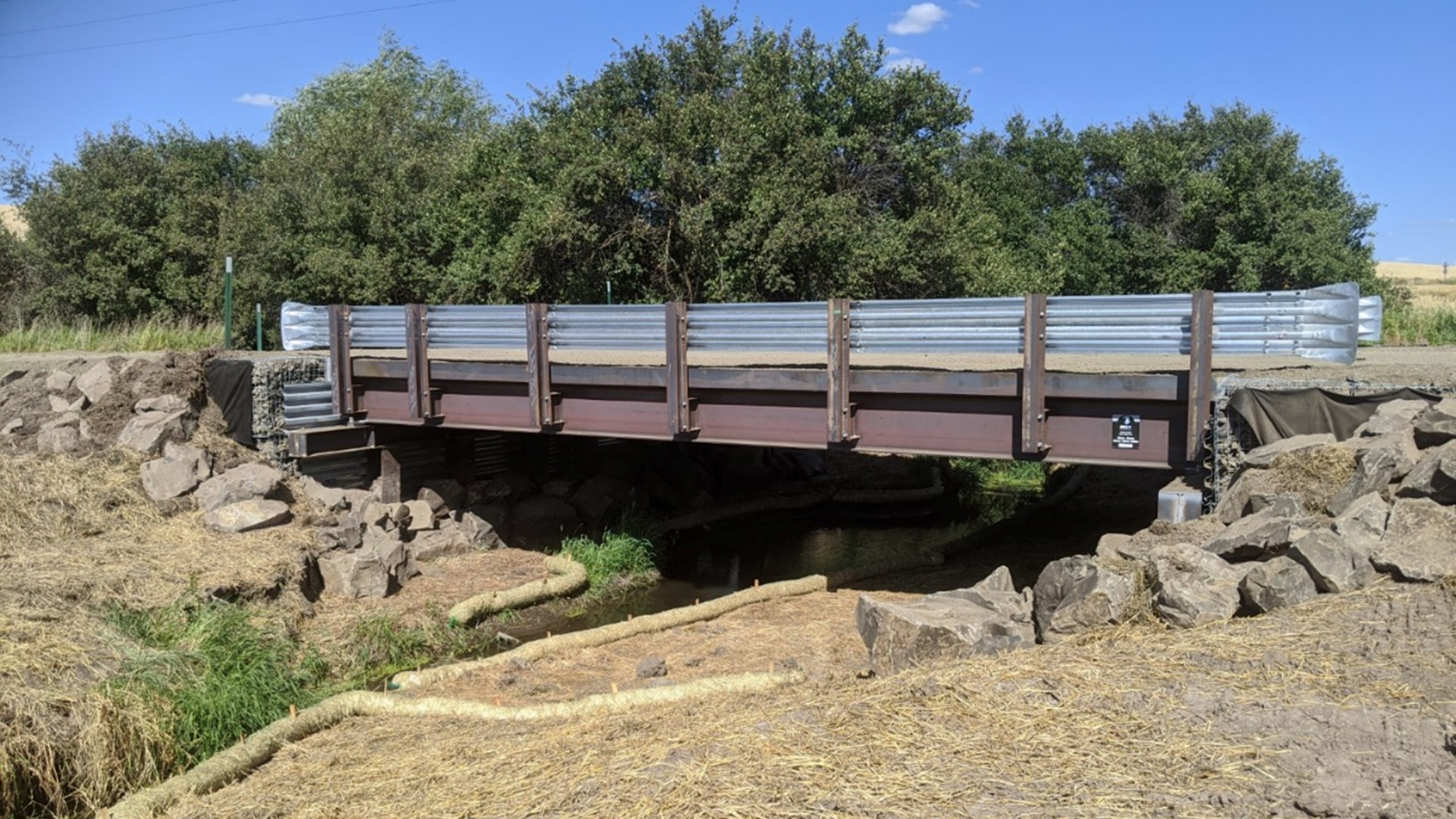
Whitman County, Washington, saved 32 percent over concrete by using a steel superstructure for this off system project.
Five Game-Changing County Steel Bridge Projects
Short span bridges provide vital links in the nation’s infrastructure network. Yet, more than 220,000 U.S. bridges, representing 36 percent of the national bridge inventory, need major repair work or should be replaced. Counties across the nation are developing innovative steel solutions to fix our county road systems.
These five county projects that are changing the way bridges are designed and constructed.
- Seltice-Warner Bridge (Whitman County, Washington)
- 200th Street Bridge (Buchanan County, Iowa)
- Cannelville Road Bridge (Muskingum County, Ohio)
- Jesup South Bridge (Buchanan County, Iowa)
- TR-251 Bridge (Champaign County, Illinois)
Learn more about the benefits of short span steel bridges for county projects.
 News
News
WV DOT Completes Fast-Track Bridge Project with Steel
WV DOT completed a fast-track bridge project using salvaged steel beams from a nearby overpass to restore a 20-foot bridge in West Virginia.
 Buried Bridge
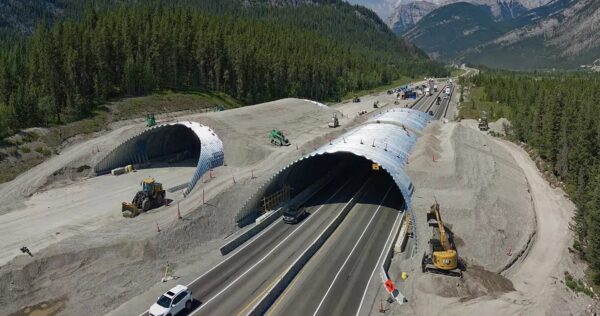
Corrugated Steel Animal Overpass Reduces Wildlife-Vehicle Collisions
The corrugated steel Stoney Nakoda Exshaw Wildlife Arch in Western Canada showcases the balance of engineering and environmental stewardship, setting a new standard for wildlife-friendly infrastructure.
 Sustainability
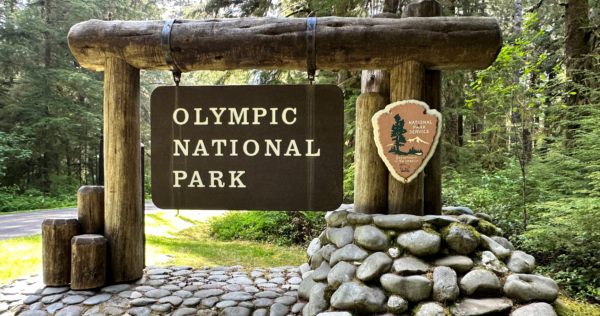
Steel Bridge Restores Fish Migration in Olympic National Forest
A new 70-foot steel bridge in the Olympic National Forest restores a vital fish passage, demonstrating steel’s durability and adaptability for environmentally sustainable infrastructure.