 Short Span Steel Bridges
Top 3 Reasons to Fall in Love With Hot-Dip Galvanizing
The following information and images were provided by the American Galvanizers Association (AGA).
Authored by Nina Tran
There is a lot to love about hot-dip galvanized (HDG) steel. The benefits of HDG include durability, longevity, availability, versatility, sustainability, and aesthetics.
However, galvanized steel’s sustainability, durability, and versatility perfectly summarize the top three reasons why the fan club for hot-dip galvanized steel is growing. The following is a list of resources we’ve compiled to help share the love and explain these characteristics.
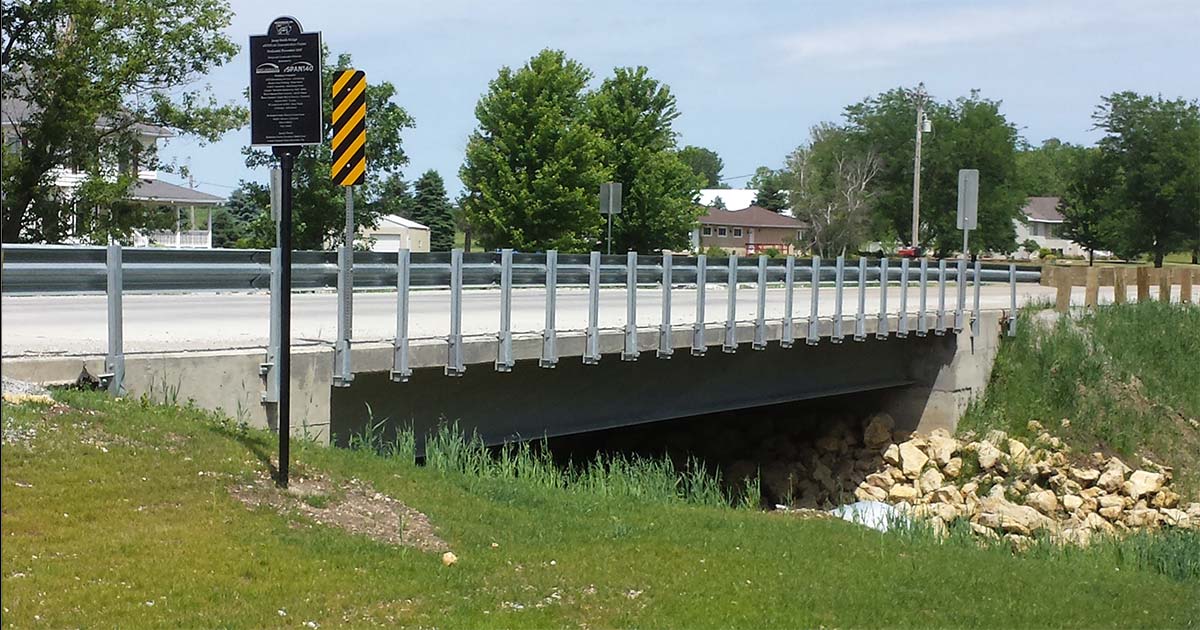
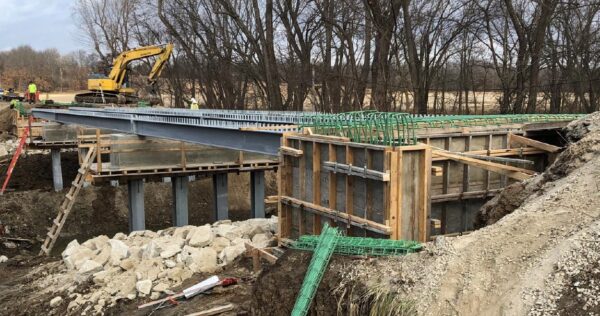
The Jesup South Bridge in Buchanan County, Iowa, featured the use of hot-dip galvanized steel.
1. Sustainability
- Summary – Short article overview of hot-dip galvanized steel’s sustainable aspects.
- Publication – Explains galvanized steel’s environmental, economic, and social advantages in a downloadable PDF format.
- Online Seminar – An online course on hot-dip galvanized steel’s sustainability. Eligible for continuing education credits (1.0 LU (HSW)/PDH).
- Environmental Advantages
- HDG Steel After-Fabrication Environmental Product Declaration (EPD) – Based on a life-cycle assessment (LCA). The EPD is a standardized way of quantifying the environmental impact of a product from cradle-to-gate. Available for download as a PDF.
- Economical Advantages
- Life-Cycle Cost Calculator – Uses specific project data to develop and compare the initial and life-cycle cost (initial + maintenance) of more than 30 steel corrosion protection systems (paint, metallizing) to hot-dip galvanizing and hot-dip galvanizing top-coated with paint (duplex system).
2. Durability
- Corrosion Resistance – A quick breakdown of hot-dip galvanizing’s three levels of corrosion protection.
- Time to First Maintenance (TFM) Chart – Developed from real-world data and a corrosion prediction model, the Zinc Coating Life Predictor (ZCLP). The time to first maintenance for galvanized steel is linear and directly related to the zinc coating thickness.
- Zinc Coating Life Predictor (ZCLP) – Using statistical methods, neural network technology, and an extensive worldwide corrosion database, the ZCLP application was developed to predict the life (and corrosion rate) of zinc coatings on steel based on various atmospheric inputs.
- Coating Properties – An article explaining the three main factors contributing to hot-dip galvanizing’s coating durability.
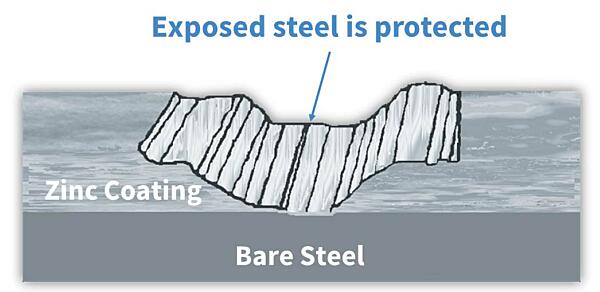
The zinc of the hot-dip galvanized coating will sacrifice itself to protect the underlying base steel until all the surrounding zinc is consumed.
3. Versatility
- Abundant, Efficient, & Safe – A summary of galvanized steel’s availability and versatility.
- Aesthetics – An article outlining galvanized steel’s captivating charm as it offers design flexibility, an attractive and natural gray finish, or a pop of color if desired with the help of paint or powder coating.
- Coating Appearance Guide/Videos
- Publication – A free, downloadable PDF describing initial appearance differences that may occur when hot-dip galvanizing steel.
- Video Series – A YouTube video series covering the various factors that can influence and impact galvanized steel’s appearance.
- Architecturally Exposed Structural Steel (AESS) Guide – A comprehensive PDF guide explaining how to use the AESS category systems developed by the American Institute of Steel Construction (AISC) and the Canadian Institute of Steel Construction (CISC) to facilitate communication to minimize the cost premium for achieving galvanized AESS. This guide also examines best practices to maximize hot-dip galvanizing appearance to achieve high-quality coatings when the necessary aesthetic requirements are clearly and directly communicated. Contains a table matrix guide and high-resolution sample photos.
- Painting/Powder Coating over HDG – Provides an overview of duplex-coated applications while detailing procedures for successful adhesion. Topics addressed include why hot-dip galvanized steel is painted/powder coated, benefits of duplex systems, pre-treating, surface preparation procedures, and recommendations for painting/powder coating new, partially weathered, and fully weathered surfaces.
- Coating Appearance Guide/Videos
Read the original article from the American Galvanizers Association.
Does steel provide a sustainable option for bridges?
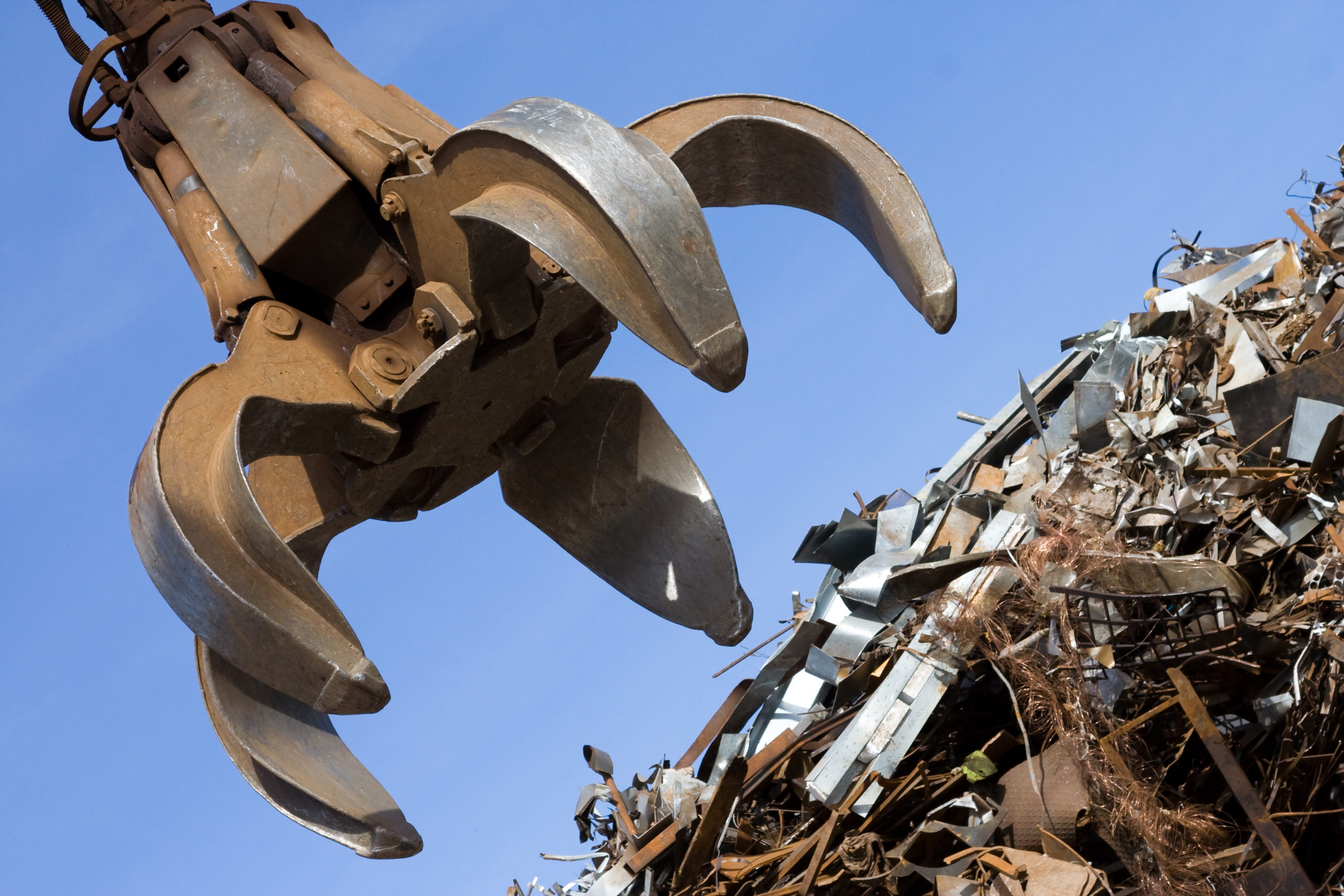
Steel is the most recycled material on the planet. Some of the sustainable advantages of steel include:
- Steel from a disassembled bridge can be used again for another project.
- Steel bridges can last 100 years or more, with minimal maintenance over their long service lives.
- The high strength of steel permits longer spans, which minimizes disruption to underlying habitats.
- Steel is highly resistant to extreme natural disasters such as earthquakes.
- The American steel industry has achieved a 31 percent reduction in energy intensity and a 36 percent reduction in greenhouse gas intensity since 1990.
 Events
Free Webinar: Galvanize It! Core Webinar (Aug. 26)
SSSBA member American Galvanizers Association’s Core Galvanize It! webinar provides an introduction to hot-dip galvanizing, covering the galvanizing process, zinc coatings, and key benefits such as corrosion resistance, durability, longevity, sustainability and life-cycle cost. The seminar is AIA and RCEP accredited for 1.0 LU/PDH.
 Durability & Coatings
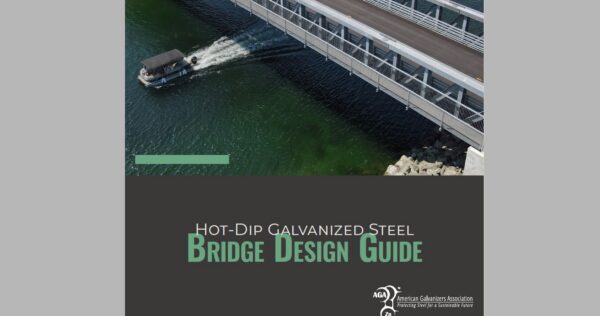
AGA Releases Guide for Hot-Dip Galvanized Steel Bridge Design
SSSBA member the American Galvanizers Association has released a new resource on hot-dip galvanized steel bridges, highlighting durable, low-maintenance solutions that support long service life.
 News
News
Missouri Steel Bridge Bundle Project Wins Prize Bridge Award
The National Steel Bridge Alliance (NSBA) named Missouri’s FARM Bridges Design/Build Bundle the 2026 Prize Bridge Award winner in the Short Span category. Fabricated by SSSBA member DeLong’s, the project delivered 31 rural bridges across 15 counties using galvanized steel and SDCL design for a 100-year service life.