 Short Span Steel Bridges
Facts About American Steel Sustainability
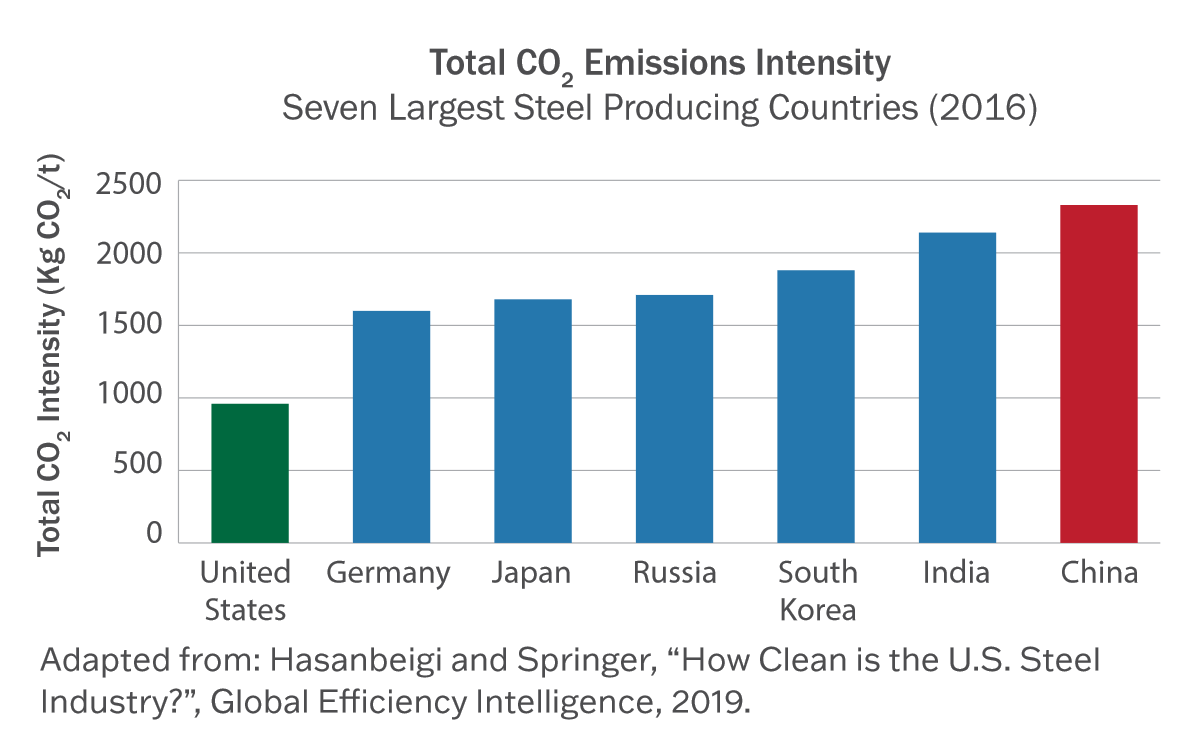
The American steel industry is the cleanest and most energy efficient of the leading steel industries in the world. This is due to the high percentage of steel made from recycling scrap to make new steel, and the use of domestically-sourced iron ore pellets, as well as the increasing use of natural gas in place of coal and coke to make iron and steel with lower emissions.
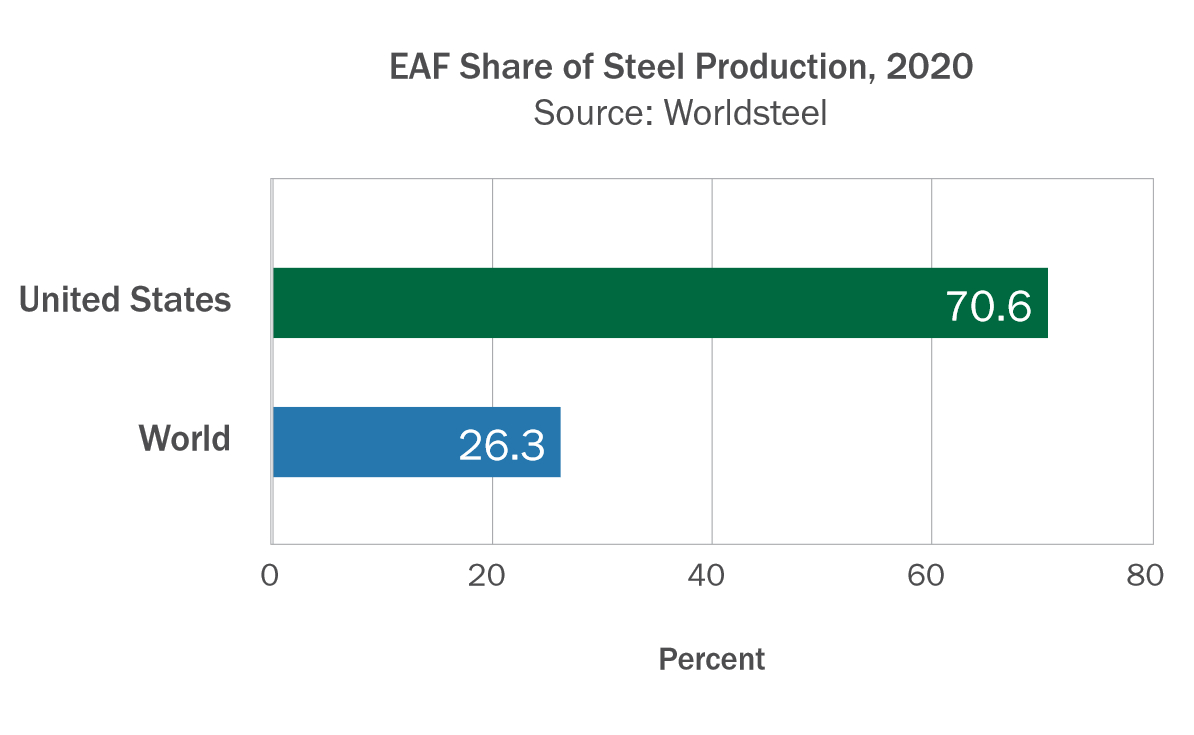
The United States produces a much higher portion of its steel from electric arc furnaces (EAFs) compared to global competitors, resulting in lower emissions of CO2 from steelmaking.
Credit: American Iron and Steel Institute
In 2020, 70.6 percent of U.S. steel making came from EAFs, compared to 26.3 percent worldwide. Integrated steel mills in the United States are almost entirely fed by domestically sourced iron ore pellets vs. sintered ore used in China and elsewhere. The use of pelletized iron results in significantly lower emissions of CO2, as well as lower emissions of NOx, SO2 and particulate matter.
The energy mix in the United States is also cleaner than in other steel producing locations in the world, with much more reliance on natural gas and renewable energy and this cleaner energy helps provide the cleanest steel.
Current sustainability advancements in domestic steel production include using direct reduced iron (DRI) and hot briquetted iron (HBI) in both integrated and electric arc furnace (EAF) steelmaking. HBI and DRI use natural gas as a reductant and reduce CO2 emissions vs. pig iron.
Credit: American Iron and Steel Institute
Steel producers in the U.S. have announced specific projects that employ renewable energy to supply all or most of a facility’s energy requirements. Additional research is underway to assess the use of carbon capture technology in the steelmaking process.
Some steel facilities are also designed with the ability to easily switch between natural gas and hydrogen. More than half of the electricity used at the mines in Minnesota which supply iron ore pellets to integrated steelmakers comes from renewable energy sources.
To learn more about the sustainability of the American steel industry, download Facts About American Steel Sustainability or go to www.steel.org/sustainability
Additional Sustainability Blog Posts:
- What is a Sustainable Bridge? (read now)
- Extending the Life of a Steel Bridge: 100 Years and Beyond (read now)
- Overview of Green Bridge Rating Systems (read now)
- The Rehabilitation and Repair of Steel Bridges (read now)
- The American Steel Industry: Meeting the Global Demand for a Sustainable Infrastructure and Educated Workforce (read now)
Does steel provide a sustainable option for bridges?
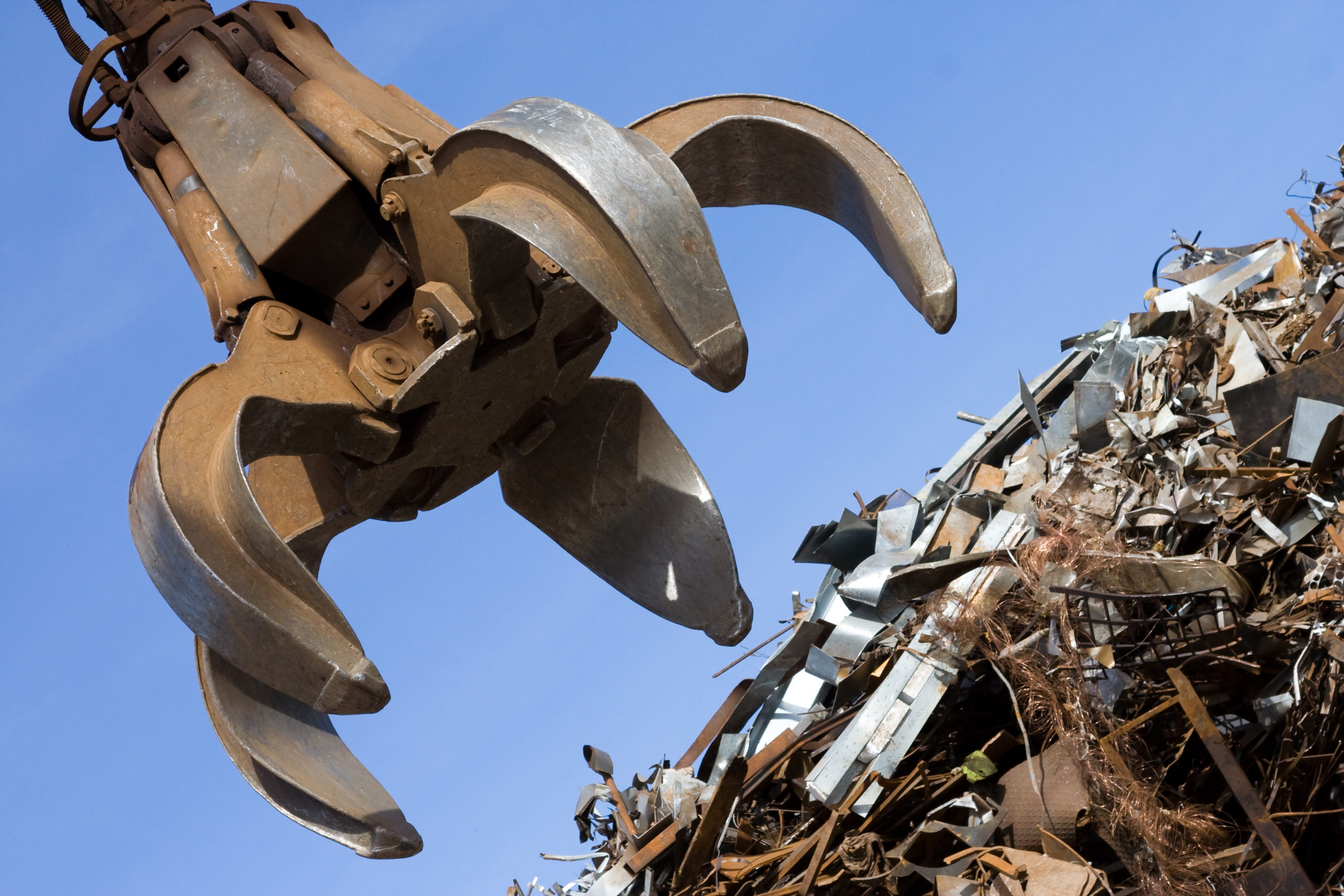
Steel is the most recycled material on the planet. Some of the sustainable advantages of steel include:
- Steel from a disassembled bridge can be used again for another project.
- Steel bridges can last 100 years or more, with minimal maintenance over their long service lives.
- The high strength of steel permits longer spans, which minimizes disruption to underlying habitats.
- Steel is highly resistant to extreme natural disasters such as earthquakes.
- The American steel industry has achieved a 31 percent reduction in energy intensity and a 36 percent reduction in greenhouse gas intensity since 1990.
 News
News
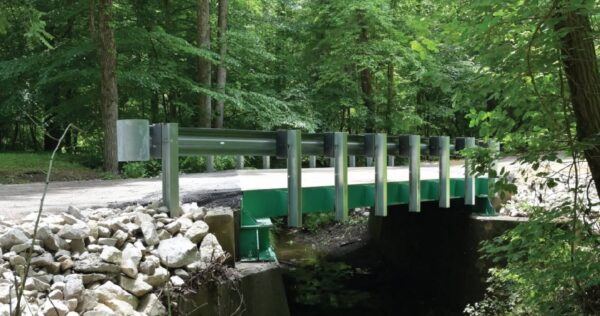
WV DOT Completes Fast-Track Bridge Project with Steel
WV DOT completed a fast-track bridge project using salvaged steel beams from a nearby overpass to restore a 20-foot bridge in West Virginia.
 Buried Bridge
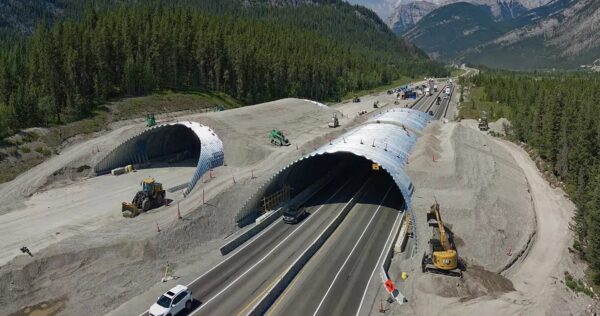
Corrugated Steel Animal Overpass Reduces Wildlife-Vehicle Collisions
The corrugated steel Stoney Nakoda Exshaw Wildlife Arch in Western Canada showcases the balance of engineering and environmental stewardship, setting a new standard for wildlife-friendly infrastructure.
 Sustainability
Steel Bridge Restores Fish Migration in Olympic National Forest
A new 70-foot steel bridge in the Olympic National Forest restores a vital fish passage, demonstrating steel’s durability and adaptability for environmentally sustainable infrastructure.