 Short Span Steel Bridges
FHWA Seeks Grant Applications for Local Innovative Solutions
The following excerpt provided by the U.S. Department of Transportation.
Build a Better Mousetrap celebrates innovative solutions for challenges that local and tribal transportation workers encounter. These innovations can range from the development of tools and equipment modifications to the implementation of new processes that increase safety, reduce cost, and improve efficiency of our transportation system.
We are accepting nominations for 2024 Build a Better Mousetrap National Competition.
For complete information, download PDF.
Contact your State’s LTAP Center for more information.
HOW DOES THE BUILD A BETTER MOUSETRAP WORK?
* ‘Centers’ refers to Local Technical Assistance Program Centers (LTAP).
- Centers solicit their own nominations within their state.
- Centers select nominations they would like to move forward. Multiple nominations in multiple categories may be submitted.
- Centers submit their nominations to the Build a Better Mousetrap at CLAS@DOT.GOV under one of four categories:
- Innovative Project– Any solution that addresses any or all phase(s) of the ‘project’ life cycle – Planning, Design/Engineering, Construction, Operations and Maintenance. This project shall introduce new ideas, is locally relevant, original, and creative in thinking.
- Bold Steps– Any locally relevant high-risk project or process showing a break-through solution with demonstrated high-reward.
- Smart Transformation– A locally relevant significant change in any transportation activity or process that is SMART “Specific, Measurable, Achievable, Realistic and Time-bound” in nature that results in improved efficiencies.
- Pioneer– A locally relevant product/tool that is among the first to solve a maintenance problem with a home-grown solution.
HOW ARE THE HONOREES SELECTED?
In each category, we are looking for original, innovative projects that provide long-term value to the transportation community.
In making the selections, the following criteria are considered:
- recognized importance/ impact;
- originality;
- applicability to others;
- cost effectiveness;
- time savings;
- agency or community benefit;
- and the overall quality of the application.
- For additional guidance on submitting your nominations, please download the Build a Better Mousetrap Booklet.
Previous Winners
Click here to see the 2023 winners.
Read about the 2023 Build a Better Mousetrap winners at this link.
How Can the SSSBA Help?
The Short Span Steel Bridge Alliance (SSSBA) provides vital connections with industry stakeholders throughout the national infrastructure network. The SSSBA has developed technical and design innovations for bridges under 140 feet that save significant time and costs for county and state bridge officials.
The SSSBA offers complimentary customized educational guest speakers/webinars and workshops (on-site or virtual) specifically for county engineers, state Departments of Transportation (DOTs) and design firms. The workshops are taught by industry experts with decades of experience in the cost-effective design and construction of short span bridges.
Past workshop presentation topics include:
- Practical and Cost-Effective Steel Bridge Design
- Free Design Tools (eSPAN140 and SIMON)
- Pre-engineered Bridge Solutions
- Coating Solutions (galvanized, painted, and weathering steel)
- Innovative/Accelerated Bridge Construction Options
- Case Studies (from local counties)
- Buried Soil Steel Bridge Structure Alternatives
- Life-Cycle Analysis
For more information, please visit this link. To customize a workshop for your organization, please contact:
- Dustin Young (Director of the SSSBA) at dyoung@steel.org or 412-580-1492.
Does steel provide a sustainable option for bridges?
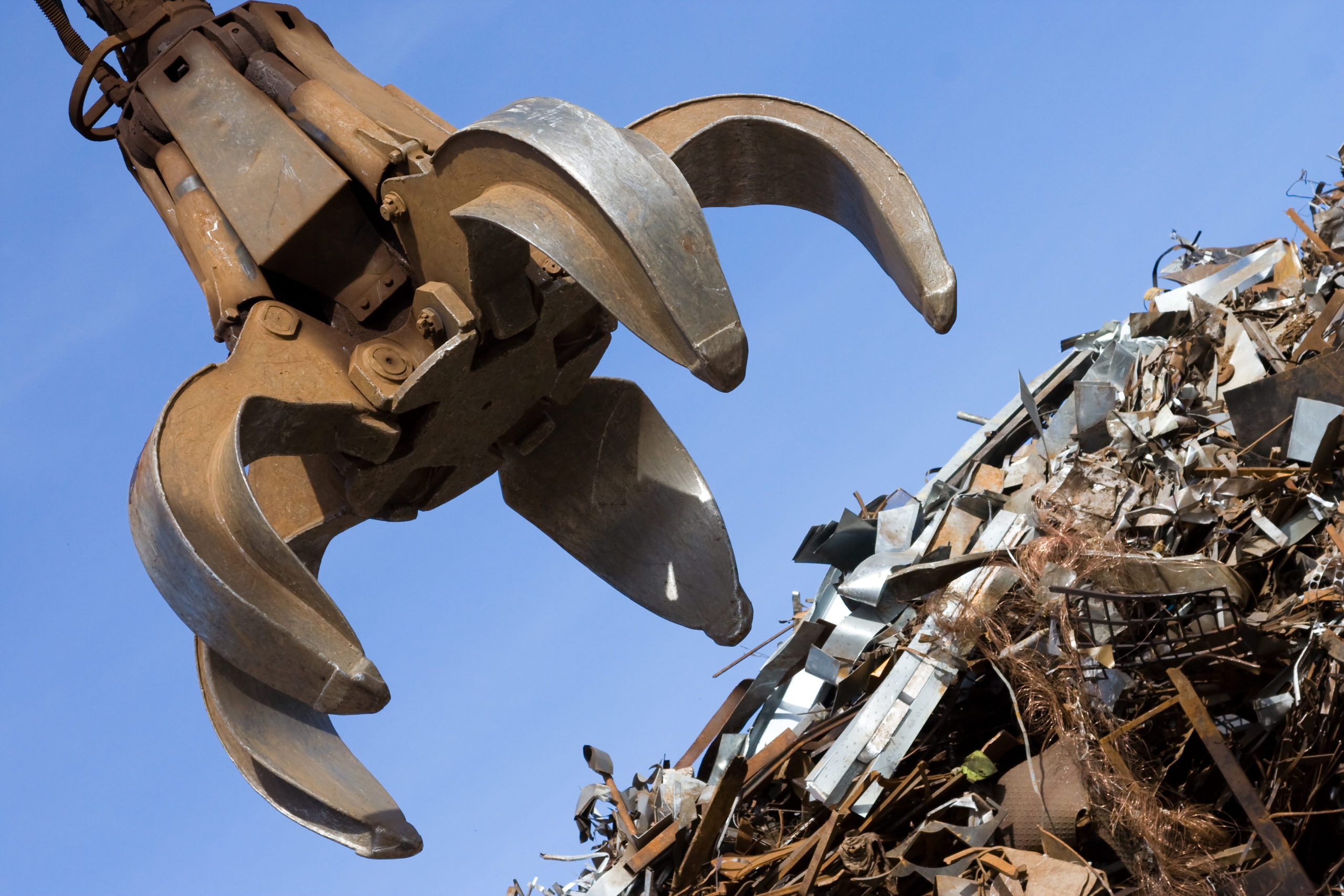
Steel is the most recycled material on the planet. Some of the sustainable advantages of steel include:
- Steel from a disassembled bridge can be used again for another project.
- Steel bridges can last 100 years or more, with minimal maintenance over their long service lives.
- The high strength of steel permits longer spans, which minimizes disruption to underlying habitats.
- Steel is highly resistant to extreme natural disasters such as earthquakes.
- The American steel industry has achieved a 31 percent reduction in energy intensity and a 36 percent reduction in greenhouse gas intensity since 1990.
 Buried Bridge
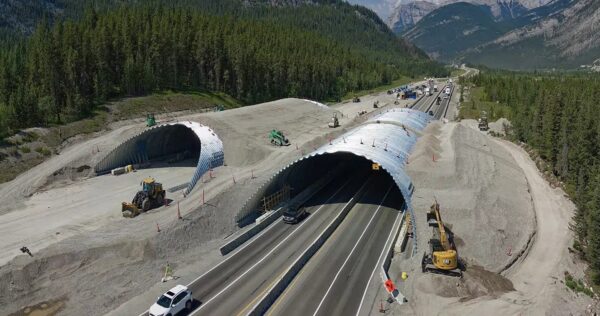
Corrugated Steel Animal Overpass Reduces Wildlife-Vehicle Collisions
The corrugated steel Stoney Nakoda Exshaw Wildlife Arch in Western Canada showcases the balance of engineering and environmental stewardship, setting a new standard for wildlife-friendly infrastructure.
 Sustainability
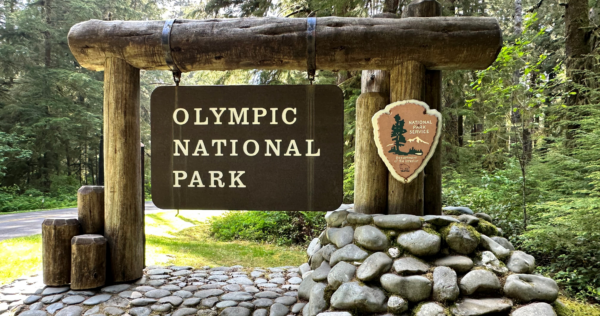
Steel Bridge Restores Fish Migration in Olympic National Forest
A new 70-foot steel bridge in the Olympic National Forest restores a vital fish passage, demonstrating steel’s durability and adaptability for environmentally sustainable infrastructure.
 Sustainability
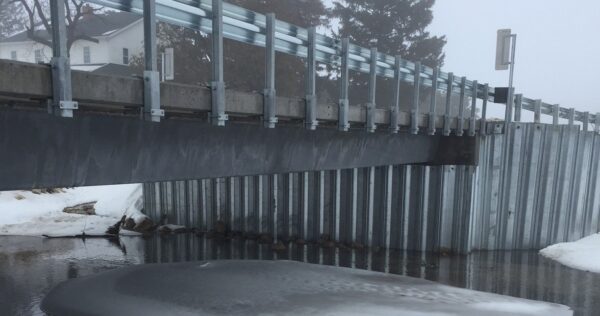
Infrastructure Week 2024 Recording: Preservation of Steel Bridges
In this webinar recording, industry experts discuss the most effective methods to preserve steel bridges.